

A Rover's First Look
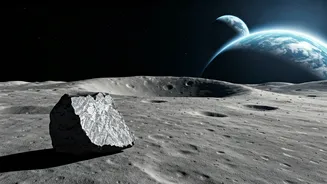
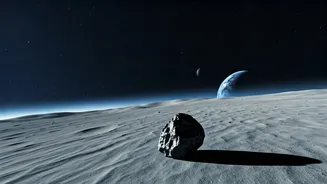
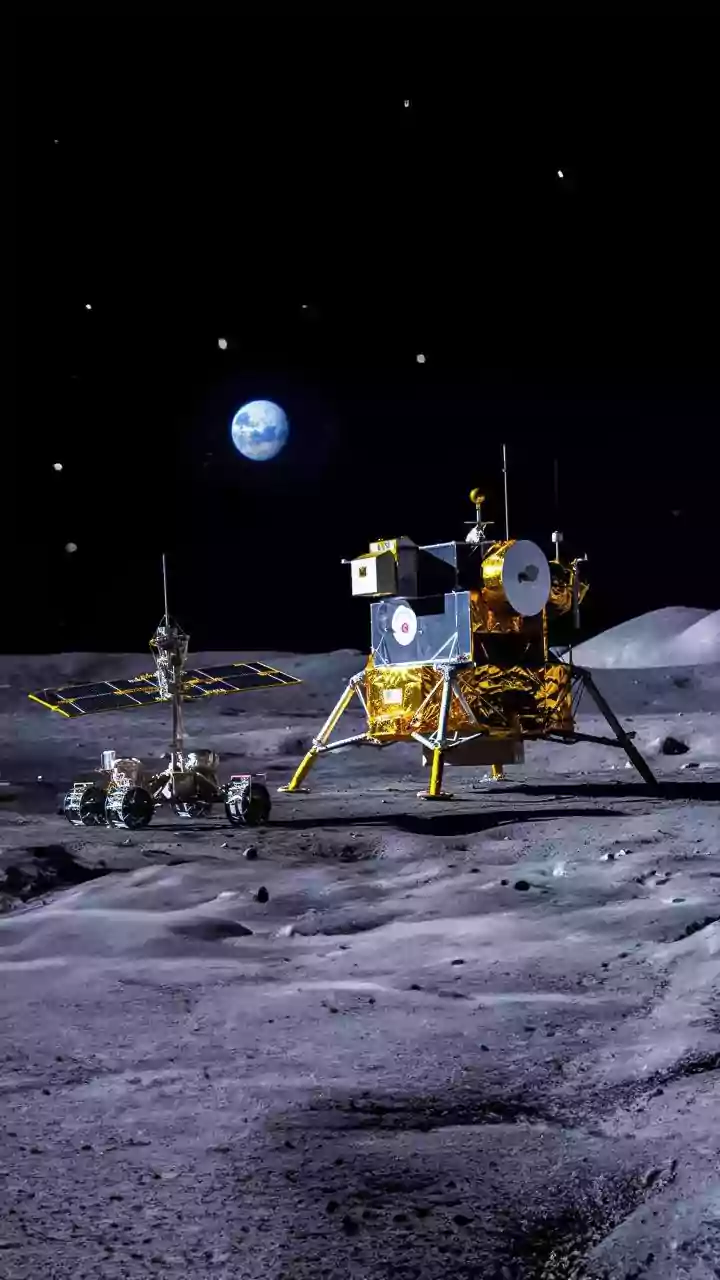
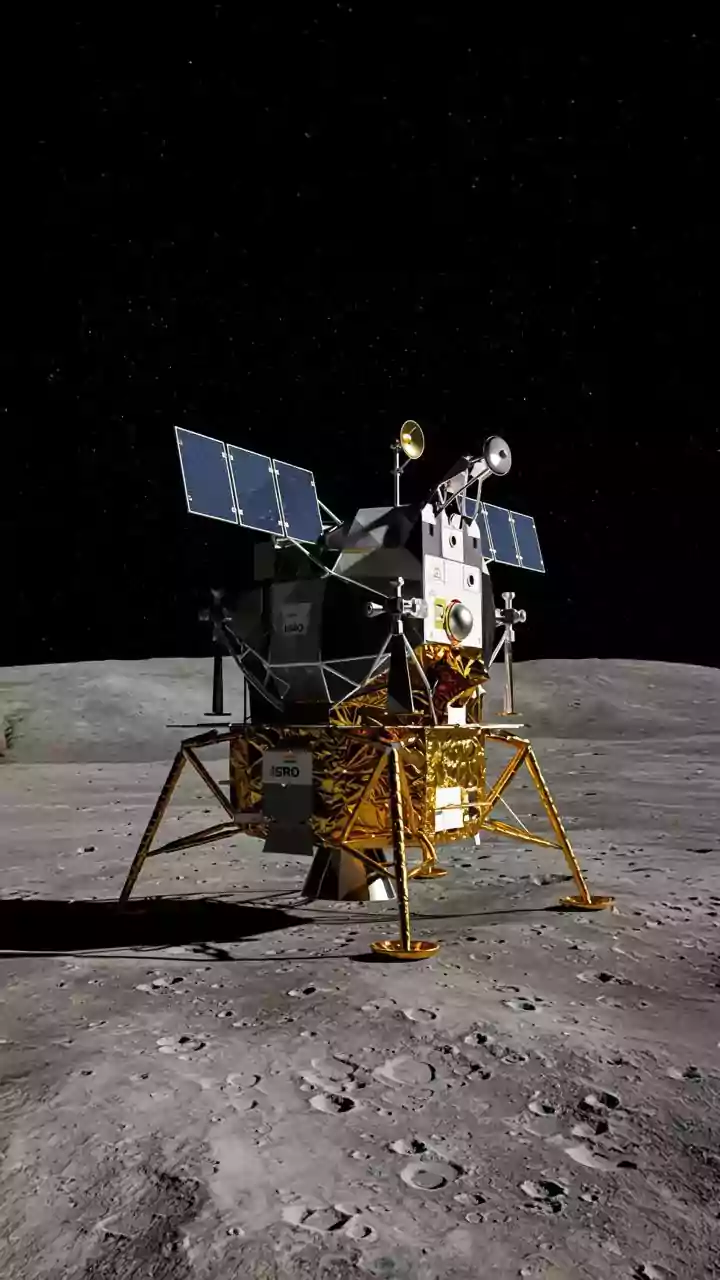
The star of this story is the Pragyan rover, a six-wheeled, solar-powered explorer deployed by the Chandrayaan-3 lander. Roughly the size of a carry-on suitcase, its job was to venture out and analyze the lunar regolith—the layer of dust, soil, and broken
rock covering the Moon. Onboard was a sophisticated instrument called an Alpha Particle X-ray Spectrometer (APXS). Think of it as a geologist's magic wand; by bombarding the soil with alpha particles and X-rays, it can determine the elemental composition of the material without having to bring it back to Earth. As Pragyan roamed the landing site, dubbed 'Shiv Shakti Point,' its APXS instrument got to work analyzing the loose surface material. The data streamed back to scientists at the Physical Research Laboratory (PRL) in Ahmedabad, India. They found the expected lunar elements—silicon, aluminum, calcium, iron—but the specific ratios and concentrations hinted at something unusual. The soil wasn't just typical lunar crust. It contained evidence of something that had come from somewhere else entirely.
The Antarctic Connection Explained
Here's where Antarctica enters the picture. The pristine, icy landscape of the Antarctic continent is one of the best places on Earth to find meteorites. The dark rocks stand out starkly against the white ice, and the cold, dry environment preserves them for thousands of years. Over decades, scientists have collected a vast library of these cosmic visitors.
Among the rarest and most intriguing are the Eucrites. These are a specific type of stony meteorite believed to have been violently ejected from the surface of Vesta, the second-largest asteroid in our solar system. When Indian scientists compared the chemical makeup of the soil at Shiv Shakti Point to their databases, they found a stunning match. The lunar soil's composition was remarkably similar to that of the Eucrite meteorites recovered from Antarctica and other locations on Earth. This wasn't a physical piece of rock from Antarctica on the Moon; it was a shared chemical identity, a clue connecting the lunar surface to a well-studied class of meteorites.
A Cosmic Crime Scene
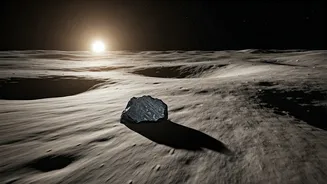
So, how did material from an asteroid end up on the Moon? The most likely explanation is a spectacular cosmic collision. Billions of years ago, a massive impact likely struck the asteroid Vesta, blasting fragments of its crust out into space. Some of these fragments fell to Earth over millennia, becoming the Eucrite meteorites we find in places like Antarctica. This new discovery suggests that another one of those fragments smashed into the Moon, pulverizing on impact and mixing its debris with the native lunar soil.
The Moon, lacking a thick atmosphere or weather, is an excellent preserver of such events. Unlike on Earth, where erosion and tectonic activity would have long since erased the evidence, the Moon’s surface acts as a celestial scrapbook. The Chandrayaan-3 landing site, therefore, isn't just a patch of lunar ground; it's a cosmic crime scene, holding the remnants of an ancient impact from a different world.
Why This Finding Is a Big Deal
This discovery does more than just solve a planetary puzzle. It fundamentally enhances the value of robotic exploration. It proves that landers and rovers can perform complex geological science on the spot, identifying materials that tell a story about the solar system's chaotic past. For future lunar missions, including NASA's Artemis program which aims to return humans to the Moon, this is critical information.
Knowing what the lunar surface is made of is essential for everything from building habitats to extracting resources like water ice and oxygen. This finding reinforces that the Moon isn't a monolithic, uniform body. Instead, its surface is a complex mosaic of its own geology mixed with debris from countless asteroid and comet impacts over eons. Each new landing site offers a chance to read another page from the solar system's history book, and Pragyan just found a fascinating chapter.