




The Economic Rocket Fuel
At the heart of this travel explosion is simple economics. India is the world's fastest-growing major economy, and this growth is creating a vast, aspirational middle and upper-middle class. With rising disposable incomes, international travel is shifting
from a once-in-a-lifetime dream to an annual reality for millions. Unlike the 'revenge travel' that defined the immediate post-pandemic period in the West, this trend is built on more sustainable fundamentals. It’s not just about pent-up demand; it's about newly acquired capacity. For a growing number of Indian families, the choice is no longer between buying a new car or taking a vacation, but which country to visit next. This financial empowerment is the primary engine, giving tens of millions the means to explore the world for the first time.
From 'No Flights' to 'Nonstop'
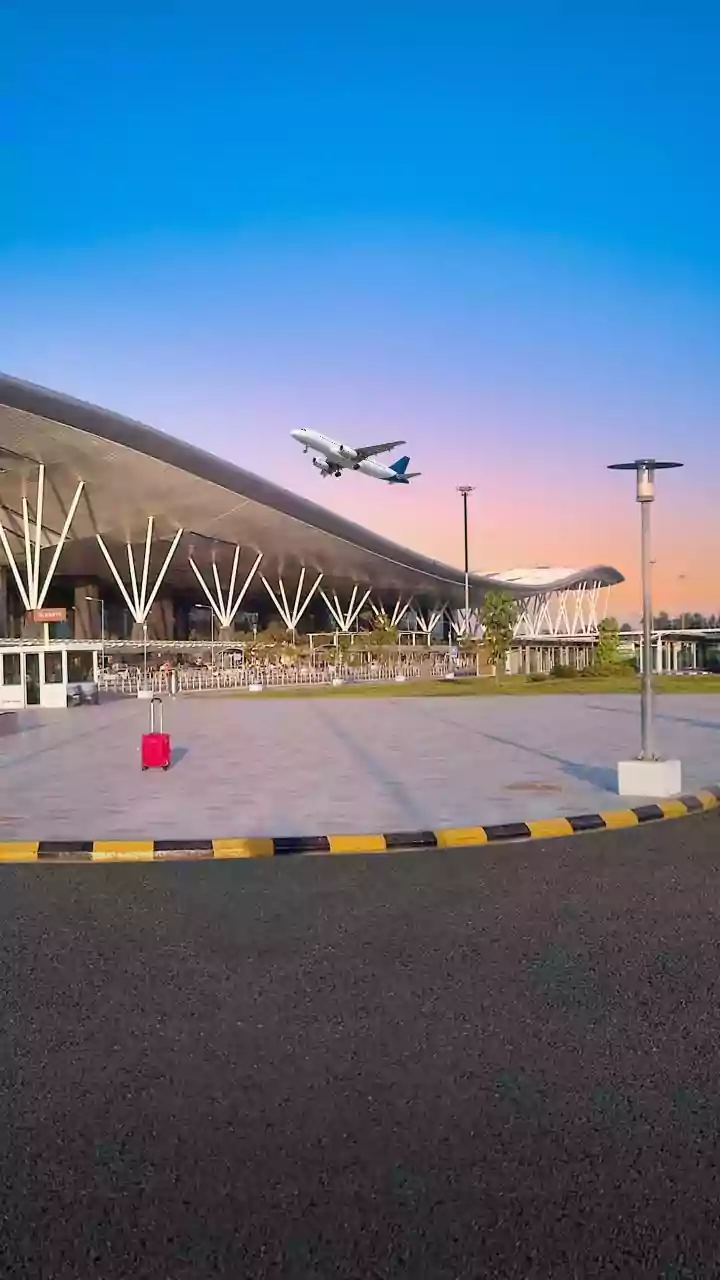
For decades, a major hurdle for Indian travelers was poor flight connectivity. Getting to the U.S. or Europe often meant inconvenient, multi-stop journeys. That's changed dramatically. Indian carriers like IndiGo and Air India are on an aggressive international expansion, adding dozens of new routes. Simultaneously, global giants like United, Emirates, and Singapore Airlines are increasing their capacity to Indian cities, recognizing the lucrative, fast-growing market. The result is a web of direct, nonstop flights connecting India's major hubs to destinations across the globe. This increased competition doesn't just make travel more convenient; it also helps drive down fares, making international trips more accessible than ever before.
The Passport and the Visa
Two of the biggest bureaucratic roadblocks to travel—getting a passport and securing a visa—are becoming significantly smaller hurdles. The Indian government has streamlined its passport issuance process, putting the document in the hands of more citizens at a record pace. More importantly, countries are actively courting Indian tourists by simplifying their visa policies. Destinations across Asia, the Middle East, and even parts of Europe now offer e-visas, visa-on-arrival, or completely visa-free travel for Indian passport holders. While getting a visa for the U.S. or the U.K. can still be a lengthy process, the sheer number of attractive, easy-to-access alternatives means that the world has opened up in a way that was unimaginable just a decade ago. Every country that simplifies its visa process taps directly into this eager market.
The 'Instagram Effect' and Experience Economy
The final piece of the puzzle is a profound cultural shift. For a younger generation of Indians, the ultimate status symbol is no longer a luxury good but a well-traveled passport. Social media plays an enormous role here; feeds filled with friends' trips to Bali, Paris, and New York create a powerful sense of FOMO (fear of missing out) and aspiration. Travel is now seen as an essential part of a modern, successful life. This 'experience economy' mindset means that young professionals and families are prioritizing spending on memories over materials. They are seeking diverse experiences, from adventure sports in New Zealand to culinary tours in Italy, and they are willing to spend to get them. This isn't just tourism; it's a form of self-expression and social currency.