



The New Himalayan Playlist
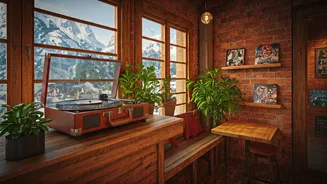
Step into any of the dozens of aesthetic cafes lining the cobblestone lanes of Old Manali, and the vibe is unmistakable. The air, once thick with the scent of incense and patchouli, now carries the aroma of freshly ground espresso and wood-fired pizza.
And the sound? It’s no longer the sitar-laced trance music of a bygone backpacker era. Instead, you’ll hear the mellow guitar strums of artists like Prateek Kuhad and The Local Train, seamlessly blended with Western counterparts like The Lumineers or Bon Iver. Young travelers, a mix of international tourists and urban Indians escaping the city heat, tap away on laptops, frame the perfect Instagram shot of their avocado toast against a mountain backdrop, and nod along to the beat. This isn't your parents' hippie trail; it’s a meticulously curated, Wi-Fi-enabled mountain experience, and this is its official soundtrack.
From Backpacker Haven to Millennial Hotspot
What’s driving this transformation? Manali, long a beloved stop for grizzled mountaineers and budget backpackers on the 'hummus trail,' has been rediscovered. The explosion isn’t just about numbers; it's about demographics. The rise of remote work in India has fueled a 'work-from-mountains' culture, bringing a wave of young professionals with disposable income and urban tastes. They aren't looking for a rugged, off-grid escape. They want comfort, connectivity, and the kind of cultural signifiers they enjoy back in Mumbai or Bangalore. The cafes, with their exposed brick, fairy lights, and familiar indie playlists, are a direct response to this demand. They offer a slice of cosmopolitan cool at 6,700 feet, transforming a rustic outpost into a hip, accessible getaway. The “exploding” June crowds are a testament to its success, as families and young groups flock here for their summer vacation, seeking an experience that feels both adventurous and comfortably familiar.
A Tale of Two Manalis
This evolution has created a distinct split. Old Manali, once the quieter, more bohemian alternative, is now the epicenter of this new cafe culture. Its narrow lanes are a constant thrum of activity, with chic guesthouses and boutique shops cropping up between an ever-growing number of eateries. Meanwhile, the main Manali Bazaar, just down the road, retains a more traditional, chaotic energy—a bustling hub of local commerce, budget hotels, and Tibetan market stalls. For travelers seeking a quieter escape, the quest for tranquility now pushes them further afield, into surrounding villages like Vashisht or Naggar. This divergence highlights the core tension in modern travel: as a destination becomes more popular and polished, the very 'authenticity' that first drew people in becomes harder to find, pushed to the geographical and cultural margins.
The Search for an Unfiltered Experience
For the American or European traveler who might have come to India chasing a romanticized vision of spiritual discovery or rugged adventure, this new Manali can be jarring. The experience can feel less like stumbling upon a hidden gem and more like visiting a mountain-themed extension of a trendy city neighborhood. The indie beats, while pleasant, represent a form of cultural globalization that can feel inescapable. Yet, this shift isn't inherently a loss. It’s an evolution. The new cafe scene is authentic to the generation that created it and flocks to it. It’s a reflection of modern India—aspirational, connected, and creating its own definition of what a mountain escape should be. The challenge for today's traveler is to look past the familiar playlist and see the layers of change, appreciating the town for what it is now, not just what it once was.