
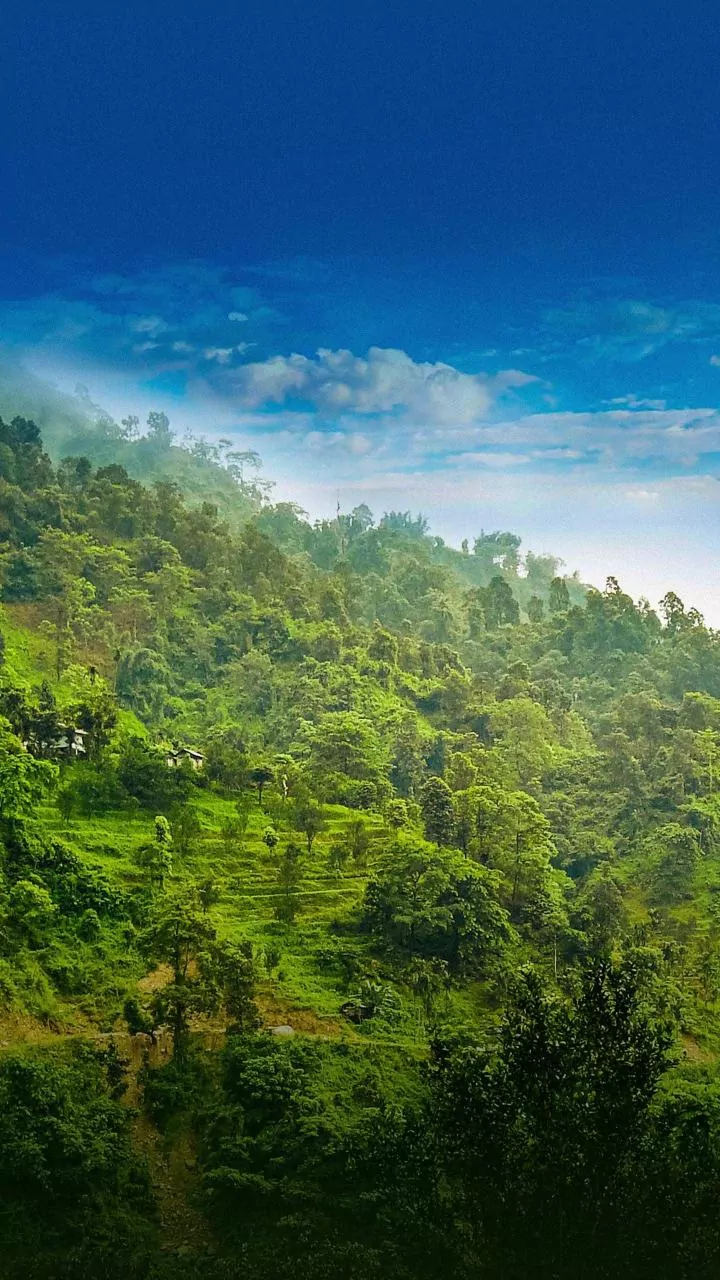


The Great Himalayan Rain Shadow
For travelers planning a summer trip to South Asia, the word 'monsoon' can be a deal-breaker. From June to September, heavy rains and high humidity wash over most of the Indian subcontinent, turning scenic treks into muddy slogs and beach days into indoor
retreats. But there’s a geographical loophole, and it’s called Ladakh. This remote region in northern India is shielded by the immense Himalayan range, which blocks the moisture-laden monsoon clouds from ever reaching it. The result is a high-altitude cold desert that experiences its peak tourist season—marked by warm, sunny days and jaw-droppingly clear nights—at the very moment the rest of the country is under a deluge. Instead of packing a rain jacket, you’ll be reaching for sunglasses and sunscreen.
Landscapes from Another Planet
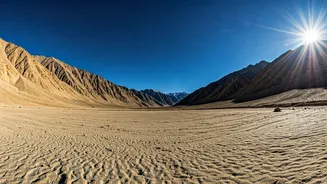
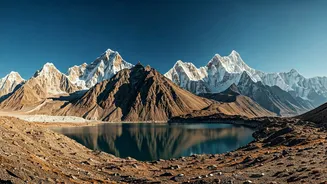
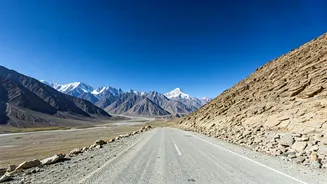
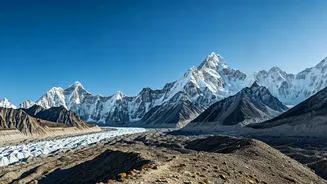
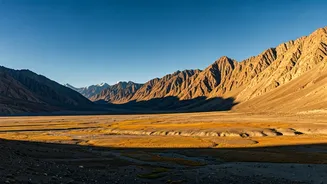
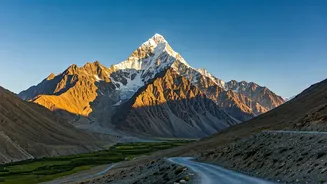
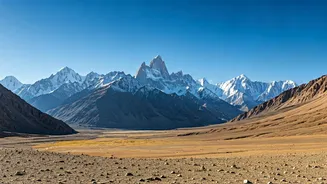
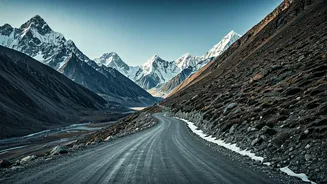
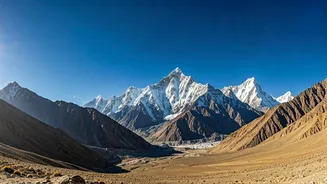
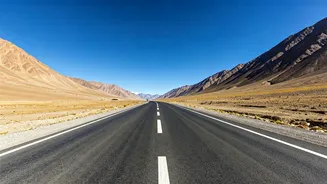
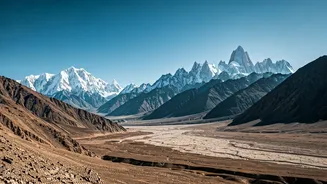
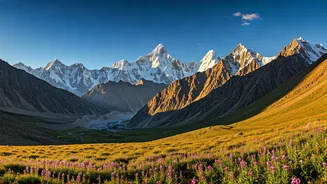
Often called 'Little Tibet' or 'The Moonland,' Ladakh’s scenery is its main draw. The landscape is a surreal canvas of barren, rust-colored mountains, impossibly blue skies, and valleys carved by turquoise rivers. The flight into Leh, the region's main town, is an experience in itself, with snow-capped peaks stretching as far as the eye can see. From there, epic road trips await. One of the most famous is the journey to Pangong Tso, a massive saltwater lake that changes color from azure to emerald throughout the day and stretches across the border into Tibet. Another must-see is the Nubra Valley, a surprisingly lush oasis complete with sand dunes and Bactrian camels—a remnant of the old Silk Road trade routes. Every turn on Ladakh's winding mountain roads reveals a view more breathtaking than the last.
Ancient Monasteries and Living Culture
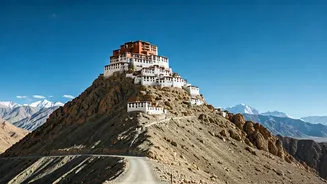
Ladakh is not just an empty wilderness; it's a vibrant center of Tibetan Buddhist culture. Ancient monasteries, or 'gompas,' seem to defy gravity, clinging to rocky hillsides and mountaintops. Visiting these spiritual centers offers a profound glimpse into a living tradition. Thiksey Monastery, a sprawling complex that strikingly resembles the Potala Palace in Lhasa, is an active center for monks and offers stunning valley views. Hemis, the region’s largest and wealthiest monastery, hosts a famous annual festival in early summer filled with masked dances and ancient rituals. In the town of Leh, you can explore the bustling main bazaar, spin prayer wheels alongside locals, and sample traditional Ladakhi food like momos (dumplings) and thukpa (noodle soup).
Adventure on the Roof of the World
For the adrenaline-inclined, Ladakh is a world-class playground. The clear summer weather is perfect for multi-day treks that range from moderate valley walks to challenging high-altitude expeditions. The Markha Valley trek is a popular option, taking you through remote villages and dramatic canyons. White-water rafting on the Zanskar and Indus rivers offers another way to experience the epic landscape, with rapids ranging from beginner-friendly to expert-level. Even if you’re not a hardcore adventurer, simply driving over the high mountain passes like Khardung La—once claimed to be the world's highest motorable road—is an unforgettable thrill.
Know Before You Go: Altitude Is Key
Planning a trip to Ladakh requires one crucial consideration: altitude. The main airport in Leh sits at about 11,500 feet, an elevation high enough to cause acute mountain sickness (AMS) if you don't take it seriously. The golden rule is to acclimatize. Upon arrival, do nothing for the first 24-48 hours. No major sightseeing, no strenuous walks. Just rest, drink plenty of water, and allow your body to adjust. Many itineraries wisely build in two or three days in and around Leh before heading to even higher altitudes like Pangong Lake. Flying into Leh is the most common route for travelers, with daily flights from Delhi. The ideal window to visit is from June to early October, when the roads are clear of snow and the weather is at its best.