



The Psychology of Comfort
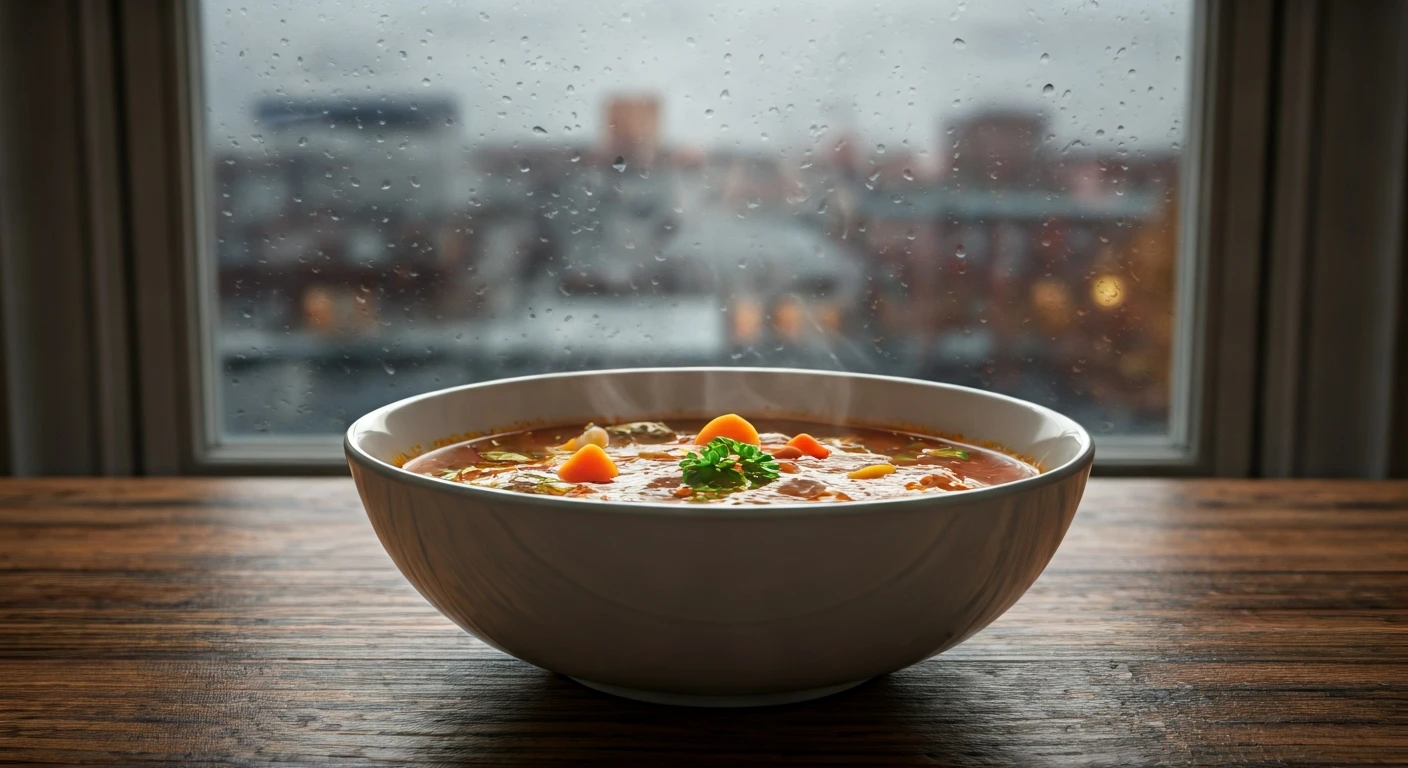
There’s a deep-seated psychological reason we crave warm food when we’re feeling down or the weather is bleak. Warmth is primal. From a mother’s hug to a cozy blanket, we associate it with safety, care, and contentment. A hot meal taps directly into this
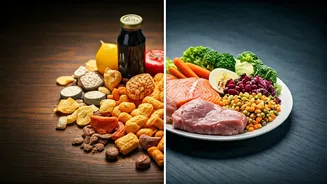
emotional circuitry. A steaming bowl of soup or a plate of roasted vegetables provides a sensory experience that a cold salad simply can’t replicate. The warmth itself can be calming, helping to soothe the stress or boredom that often triggers cravings for less-healthy options. By consciously choosing a *hot* healthy meal, you’re giving your brain the comfort signal it’s looking for without resorting to the high-calorie, low-nutrient foods you might otherwise grab. It’s a way to weather-proof your wellness plan from the inside out.
The Satiety Secret
Hot food doesn't just feel more satisfying—it can actually help you feel physically fuller for longer. There are a few reasons for this. First, you have to eat hot food more slowly. You can’t gulp down a piping hot stew the way you can a cold sandwich. This slower pace gives your stomach more time to send signals to your brain that it’s full, preventing you from overeating. Second, the rich aromas released by heated food play a crucial role in satiety. Our sense of smell is intricately linked to taste and appetite. The fragrant steam rising from a meal preps your digestive system and enhances the overall sensory experience, making the food seem more substantial and rewarding. This combination of slower consumption and heightened aroma makes a portion-controlled hot meal feel far more generous than its cold equivalent.
Unlocking Flavor and Nutrients
Cooking your food doesn’t just make it warm; it can also transform its nutritional profile and taste. The cooking process breaks down the tough cellular walls of many vegetables, which can make certain nutrients more bioavailable. For example, the antioxidant lycopene in tomatoes is much more easily absorbed by the body after being cooked. Similarly, the beta-carotene in carrots and spinach becomes more accessible. Beyond the nutritional boost, heat concentrates and deepens flavors. Roasting vegetables like broccoli, cauliflower, and Brussels sprouts caramelizes their natural sugars, turning them from bitter or bland into something nutty and sweet. This flavor enhancement means you need less salt, butter, or heavy sauces to make your meal delicious, which is another win for your diet.
Simple, Smart Hot-Meal Swaps
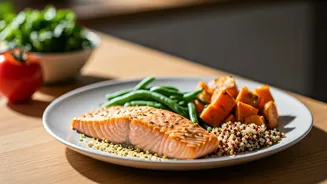
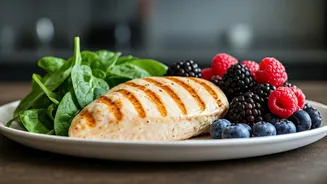
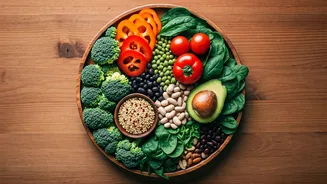
Putting this tip into practice doesn't require a complete overhaul of your eating habits. It’s about making simple, strategic swaps. Instead of a cold deli-meat sandwich, try a bowl of hearty lentil or black bean soup. Swap your go-to garden salad for a warm grain bowl with quinoa, roasted vegetables, and a flavorful protein like chicken or chickpeas. In the morning, trade your cold cereal or yogurt parfait for a bowl of hot oatmeal topped with berries and nuts. Even your snacks can get a warmth upgrade: instead of raw veggies and dip, try a small plate of air-fried green beans or a baked sweet potato. These swaps provide the same (or better) nutritional value but deliver the comfort and satisfaction needed to keep those rainy-day cravings at bay.