

The Soul of Home Cooking
First, a quick translation. In Hindi, "ghar ka khana" literally means "food of the house." But its meaning is far deeper than a meal prepared in a domestic kitchen. It’s a feeling. It’s the simple, unpretentious dal and rice your mom makes that no Michelin-starred
chef could ever replicate. It's the nourishing, everyday meals that form the backbone of family life, distinct from the rich, heavy dishes you might find at restaurants or celebrations. For many in the South Asian diaspora, it represents a direct, sensory link to family, comfort, and a sense of belonging—a taste of home, even when you're thousands of miles away.
A Complicated Legacy
For some second-generation millennials, however, that connection was complicated. In the rush to assimilate, the humble lunchbox of dal and sabzi could feel like a liability. The aromas that meant comfort at home could feel conspicuous in a school cafeteria filled with Lunchables and peanut butter sandwiches. While restaurant food—butter chicken, naan, samosas—became the public-facing ambassadors of Indian cuisine in America, ghar ka khana often remained a private affair. It was beloved, yes, but it wasn't necessarily cool. It was sustenance, not a statement.
Enter the Gen Z Aesthetic
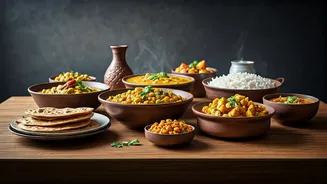
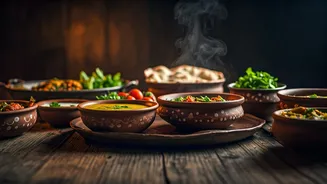
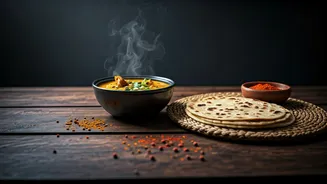
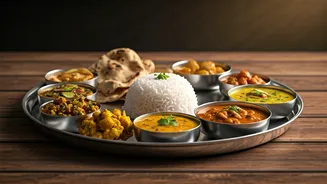
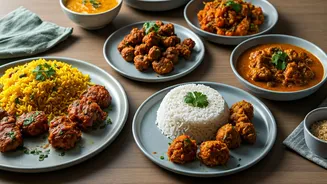
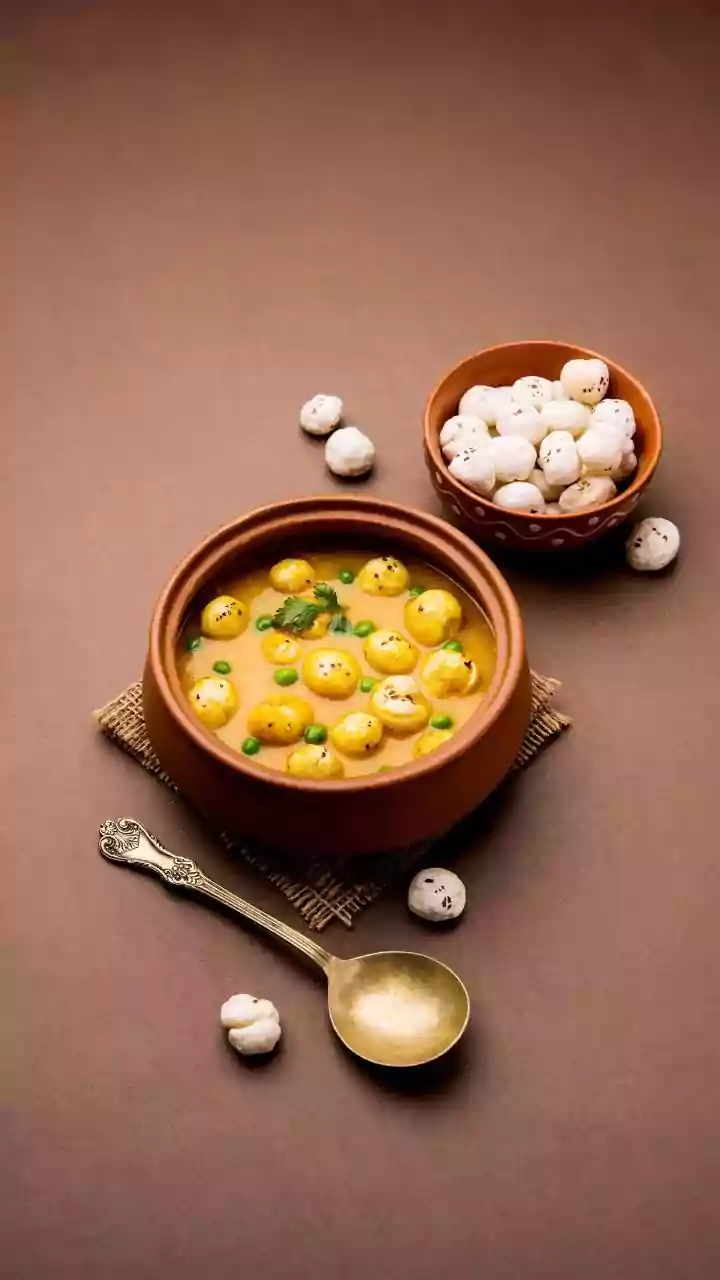
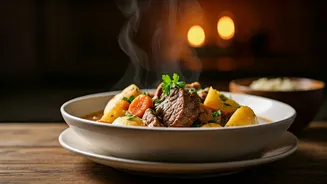
That's where the rebrand comes in. Scroll through TikTok or Instagram today, and you’ll see ghar ka khana presented in a new light. Gen Z creators are taking the same humble dishes—lentils, vegetable curries, freshly rolled rotis—and framing them with a modern, global aesthetic. The food is plated in minimalist ceramic bowls, not stainless steel thalis. The videos are shot in beautiful, natural light, often with ASMR-inducing sounds of sizzling spices and chopping vegetables. It’s no longer just about the food; it’s about the entire vibe. The act of cooking and sharing these meals has become a form of content, one that is both visually pleasing and culturally significant.
Wellness, Economics, and Identity
So, what’s driving this shift? It’s a perfect storm of Gen Z priorities. First, there’s the wellness movement. This generation is deeply skeptical of processed foods and values clean, simple ingredients—a description that perfectly fits traditional home cooking. Second, there's the economic reality. With inflation and the high cost of eating out, cooking at home is a practical necessity. But most importantly, it’s about identity. Unlike previous generations who may have felt pressure to downplay their heritage, many in Gen Z are embracing it loudly and proudly. Cooking their ancestral foods is a way to connect with their roots on their own terms, turning what was once a private comfort into a public expression of self.
From Private Comfort to Public Pride
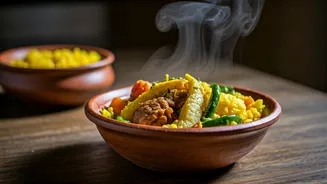
This trend isn’t just about making old food look new. It represents a fundamental shift in cultural confidence. By sharing their ghar ka khana online, young South Asians are de-exoticizing their daily food and normalizing it for a wider audience. They are rejecting the idea that their culture must be packaged in a restaurant-friendly format to be considered valid or appealing. The simple act of posting a video of making khichdi (a rice and lentil porridge) is a quiet declaration: “This is what we eat, this is who we are, and it’s beautiful.” It’s a reclaiming of the narrative, transforming the food of the house into food for the world to see, admire, and understand.