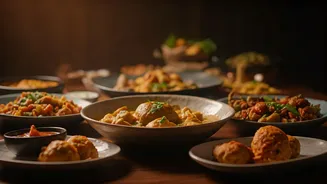

The Great American Curry House
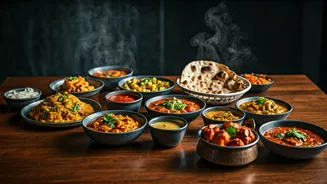
Walk into an Indian restaurant in most American towns, and you could probably predict the menu. Chicken tikka masala, saag paneer, lamb rogan josh, and a basket of garlic naan. This is the holy writ of Indian dining as most of us have known it for the last
40 years. It’s delicious, comforting, and wildly popular. It’s also a tiny, unrepresentative sliver of what India actually eats. This familiar fare largely stems from Punjabi and Mughlai traditions in North India. It was brought to the West by early immigrants and, through a combination of brilliant cooking and canny adaptation (the invention of chicken tikka masala is famously credited to a chef in Glasgow, Scotland), became synonymous with “Indian food.” This created a successful but limiting feedback loop: restaurateurs served what Americans expected, and Americans expected what was served. For generations, the staggering diversity of one of a billion-person nation was flattened into a single, creamy, tomato-based cuisine.
A Map of New Flavors
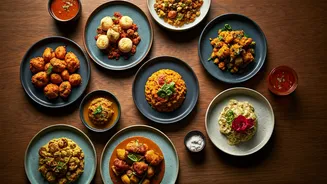
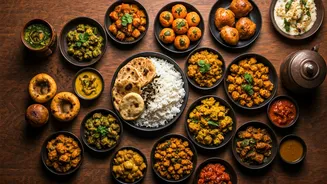
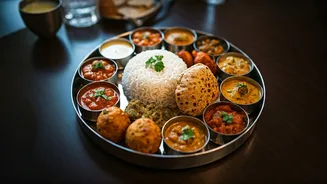
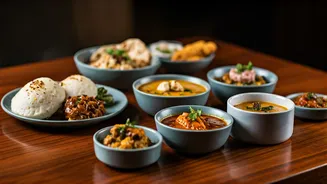
That era is definitively coming to an end. A new wave of chefs and restaurateurs is proudly planting flags for the specific regions they call home. Instead of a single “Indian” menu, diners are being handed a culinary map. This is the “remix”—not necessarily a fusion of ingredients, but a remix of expectations, a reintroduction to the real thing. Suddenly, menus are name-dropping states and cities. You might find the coastal, coconut-laced seafood curries of Kerala, fragrant with curry leaves and black pepper. Or the fiery, vinegar-spiked pork vindaloo of Goa, a legacy of Portuguese influence that tastes nothing like the one-note spicy version in many older restaurants. There’s the complex, subtly sweet and savory food of Bengal, with its mustard-oil-based fish preparations and delicate lentil dishes. Or the vegetarian thalis of Gujarat, an elaborate platter of small dishes offering a symphony of textures and flavors. This isn't about replacing tikka masala; it's about expanding the library, showing that Indian food is not a single book, but an entire universe of stories.
Chefs Leading the Charge
This movement isn't happening in a vacuum; it’s being driven by bold, visionary chefs. In New York City, Chintan Pandya and his restaurant group, Unapologetic Indian, have become the poster children for this shift. Their flagship, Dhamaka, serves provincial dishes from across India with a declared mission to not tone down the spice or funk. It's a massive success, earning a James Beard Award and lines out the door for dishes like goat neck biryani and paneer made with chili from Bihar. On the West Coast, restaurants like San Francisco’s Ritu are re-framing Indian food through a Californian lens of seasonality, applying traditional techniques to local produce. In cities across the country, from Houston to Chicago, small, family-run spots and ambitious new fine-dining concepts alike are finding success by focusing on a specific culinary point of view—be it the street food of Mumbai, the dosas of Chennai, or the hearty meat dishes of Kashmir. They are confidently asserting that their food doesn't need to be altered to be appreciated.
Why Now? A Generational Shift
So why is this explosion of regionality happening now? It’s a perfect storm of factors. A key driver is a new generation of Indian-American chefs. Many are the children of the original restaurateurs, who have grown up navigating both cultures. They have the classical training and the cultural confidence to present the food of their heritage on their own terms, without apology or excessive explanation. At the same time, American diners have evolved. Thanks to travel shows, the internet, and a generally more adventurous palate, customers are not just willing but eager to try something new. The same person who seeks out authentic regional Mexican food or knows the difference between ramen and pho is now ready to explore the nuances of the Indian subcontinent. Social media provides the perfect platform, where a vibrant, unusual-looking dish can go viral and draw in curious diners. It’s a moment where authenticity has become its own form of currency, and the rich, diverse cuisines of India are finally cashing in.