



The End of 'Go Hard or Go Home'
Remember when every fitness influencer was shouting motivational mantras over a pulsing EDM track? For the better part of a decade, American wellness was defined by intensity. It was the era of punishing bootcamps, two-a-day workouts, juice cleanses that
left you fantasizing about bread, and the relentless pressure to track every calorie burned and every step taken. The underlying message was simple: more is always better. If you weren't pushing your body to its absolute limit, you weren't doing it right. This "no days off" philosophy wasn't just confined to the gym. It bled into our work lives, our social calendars, and our internal monologues. It was the wellness equivalent of hustle culture—a belief that constant, grinding effort was the only path to improvement. But after years of sprinting, a huge number of Americans have realized they're exhausted, sore, and not necessarily any happier. The promise of peak performance led instead to widespread burnout, anxiety, and a nagging feeling that we were failing at self-care by trying too hard.
The Great Exhaustion Meets The Pandemic
So, what changed? In short, reality caught up. The pandemic served as a massive, collective reset button. Stripped of our usual routines and facing unprecedented stress, millions of people began to re-evaluate their priorities. The idea of waking up at 5 a.m. to run ten miles before a grueling day of Zoom calls suddenly seemed less like an aspiration and more like a punishment. This period forced a conversation about mental health into the mainstream. Terms like 'burnout' and 'languishing' entered the popular lexicon, giving a name to the fatigue so many were feeling. We started to recognize that our nervous systems were fried. The high-stress state demanded by intense workouts and restrictive lifestyles was no longer a tenable escape; it was just more of the same. The focus began to shift from pushing through the pain to actively healing it. Wellness started to look less like a challenge and more like a form of gentle self-preservation.
Meet the New Toolkit for Repair
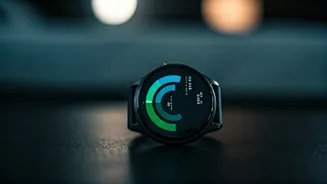
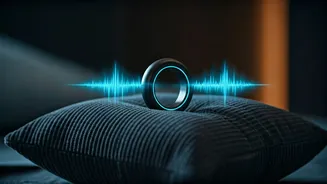
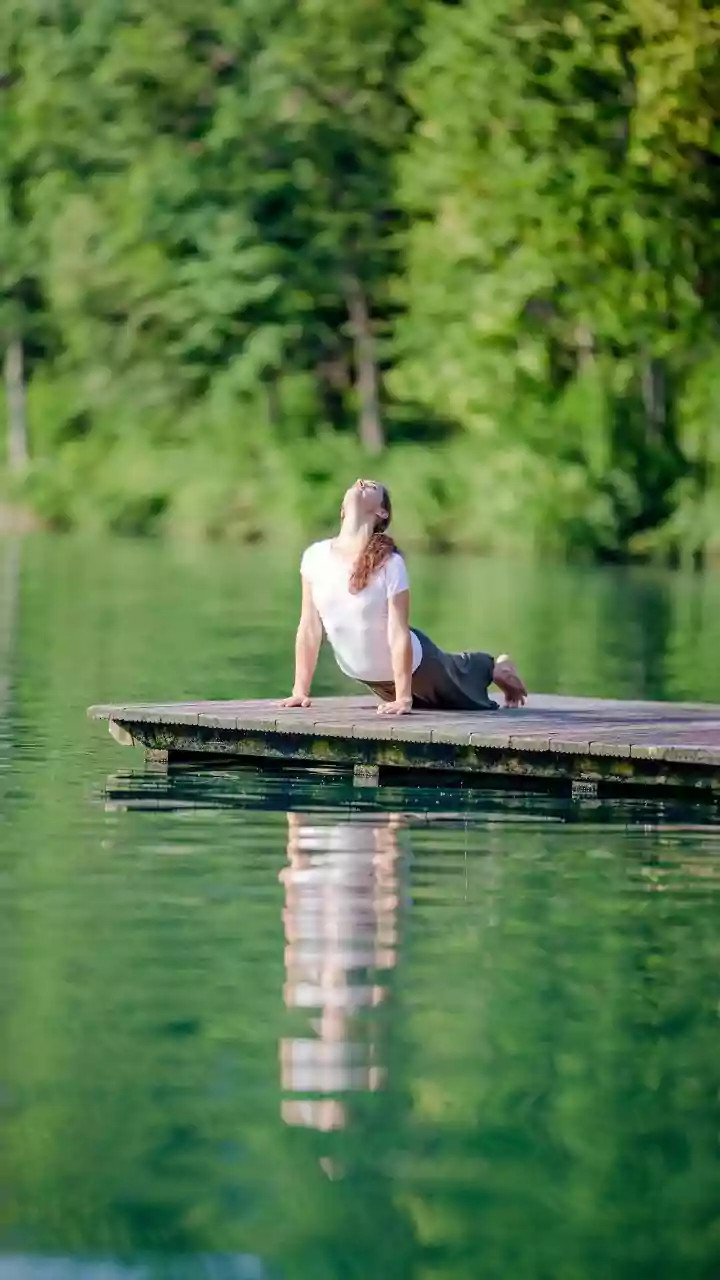
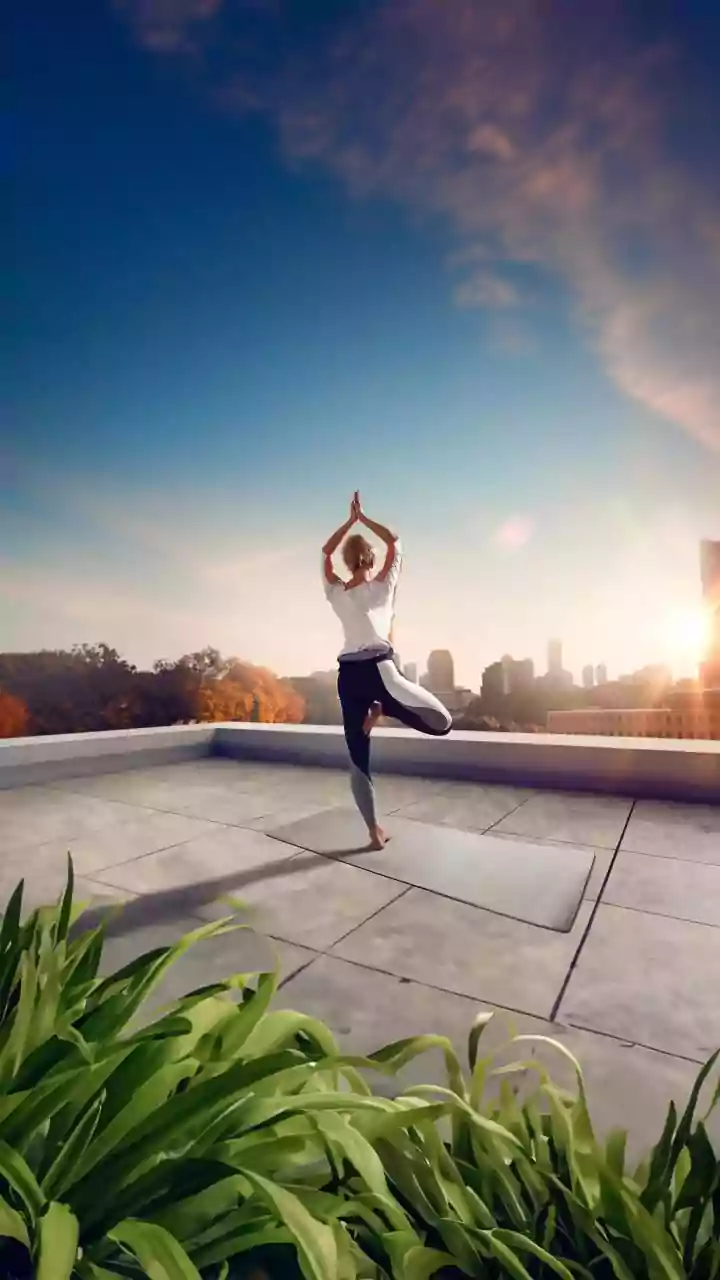
This new emphasis on rest and repair isn't just a mindset; it's a booming market. The 'recovery' category is one of the fastest-growing segments of the wellness industry. It's filled with tools and practices designed not to break the body down, but to build it back up. Think of the rise of percussive massage guns like the Theragun, once a niche product for elite athletes, now a staple in suburban living rooms. Consider the popularity of Oura rings and Whoop straps, which monitor sleep quality and 'readiness' scores, gamifying recovery instead of activity. The market has exploded with weighted blankets for anxiety, magnesium supplements for muscle relaxation, and CBD-infused everything for a sense of calm. Fitness itself has softened. High-intensity interval training (HIIT) is still around, but it now shares the spotlight with yin yoga, mobility classes, sound baths, and guided meditations—all practices centered on slowing down, breathing deeply, and listening to your body.
Is Rest Just Another Thing to Optimize?
Of course, there's a cynical-but-necessary question to ask: Is the wellness industry truly embracing rest, or is it just monetizing it? When a good night's sleep requires a $300 smart ring, a silk eye mask, a special pillow, and a white noise machine, it’s fair to wonder if 'rest' is just becoming another arena for consumerism and performance anxiety. The pressure to have the 'perfect' recovery routine can feel just as stressful as the pressure to complete the perfect workout. There's a fine line between using tools to support genuine well-being and falling into the trap of optimizing every last second of your downtime. The goal of rest is to disconnect and recharge, not to generate a new set of data points to obsess over. The true victory of this trend isn't in buying the latest recovery gadget, but in granting ourselves permission to do nothing at all—without guilt.