


The Vibe Shift on the Veranda
So, what exactly is “Big Salad Energy”? It’s the confident, calming aura that comes from cultivating your own food, even on a ridiculously small scale. It’s walking past a sad, plastic-wrapped clamshell of mixed greens at the grocery store and thinking,
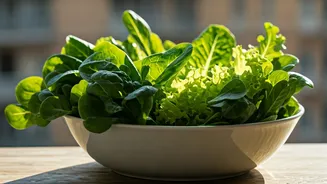
“I’m good.” It’s the quiet satisfaction of snipping fresh basil for your pasta or harvesting a handful of arugula that actually tastes peppery and alive. This isn’t about off-the-grid living; it’s about on-the-grid enhancement. In a world of digital burnout and abstract professional goals, nurturing a plant from a tiny seed into something you can eat provides a tangible, deeply rewarding sense of accomplishment. It transforms a forgotten slab of concrete into a productive, personal sanctuary. More than a hobby, it’s a statement: even in a 600-square-foot apartment, you can create abundance.
Why the Balcony Boom Is Happening Now
This movement didn’t sprout from nowhere. Several cultural shifts have converged to make balcony gardening the perfect hobby for our times. First, the pandemic renewed our focus on the home, turning apartments into offices, gyms, and now, farms. We’re spending more time in our spaces and looking for ways to make them more functional and beautiful. Second, sticker shock in the produce aisle is real. As grocery bills climb, the idea of growing even a small portion of your own food feels not just quaint, but economically savvy. A packet of lettuce seeds can cost less than a single head of organic romaine and yield salads for weeks. Finally, there's the undeniable aesthetic appeal. A lush, green balcony is an Instagram-worthy backdrop, a visual respite from the urban gray. Social media feeds filled with #balconygarden and #containergardening provide endless inspiration, turning a niche activity into a mainstream aspiration.
Your Starter Pack for Salad Success
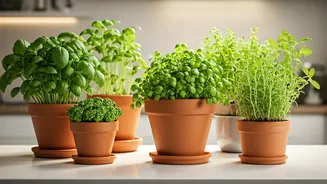
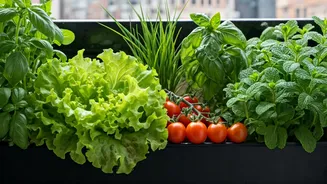
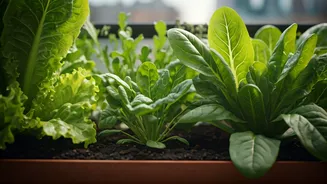
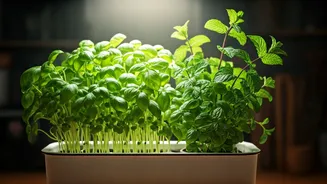
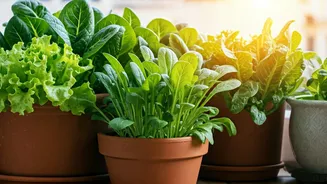
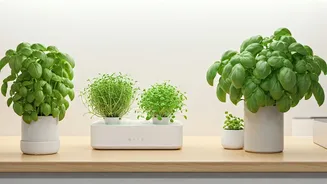
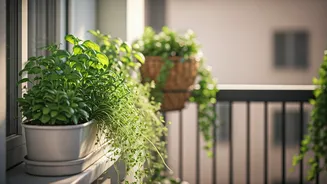
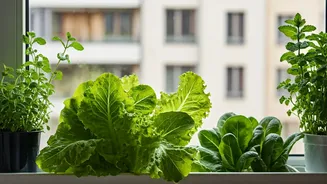
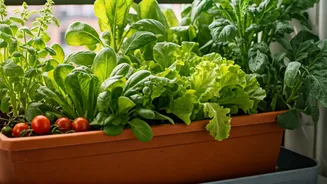
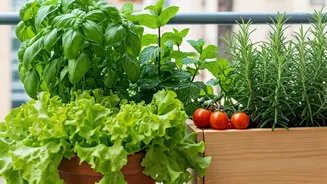
The best part about this trend is its accessibility. You don’t need a green thumb, just a little planning. Think of your balcony as a tiny, vertical farm plot. Start with the right containers. Fabric grow bags are fantastic because they’re lightweight and prevent overwatering. Railing planters maximize space, while vertical wall planters let you go up when you can’t go out. The single most important feature? Drainage holes. No exceptions. Next, pick your players. For guaranteed wins, start with “cut-and-come-again” greens like loose-leaf lettuce, spinach, and arugula. You can harvest the outer leaves, and the plant will keep producing from the center. Radishes are another star, going from seed to spicy snack in under a month. And don’t forget herbs. A pot of chives, a cascade of mint, and a sturdy basil plant are the holy trinity of a kitchen garden. They require minimal space and deliver maximum flavor impact.
Mastering the Micro-Climate
Every balcony has its own unique environment, and understanding yours is key. Before you buy a single seed, spend a day observing the sun. Does your balcony get blazing afternoon heat, or is it a shady morning retreat? Most leafy greens and herbs prefer at least four to six hours of sunlight but can suffer in scorching, direct sun. If you have a very hot space, you may need to provide some shade during the peak of the day. Watering is the next hurdle. Containers dry out much faster than garden beds, especially on windy, sunny days. The best method is the finger test: stick your index finger an inch or two into the soil. If it comes out dry, it’s time to water. Water deeply until it runs out the drainage holes, and try to do it in the morning so the leaves have time to dry, which helps prevent disease. A simple, all-purpose liquid fertilizer, diluted and applied every few weeks during the growing season, is all the extra nutrition your salad stars will need.
More Than Just a Meal
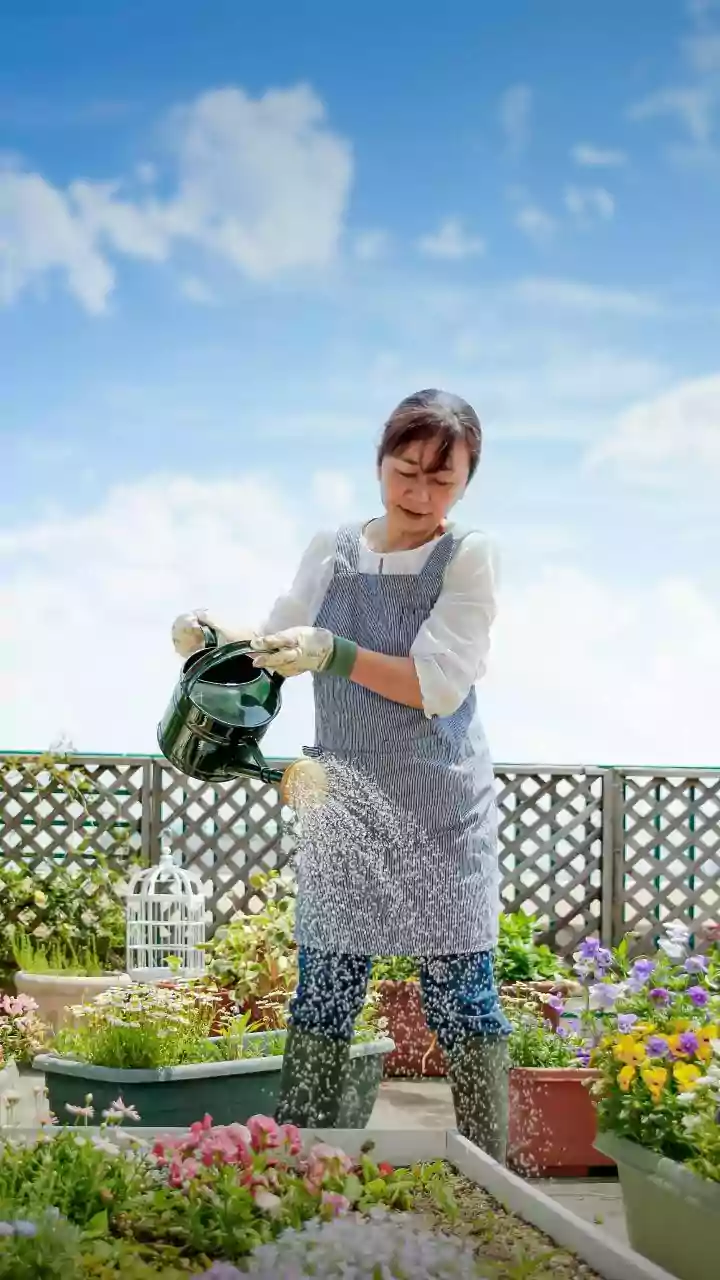
Ultimately, the “energy” is the real prize. It’s the five-minute morning ritual of checking on your plants, watering can in hand, before the chaos of the day begins. It’s the small thrill of seeing the first true leaves appear on a seedling you started yourself. It’s impressing a dinner guest with a garnish you “just picked from the garden.” This practice connects you to the seasons and the simple miracle of growth in a way that scrolling a feed never can. It’s a small act of rebellion against a food system that often feels distant and impersonal. That little patch of green on your balcony does more than produce food; it produces calm, purpose, and a delicious sense of pride.