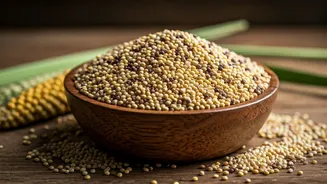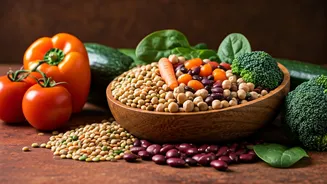

So, What Exactly Are Fava Beans?
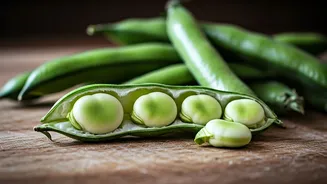
Chances are you’ve seen them without even realizing it. Also known as broad beans, favas are one of humanity’s oldest cultivated crops, with a history stretching back thousands of years across the Mediterranean and Middle East. They grow in long, bumpy
green pods that look a bit like overgrown peapods. Inside, you’ll find large, flat, light-green beans. Unlike a snap pea, the pod is tough and inedible. The beans themselves are the prize, prized for a distinctly nutty, slightly sweet, and subtly bitter flavor that’s more complex than your average cannellini. While they’ve long been a staple in other parts of the world—think ful medames in Egypt or Italian spring salads—they are only now starting to get the mainstream attention they deserve in American kitchens.
The Nutritional Heavyweight
In an era where plant-based eating is booming, fava beans are a nutritional powerhouse. A single cup of cooked fava beans delivers around 13 grams of protein and 9 grams of fiber, making them incredibly satiating and great for digestive health. This combination helps stabilize blood sugar and keeps you feeling full longer, curbing the urge to snack between meals. But the benefits don’t stop there. They are also loaded with folate, which is crucial for cell growth and development, as well as essential minerals like manganese, copper, and iron. For anyone looking to boost their plant-based iron intake, fava beans are a fantastic choice, offering a significant portion of the daily recommended value in just one serving. They offer the substance of a steak with the green credentials of a vegetable.
A Win for Your Plate and the Planet
The appeal of fava beans extends beyond personal health to planetary health. Favas are a type of legume known as a “nitrogen fixer.” This means they have a symbiotic relationship with bacteria in the soil that allows them to pull nitrogen from the air and convert it into a form that enriches the soil. Farmers often plant fava beans as a cover crop to naturally fertilize their fields, reducing the need for chemical fertilizers. This regenerative quality makes them a champion of sustainable agriculture. By choosing fava beans, you’re not just picking a healthy ingredient; you’re supporting a food system that gives back to the earth. It’s a simple consumer choice that has a positive ripple effect on the environment.
From Farmers Market to Your Kitchen
Okay, so you’re sold on the idea. How do you actually use them? Fava beans come in a few forms: fresh in the pod (a springtime treat at farmers markets), dried, and canned. Fresh favas require a bit of prep—a process called “double-peeling.” First, you shell them from their large pods, then blanch them in boiling water for about a minute before plunging them into an ice bath. This loosens the thick, waxy skin around each individual bean, which you can then easily slip off. It sounds like a lot, but the resulting bright green, tender bean is worth the effort. They’re incredible smashed on toast with ricotta and mint, tossed into pasta dishes, or blended into a vibrant green dip. Dried fava beans, which need to be soaked and cooked like other dried beans, are perfect for heartier stews and the classic Egyptian breakfast dish, ful medames.
An Important Health Consideration
While fava beans are a fantastic food for most people, there is one crucial exception. A small percentage of the population, most often men of Mediterranean, African, or Southeast Asian descent, have a genetic condition called Glucose-6-Phosphate Dehydrogenase (G6PD) deficiency. For these individuals, consuming fava beans can trigger a severe hemolytic anemia, a condition known as favism. The compounds in the beans cause a rapid destruction of red blood cells. While G6PD deficiency is relatively rare in the general U.S. population, it’s a serious condition. If you have a family history of this disorder or are in a higher-risk demographic, it's essential to be aware and consult a doctor before adding fava beans to your diet.