



The Curtain of Mist
In the American imagination, rain can be a nuisance—a canceled picnic, a dreary commute. But in Darjeeling, the famed tea-growing region of West Bengal, India, the monsoon is not an interruption; it is the main event. From June to September, the heavens
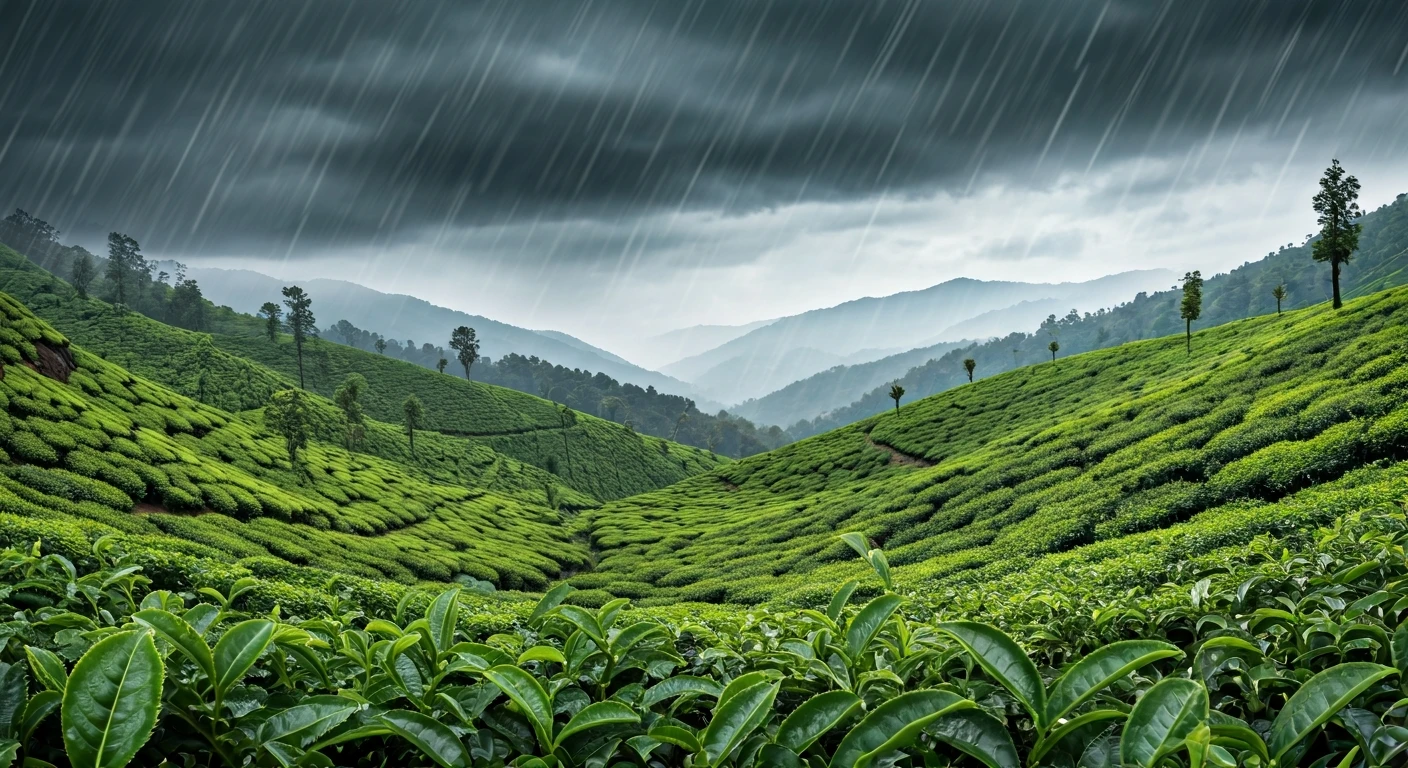
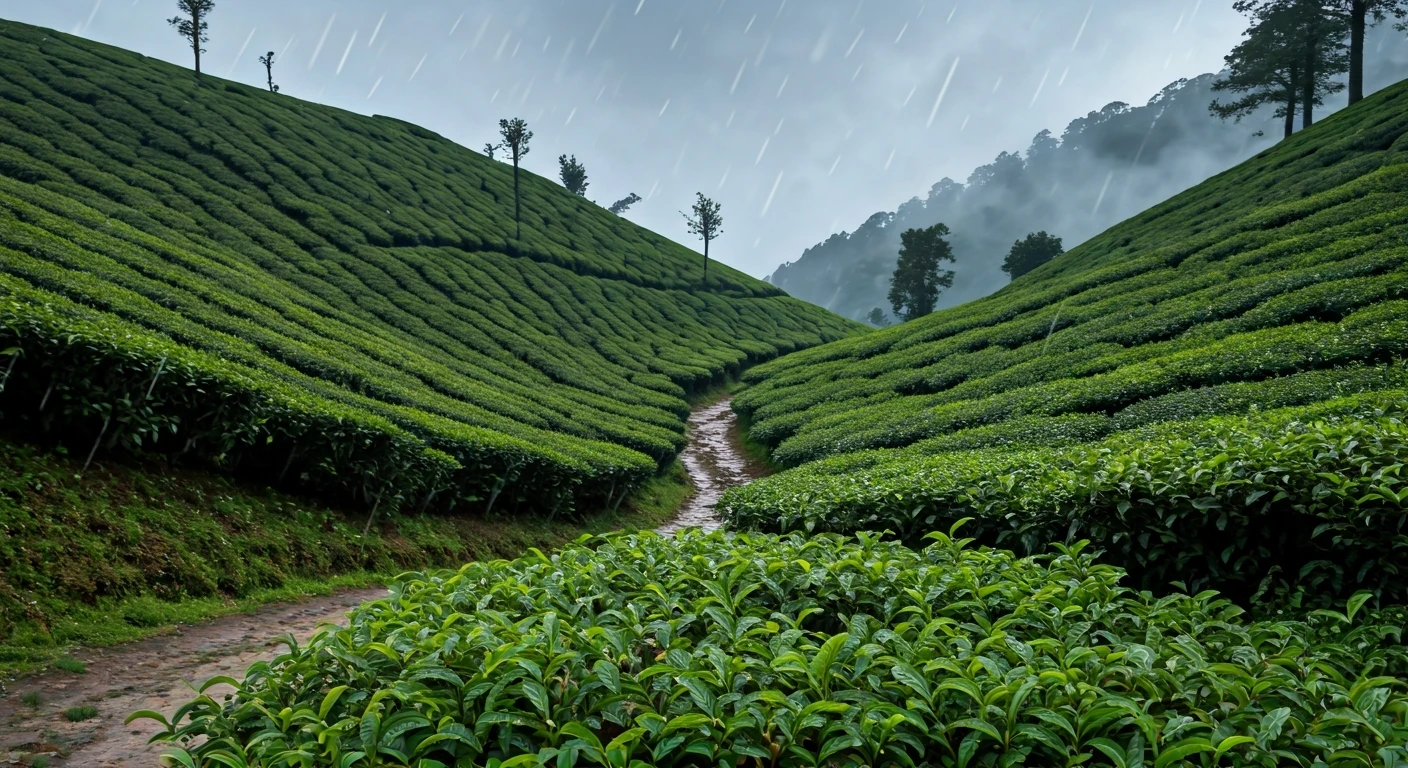
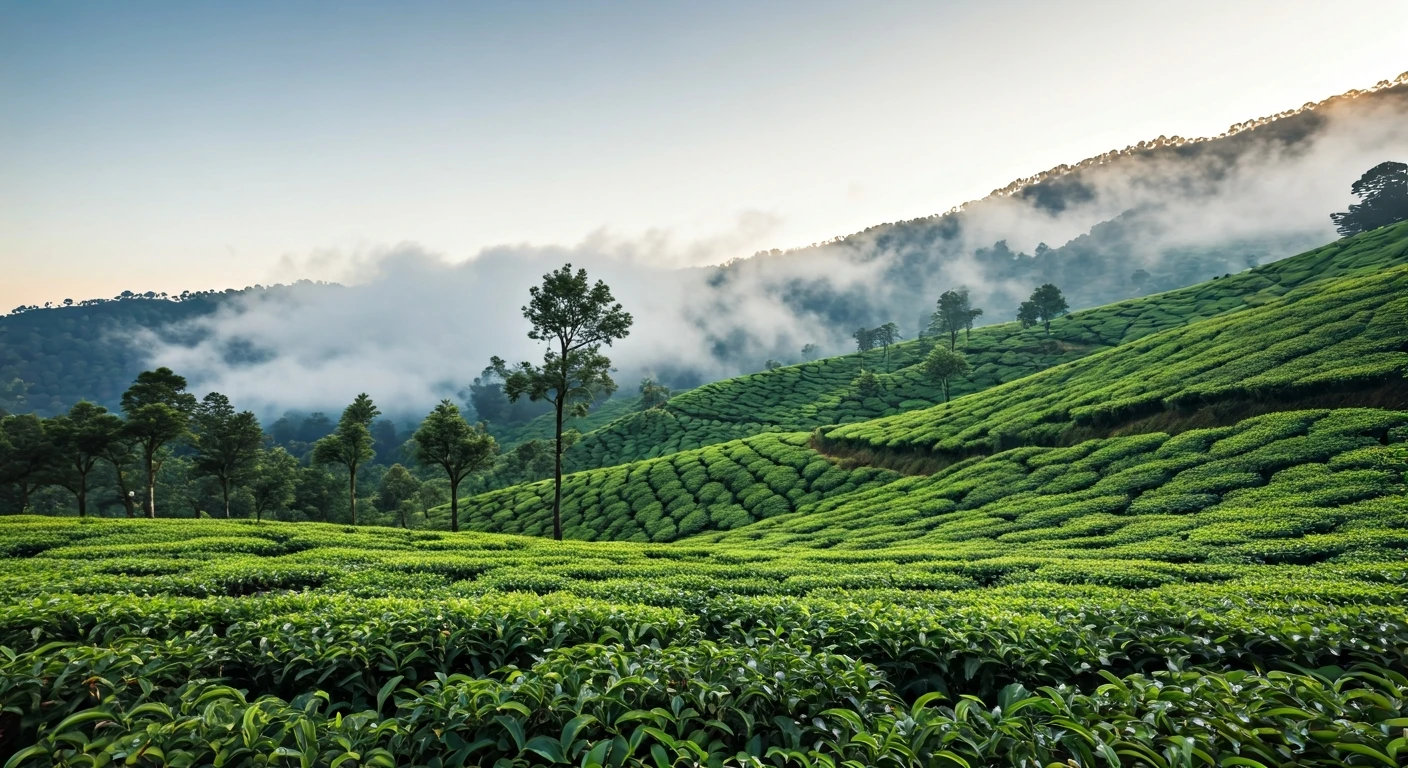
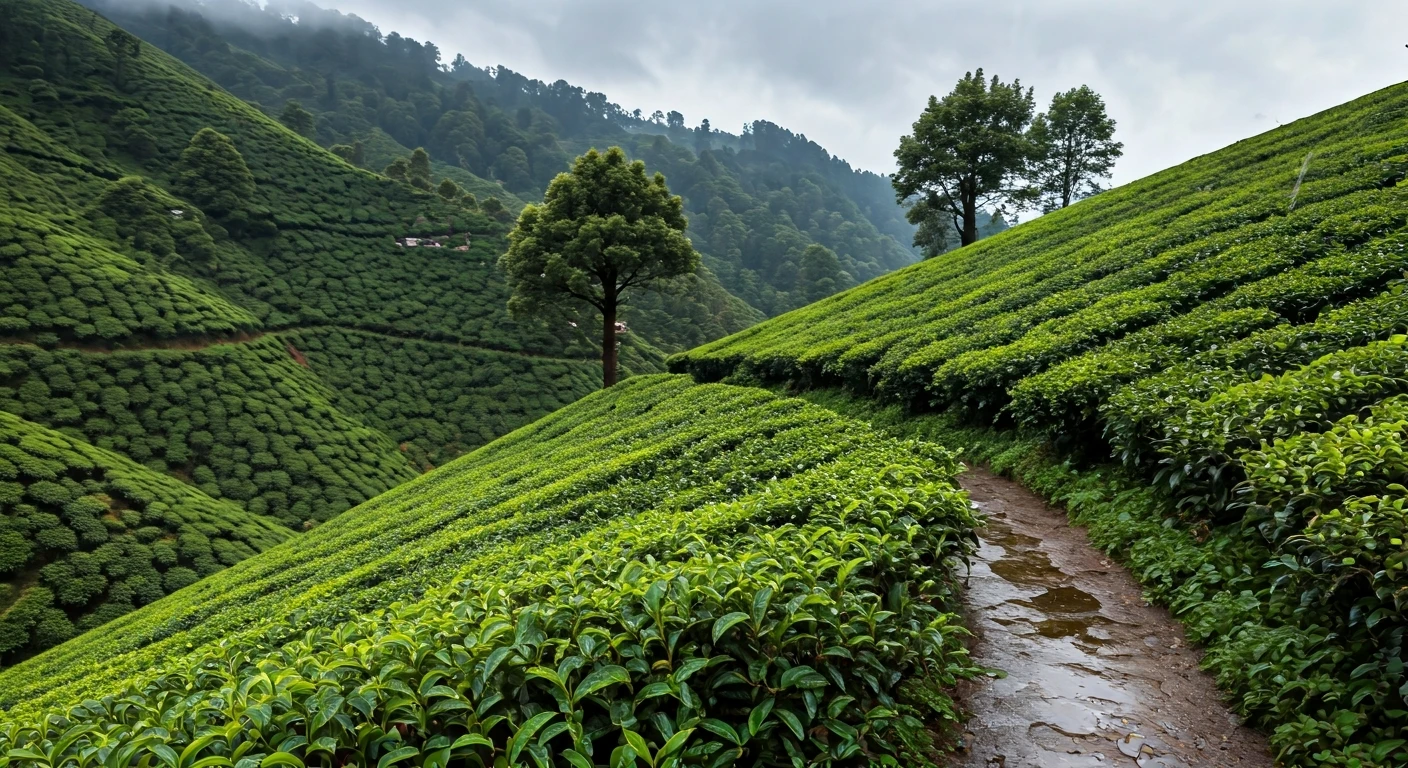
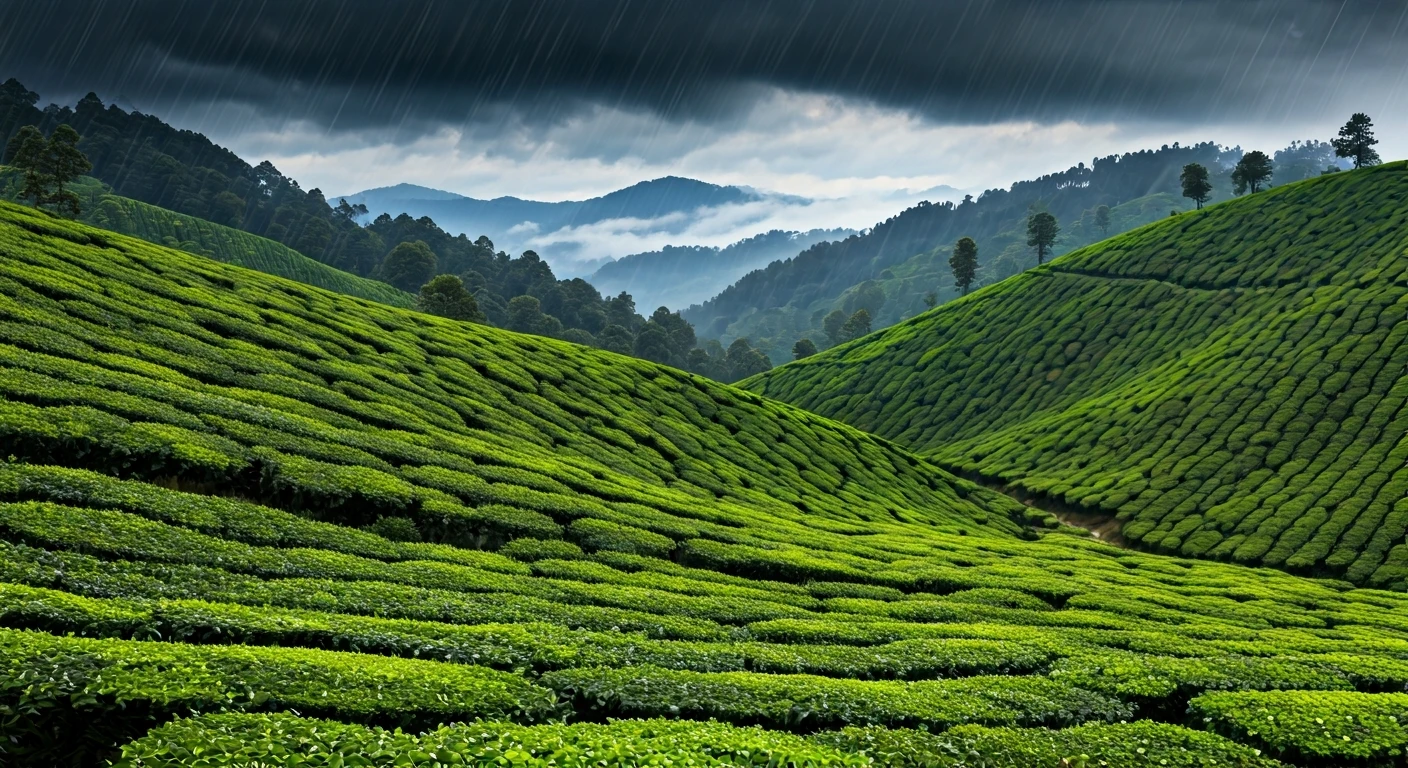
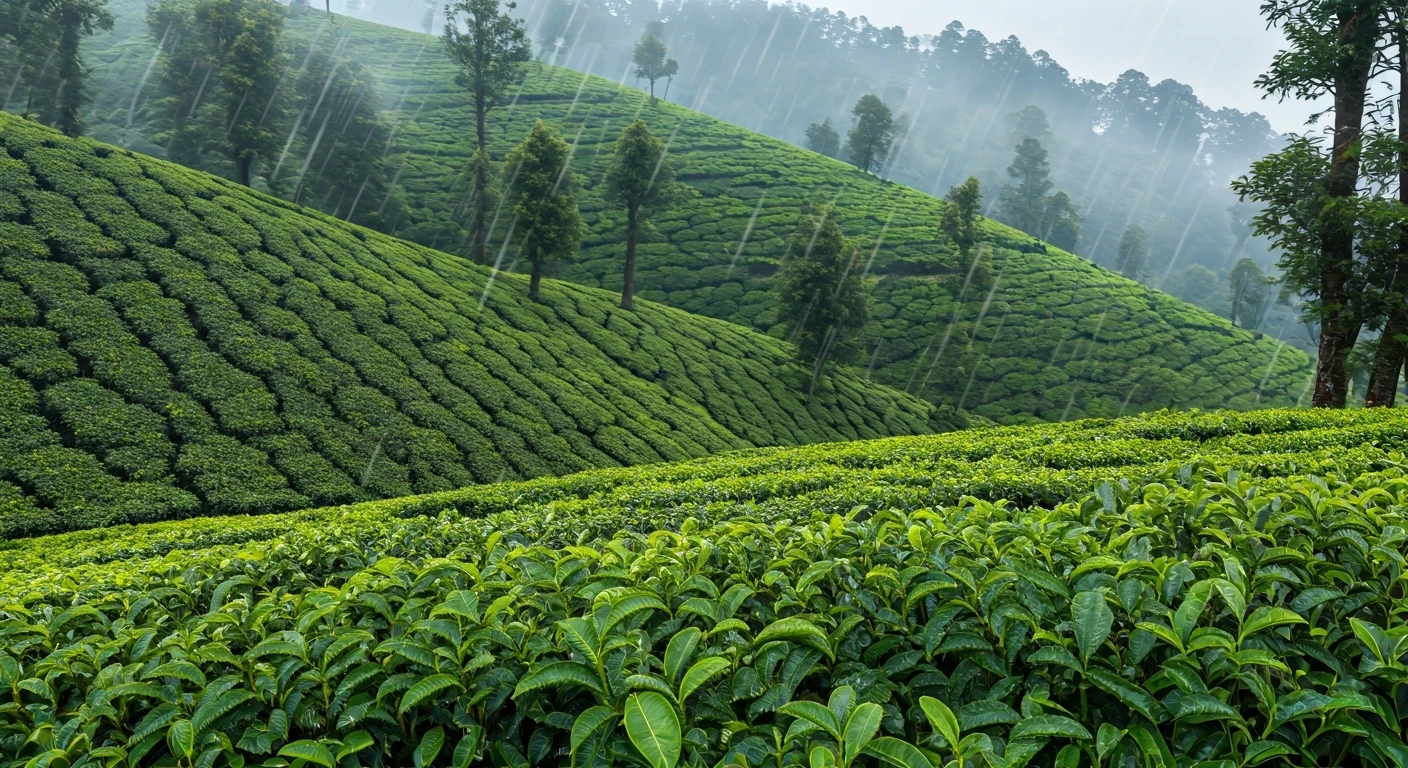
open up, and the landscape is reborn. The rain arrives not as a gentle shower but as a profound, atmospheric presence. It drums on corrugated tin roofs, mutes the distant sounds of village life, and sends tendrils of fog creeping through the valleys. The air grows heavy with the scent of wet earth and blooming jasmine. For the visitor, it’s a sensory immersion. The world shrinks to the intimate space under your umbrella, where every leaf and stone is washed clean, revealing a vibrancy hidden under the dry season’s dust. The terraced hills, meticulously carved and carpeted with Camellia sinensis bushes, become a mosaic of a thousand shades of green, each one deeper and more alive than the last.
Lifeblood of the 'Champagne of Teas'
This visual magic is directly linked to the magic in your cup. Darjeeling tea is often called the “Champagne of teas” for its delicate, complex flavor profile, which cannot be replicated anywhere else on Earth. The monsoon rains are a critical ingredient in this alchemy. While the pre-monsoon “first flush” teas are light and floral, the leaves that grow during the summer rains produce the legendary “second flush.” This is the tea that connoisseurs covet. The unique combination of mountain air, misty sunlight, and abundant rainfall stresses the tea plants in just the right way, causing them to produce compounds that yield a fuller-bodied, amber-colored liquor. This is where the famous “muscatel” note—a rich, fruity flavor reminiscent of muscat grapes—is born. The rain isn’t just making the gardens look beautiful; it is actively creating the complex, world-renowned taste that defines Darjeeling’s most prized harvest. The workers, draped in colorful protective sheets, move through the rows like spirits in the mist, their skilled hands plucking the two leaves and a bud that hold all this potential.
A Slower, Greener Pace
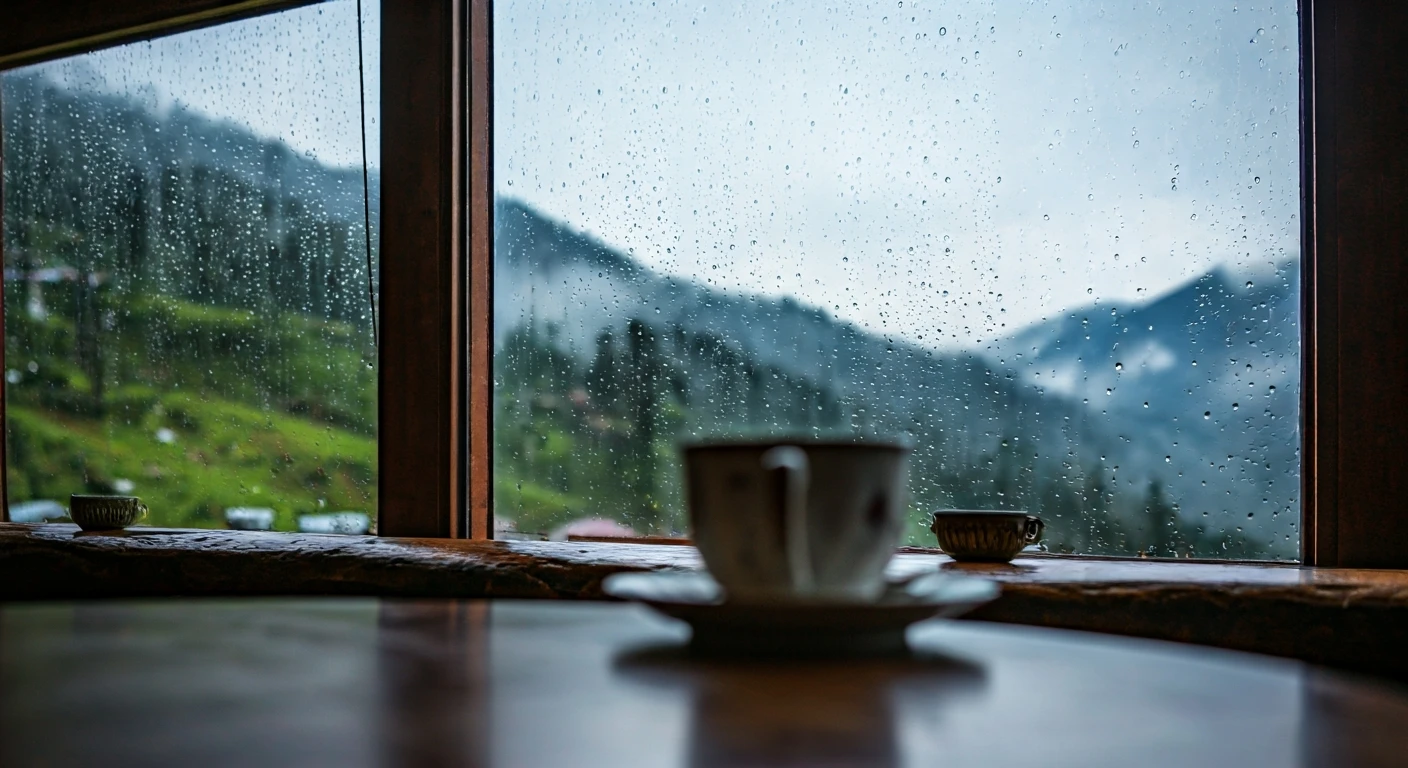
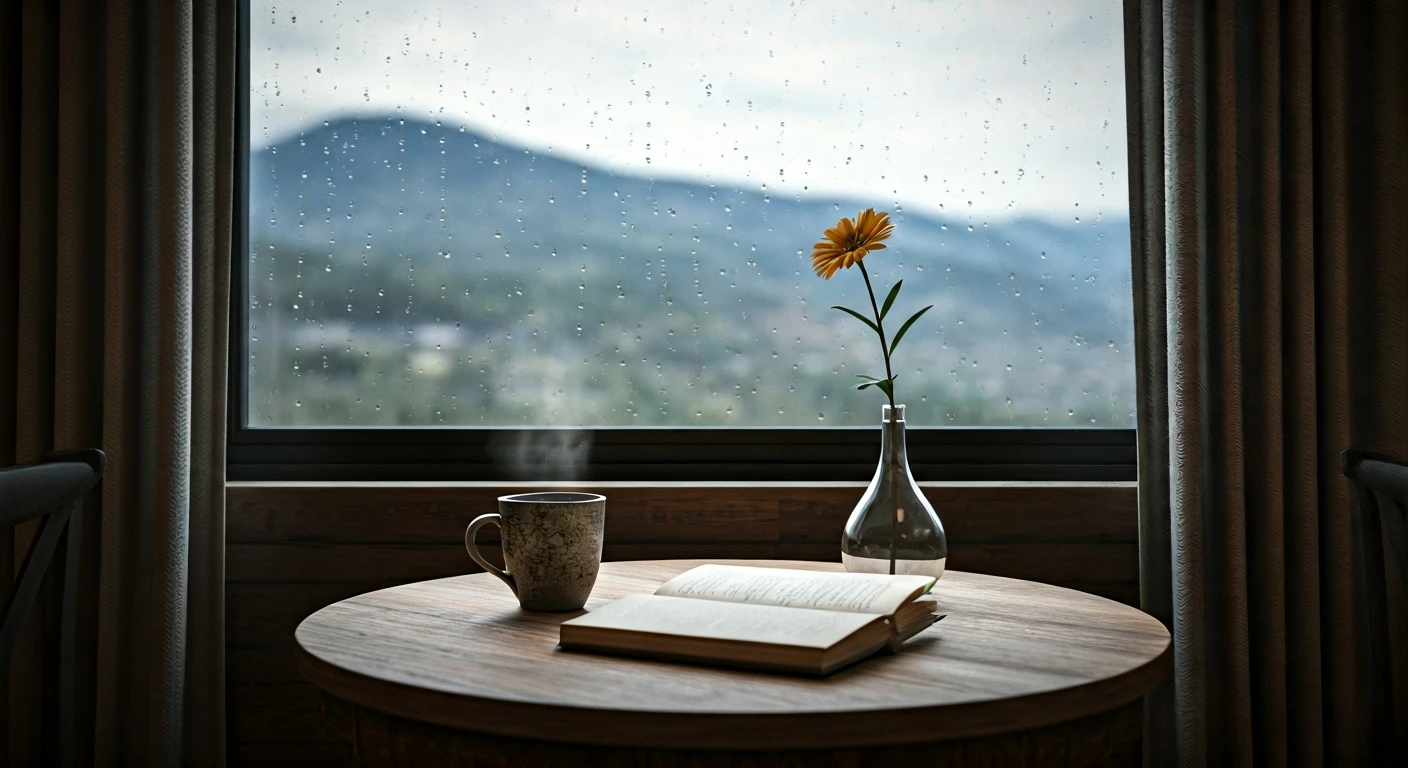
While the peak tourist season might avoid the downpours, visiting Darjeeling during the monsoon offers a different, perhaps more authentic, experience. The pace of life slows. Instead of bustling crowds, you find a quieter, more contemplative atmosphere. It’s the perfect time for curling up in a colonial-era hotel with a good book and a steaming pot of freshly brewed tea, watching the clouds drift across the Kanchenjunga range when they momentarily appear. The sound of the rain becomes a soothing, constant companion. Local life continues, adapted to the weather. Children splash in puddles, and markets are a flurry of bright umbrellas. It’s a season for cozy indoor conversations, for savoring spicy momos in a warm cafe, and for feeling completely enveloped by the lushness of the natural world. The magic isn't just in the gardens; it's in the way the rain encourages you to slow down and simply be present.
Beyond the Tea Leaves
The rain’s transformative power extends beyond the meticulously manicured tea estates. The entire ecosystem of the Eastern Himalayas rejoices. Dormant waterfalls roar back to life, cascading down rocky cliffs in spectacular displays. Wildflowers in shades of violet, yellow, and red burst from the soil, adding pops of color to the overwhelming green. The air, washed clean of dust, feels crisp and pure. For photographers and nature lovers, it’s a paradise. The interplay of light, mist, and shadow creates dramatic, ever-changing scenes. A sudden break in the clouds can send a shaft of golden sunlight illuminating a single hillside, making it glow as if lit from within, before the mist closes in again. This is Darjeeling at its most raw, dynamic, and breathtakingly alive.