







Beyond Cereal and Sugar
For decades, the classic American breakfast has been dominated by refined carbohydrates and sugar. Think sugary cereals, pastries, muffins, and juice. While quick and convenient, this model often leads to a rapid spike in blood sugar followed by the dreaded
mid-morning crash, leaving you feeling tired, unfocused, and hungry long before lunchtime. The “major boost” in morning nutrition comes from flipping this script. The new focus is on building a meal that prioritizes metabolic stability. Instead of a quick burst of energy, the goal is a slow, steady release that fuels both your body and your brain for hours. This means emphasizing three key components: protein, healthy fats, and fiber.
The Power of Protein in the A.M.
If there's one nutrient leading the breakfast revolution, it's protein. Nutrition experts are increasingly recommending a protein-forward first meal, and for good reason. Protein is highly satiating, meaning it helps you feel full and satisfied for longer, reducing the urge to snack on empty calories before lunch. It also plays a crucial role in stabilizing blood sugar levels when consumed with carbohydrates. Furthermore, a protein-rich breakfast helps support muscle maintenance and repair, which is important for everyone, not just athletes. Getting a significant portion of your daily protein intake in the morning can help distribute it more evenly throughout the day, optimizing its benefits for metabolism and body composition.
Upgrade #1: Go Savory, Not Sweet
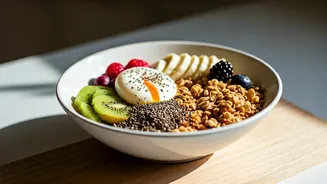
One of the easiest ways to boost your morning nutrition is to break away from the sweet-by-default mindset. Savory breakfasts are an excellent vehicle for protein and healthy fats. Think outside the cereal box and consider a breakfast bowl built on a base of quinoa or black beans. Top it with a fried or scrambled egg, half an avocado for healthy fats and fiber, and a handful of spinach or leftover roasted vegetables. Another simple option is cottage cheese or Greek yogurt (choose plain to avoid added sugars) topped with everything bagel seasoning, sliced tomatoes, and a drizzle of olive oil. These meals provide sustained energy without the sugar crash and feel far more substantial.
Upgrade #2: Reinvent Your Smoothie
Smoothies are a breakfast staple, but they can easily become dessert in a glass if they’re loaded with fruit, juice, and sweetened yogurt. To give your smoothie a nutritional boost, rethink the formula. Start with a liquid base of unsweetened almond milk or water instead of juice. Limit the fruit to a half-cup of low-sugar options like berries. The most important addition is a source of protein. A scoop of unflavored or vanilla protein powder (whey, casein, or a plant-based blend) is an easy win. For healthy fats and a creamier texture, add a tablespoon of chia seeds, flax seeds, or a chunk of avocado. Finally, toss in a large handful of greens like spinach or kale—you won't even taste them, but you’ll get a powerful dose of vitamins and fiber.
Upgrade #3: Build a Better Base
If you love your morning toast, you don’t have to give it up—just upgrade it. Swap out standard white or wheat bread for a high-fiber, whole-grain, or sprouted-grain option. Look for breads where the first ingredient is a whole grain and that contain at least 3-5 grams of fiber per slice. These complex carbohydrates digest more slowly, providing more stable energy. Then, focus on the toppings. Instead of just butter or jam, pile on the protein and healthy fats. Smashed avocado with a sprinkle of red pepper flakes, natural peanut or almond butter, or a couple of scrambled eggs are all excellent choices that will transform a simple slice of toast into a balanced, powerhouse meal.