



The Superberry Showdown: Açai vs. Blueberries
The Hype: For years, açai bowls have been the photogenic darlings of health cafes and Instagram feeds. Hailing from the Amazon rainforest, these deep purple berries are touted for their phenomenal antioxidant content. They’re flash-frozen and shipped
thousands of miles, processed into pulps and powders, and sold at a premium price. The Local Hero: Enter the humble blueberry. Native to North America and cultivated across the country, blueberries are an absolute powerhouse. They are packed with anthocyanins, the same type of antioxidant that gives açai its fame. Ounce for ounce, fresh, locally grown blueberries offer a comparable—and sometimes superior—nutritional punch. The biggest difference? They haven't spent weeks on a boat losing precious nutrients. They’re also a fraction of the cost and support farmers in your own region. When you can buy them fresh from a local market, their flavor and vitamin content are at their peak.
The Ancient Grain Debate: Quinoa vs. Oats
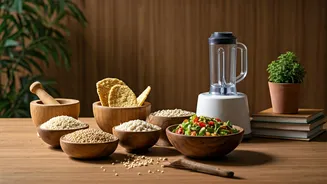
The Hype: Quinoa became the poster child for complete plant-based protein. This “ancient grain” (it’s technically a seed) from the Andes was celebrated for containing all nine essential amino acids. Its global popularity, however, created economic and agricultural issues in its native Bolivia and Peru, sometimes pricing it out of reach for the local populations who depended on it. The Local Hero: Good old-fashioned oats. While not a complete protein on its own, oats are an incredibly nutritious and sustainable crop grown widely across the U.S. They are rich in a type of soluble fiber called beta-glucan, which is fantastic for heart health and managing cholesterol. Combine oats with nuts or seeds (like a classic bowl of oatmeal with walnuts), and you easily create a complete protein profile. Oats are affordable, versatile, and have a much smaller carbon footprint for American consumers. Don't forget other local heroes like barley and farro, which offer robust flavor and immense health benefits.
The Seed Situation: Chia vs. Flax
The Hype: Tiny black chia seeds, originally from Mexico and Guatemala, exploded in popularity for their ability to form a gel in liquid, making them perfect for puddings and smoothies. They are a great source of omega-3 fatty acids, fiber, and protein. But their journey to your pantry is a long one, and their price tag reflects their trendy status. The Local Hero: Flaxseeds. These small, golden-brown seeds have been cultivated for centuries and grow exceptionally well in the northern U.S. and Canada. Flax is one of the richest plant-based sources of ALA, a crucial omega-3 fatty acid. In fact, ground flaxseed is often more potent in this regard than chia. It's also exceptionally high in fiber and lignans, which have antioxidant properties. The key is to buy them whole and grind them yourself to unlock their benefits (and prevent them from passing straight through your system). A giant bag of flaxseeds costs pennies on the dollar compared to an equivalent amount of chia.
Why 'Closer' is Actually Better
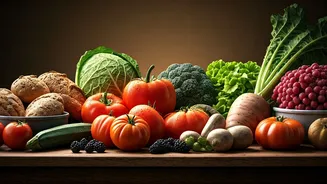
The preference for local isn't just about cost-savings or provincial pride. It’s rooted in simple science and economics. First, there's nutrient degradation. The moment a fruit or vegetable is picked, its nutritional value begins to decline. Vitamins are sensitive to light, heat, and oxygen. An apple picked yesterday from an orchard 20 miles away will be far more nutrient-dense than one that was picked six months ago on another continent, held in cold storage, and shipped across an ocean. Second, there are “food miles.” The carbon footprint of transporting goji berries from Asia or quinoa from South America is significant. Choosing local reduces your personal impact on the environment. Finally, buying local keeps money in your community, supporting small farmers and strengthening the regional food system. It’s a win for your health, your wallet, and your neighborhood.