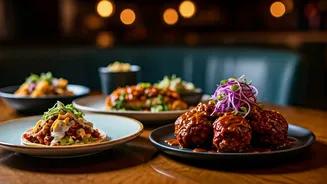




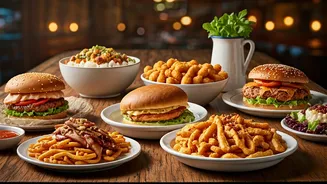
The Deliciously Confusing Menu
Welcome to the era of the regional mashup, a culinary movement where the guardrails of American regional cooking have been gleefully dismantled. This isn't your parents' fusion cuisine, with its delicate, chef-driven attempts to blend pan-Asian flavors
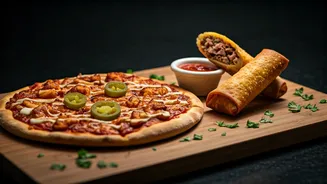
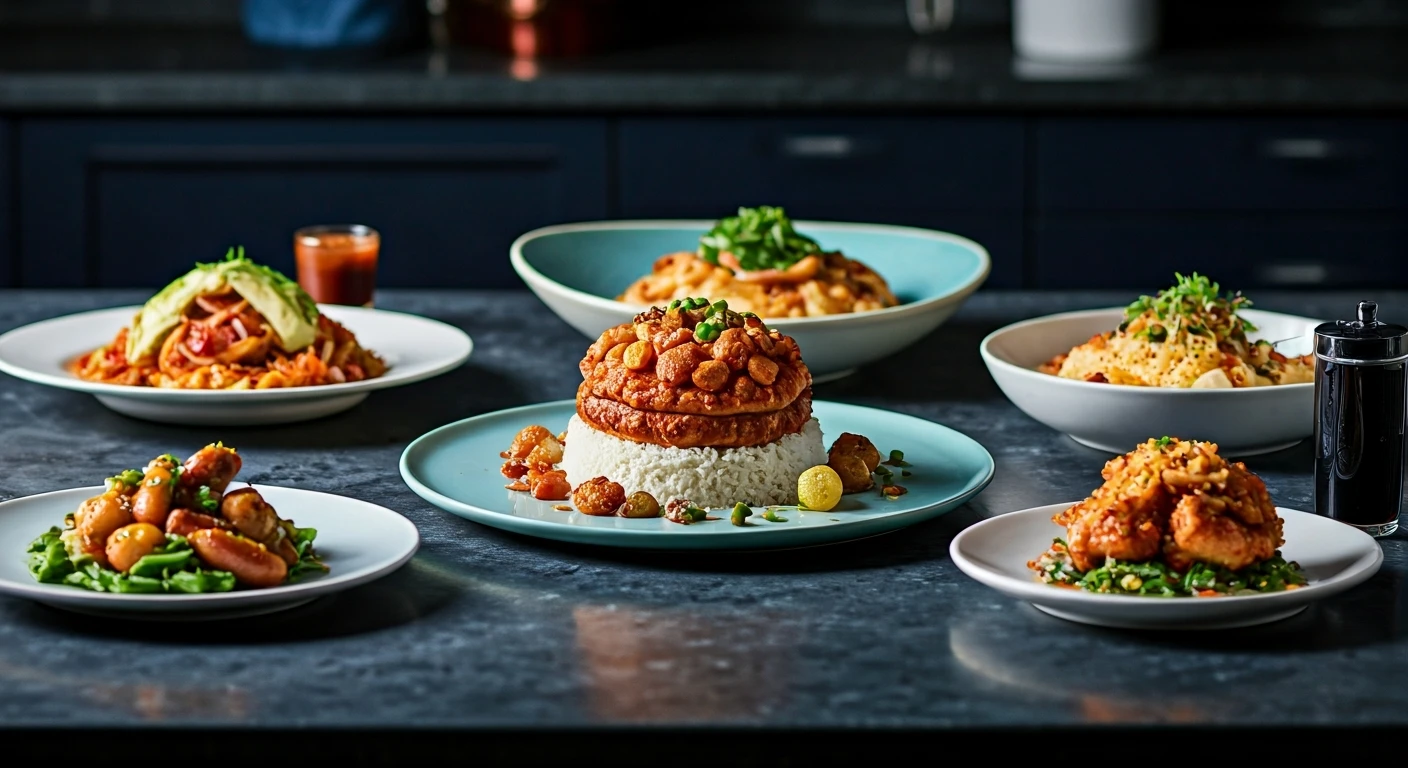
with French techniques. This is bolder, brasher, and often born in the kitchens of neighborhood bars, food trucks, and pizzerias. Think of a classic Detroit-style pizza, but topped with the fixings of a New Orleans muffuletta. Imagine the smoky, vinegary tang of Carolina barbecue stuffed into a fluffy Chinese bao bun. Or consider the existence of Tex-Mex ramen, a dish that combines the comforting depth of Japanese noodle soup with the spicy, smoky notes of birria. These creations are designed to elicit a reaction, a mix of curiosity and slight disbelief. They are culinary clickbait in the best possible way. The goal isn't just to feed you, but to make you talk, to post a picture, and to ask, “Wait, does this actually work?” More often than not, the answer is a resounding, surprising yes.
Why Is This Happening Now?
This trend isn't happening in a vacuum. It’s the edible result of several cultural shifts. First, there's the social media effect. A dish like a cheeseburger-stuffed onion ring is practically engineered for Instagram and TikTok, where visual novelty is king. A short video of a cheese pull from a slice of crab rangoon pizza can travel the globe in hours, driving real-world foot traffic to an otherwise unassuming restaurant. Second, it reflects a new generation of chefs and cooks who grew up in a more culturally blended America. They don't see culinary traditions as sacred, siloed texts. For them, the Italian-American, Mexican-American, and Southern food they grew up with are all just part of one big, delicious American pantry. They see flavor, not borders. This creative freedom is a departure from the strict regional purism that once defined “good” American food, where the slightest deviation from a Texas brisket recipe or a Maine lobster roll was met with suspicion.
A Debate Over Authenticity
Naturally, these mashups spark the “conversation” promised in the headline, and it often centers on one word: authenticity. Is a cheesesteak still a cheesesteak if it’s inside a fried wonton wrapper? Is it an insult to gumbo to put it in a pie crust? The answer depends on who you ask. Purists might call it a gimmick, a bastardization of time-honored recipes. But proponents argue that this is what American food has always done. Tex-Mex, after all, was itself a regional mashup. So was the California roll. American cuisine is a story of immigrants and migrants adapting their food to new ingredients and new neighbors. These modern mashups are simply a hyper-condensed, internet-accelerated version of that same process. They challenge us to expand our definition of authenticity from a rigid set of rules to a more fluid concept rooted in personal history, local context, and, most importantly, deliciousness. The dish might not be “authentic” to Philadelphia or Sichuan, but it is authentic to the specific, multicultural time and place where it was created.
The New American Comfort Food
Ultimately, what makes these dishes more than a fleeting trend is that they tap into a deep-seated desire for comfort, with a modern twist. In a fragmented, often chaotic world, there's something incredibly appealing about combining two things you already love into one new, exciting experience. Nashville Hot Chicken is amazing. So are fried pickles. Putting them together on a pizza isn't sacrilege; it’s a celebration of abundance and pure, unadulterated pleasure. These mashups are not a rejection of tradition but a conversation with it. They acknowledge the greatness of a regional classic while playfully asking, “What if?” They are a testament to the restless creativity that defines American culture at its best. They’re fun, they’re surprising, and they remind us that the rules of cooking, like many rules in life, are often best when broken.