



The Great Green Rebirth
Imagine a vast, ancient mountain range—older than the Himalayas—stretching down the western coast of India. In the dry season, the hillsides can be a palette of ochre, brown, and muted green. But as the monsoon rolls in from the Arabian Sea, typically
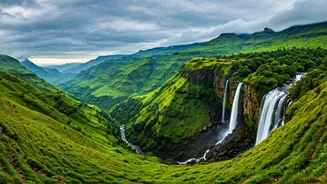
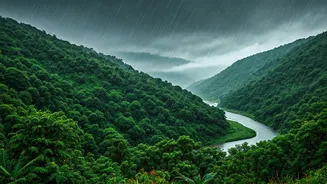
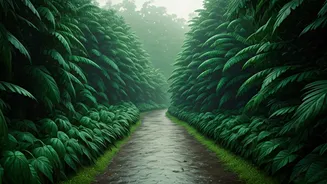
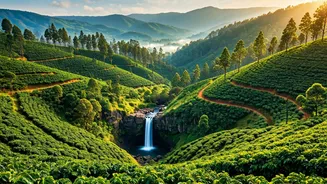
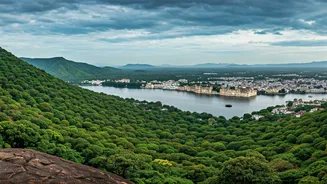
from June to September, the entire ecosystem undergoes a radical rebirth. The transformation is not gradual; it’s a full-scale takeover. Within weeks, every inch of the landscape is draped in an impossible spectrum of green. Parched earth becomes a sponge, and dormant seeds and bulbs spring to life, carpeting the ground with fresh foliage. This isn't just rain; it's the trigger for one of the planet's most spectacular seasonal makeovers, turning the region into a vibrant, living emerald.
A Symphony of Water
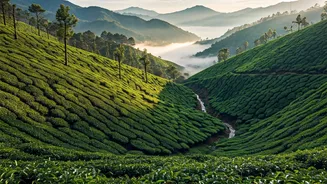
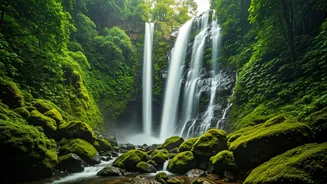
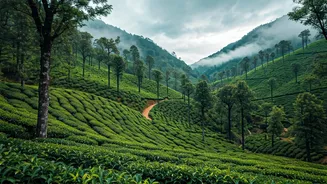
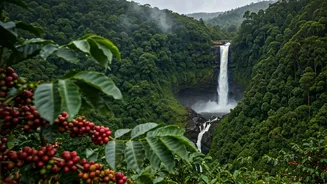
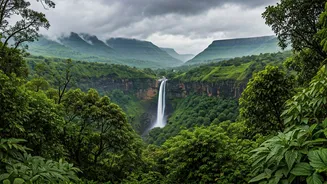
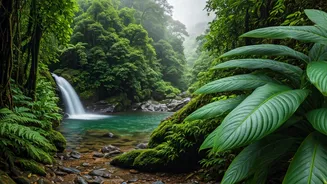
The “peak aesthetic phase” is driven by water. The monsoon doesn’t just water the plants; it completely resculpts the scenery. Hills that were silent for months suddenly roar with life as thousands of temporary waterfalls cascade down their slopes. Rivulets carve new paths through the forest floor, and placid rivers swell into powerful currents. Perhaps most iconic is the mist. The valleys and tea plantations of famous hill stations like Munnar in Kerala or Coorg in Karnataka become shrouded in a thick, moving fog. This ethereal blanket of white drifts through the trees, obscuring and then revealing dramatic vistas. It creates a sense of mystery and intimacy, muffling sound and focusing the eye on the hyper-saturated colors of the flora right in front of you. Driving or hiking through these areas becomes a journey through the clouds.
More Than Just a Pretty View
While visually stunning, the Western Ghats are far more than a seasonal attraction. They are a UNESCO World Heritage Site and one of the world's eight “hottest hotspots” of biological diversity. This mountain range, though less famous internationally than the Himalayas, is a critical regulator of India's climate and the source of its most important rivers. The monsoon's arrival is the lifeblood of this entire ecological engine. It sustains a breathtaking array of life, including hundreds of species of plants, birds, amphibians, and mammals found nowhere else on Earth. The lushness you see is the visible sign of a complex, interdependent system at work—a system that provides clean water and air for millions of people. Understanding this context elevates the view from merely beautiful to profoundly significant.
The Culture of the Monsoon
For the people who live in and around the Ghats, the monsoon is a season of both challenge and celebration. While the intense rains can lead to landslides and disrupt daily life, the season is deeply embedded in the local culture. It’s a time for specific foods—hot, fried snacks and steaming cups of chai are essentials while watching the downpour. It’s a season that encourages a slower pace of life, a time for introspection and staying indoors with family. In agriculture, the rains are a blessing that dictates the rhythm of planting and harvesting. For travelers, it offers a different kind of tourism. Instead of sunny beaches, you get cozy fireplaces in hillside resorts, the meditative sound of rain on the roof, and the simple, profound joy of watching a landscape come alive. It’s a sensory experience that engages more than just sight; it’s the smell of wet earth, the cool air, and the constant, soothing soundtrack of falling water.