


It’s an Adventure, Not a Restriction
The magic of the library isn't just about what it has; it's about what it represents. When you announce a trip to the library, you’re not taking something away (an iPad, a phone, a video game). You’re offering something new: an outing. This simple framing
shift is crucial. Instead of enforcing a rule—“No more screens!”—you’re proposing an activity. The destination itself is the draw, not the absence of technology. Kids are naturally curious, and the library is a building literally filled with doorways to other worlds. The focus moves from the negative space of what’s forbidden to the positive allure of exploration and discovery. It transforms a potential power struggle at home into a shared adventure out in the world.
The Power of Choice
One of the biggest reasons screen-free mandates fail is that they remove a child’s sense of autonomy. Being told to turn off a device feels disempowering. A library, however, is a kingdom of choice. Do you want a book about dinosaurs or deep-sea creatures? A graphic novel or a ghost story? Should we find a cozy corner to read, or see if there’s a puzzle to do? This environment hands the reins back to the child in a managed, positive way. By letting them browse the shelves, pick their own books, and decide what to check out, you empower them. They are in control of their own entertainment. This sense of agency makes the experience feel self-directed and enjoyable, rather than like a chore dictated by a parent. It’s a subtle but powerful psychological shift that makes all the difference.
More Than Just Books
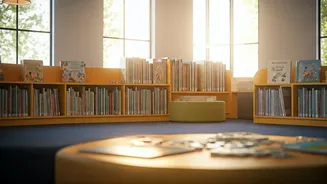
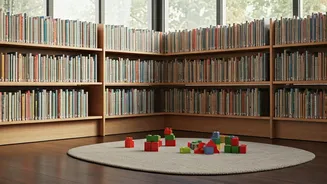
If you haven’t been to a public library in a while, you might be surprised. Today’s libraries are vibrant community hubs that have evolved far beyond silent stacks of books. Many offer a robust schedule of free programming specifically designed to engage children and teens without a screen in sight. You’ll find toddler story times with songs and puppets, LEGO building clubs, teen coding workshops (using library computers for a purpose-driven task), and even “maker spaces” with 3D printers and craft supplies. Some libraries loan out STEM kits, musical instruments, and bird-watching backpacks. It’s a passive, pressure-free way to expose kids to new hobbies and interests. They can dabble in something new without the commitment or cost of signing up for a formal class, making the library a low-stakes incubator for curiosity.
A 'Third Place' Without a Price Tag
Sociologists talk about the importance of “third places”—locations outside of home and work (or school) where people can gather and build community. For many families, these places, like cafes or indoor play gyms, come with a cost. The library is one of the last truly free third places. There’s no pressure to buy anything. You can stay for ten minutes or three hours. This creates a relaxed atmosphere where the goal isn't consumption, but simply being. It’s a quiet, calm-down space after a hectic school day or a neutral zone to spend a rainy Saturday. For parents, it offers a moment of peace; for kids, it provides a change of scenery that doesn't overstimulate. The shared, quiet hum of a library fosters a sense of community and shared purpose, reminding us all how to exist in a space together.