




The Era of Food Villains
Remember the whiplash? In the 1990s, the “low-fat” craze had us stocking our pantries with SnackWell's cookies and other highly processed foods, believing we were making the healthy choice simply because the fat content was low. We stripped egg yolks
from our omelets and banished butter in favor of margarine. Then, the pendulum swung hard. Suddenly, fat—even the saturated kind—wasn't the ultimate evil. The new villain was sugar, followed swiftly by its accomplice, carbohydrates. The Atkins and Keto diets rose to prominence, demonizing bread, fruit, and pasta. Each wave of advice created a new “food villain”—an ingredient or macronutrient to be feared and eliminated at all costs. This approach fostered an all-or-nothing mentality. Foods were either “good” or “bad,” “clean” or “toxic.” This binary thinking created a culture of restriction, guilt, and anxiety, where eating a slice of birthday cake felt like a moral failing.
Why the Panic Model Failed
The core problem with panic-based nutrition is that it’s simply not sustainable. Extreme restriction often leads to a cycle of deprivation, craving, and eventual binging—a phenomenon many dietitians call the “restrict-binge cycle.” When you tell yourself you can *never* have a cookie again, that cookie becomes the only thing you can think about. This psychological toll is significant. Constant food anxiety, guilt, and the social isolation that comes with hyper-restrictive diets can be more detrimental to overall well-being than the occasional “forbidden” food itself. Furthermore, science has become more nuanced. We now understand that not all fats or carbs are created equal. The healthy fats in avocados and olive oil are vital for brain health, while the complex carbohydrates in whole grains provide essential fiber and energy. Vilifying entire food groups ignores this complexity and often leads to nutrient deficiencies. People grew tired of the endless, contradictory rules and the feeling of failure when they couldn't adhere to them perfectly.
The New Philosophy: Addition Over Subtraction
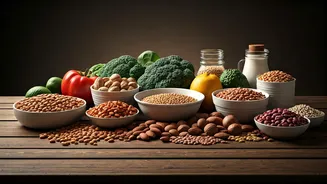
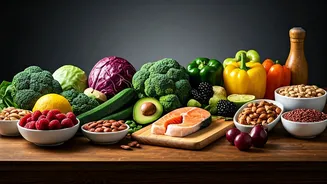
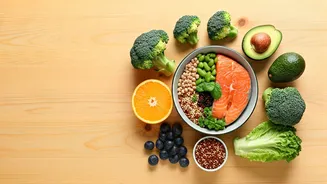
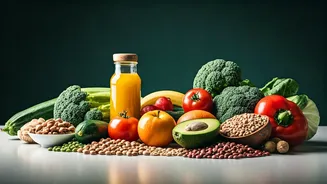
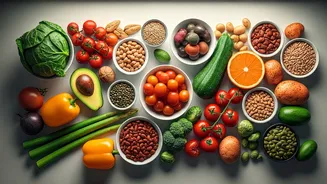
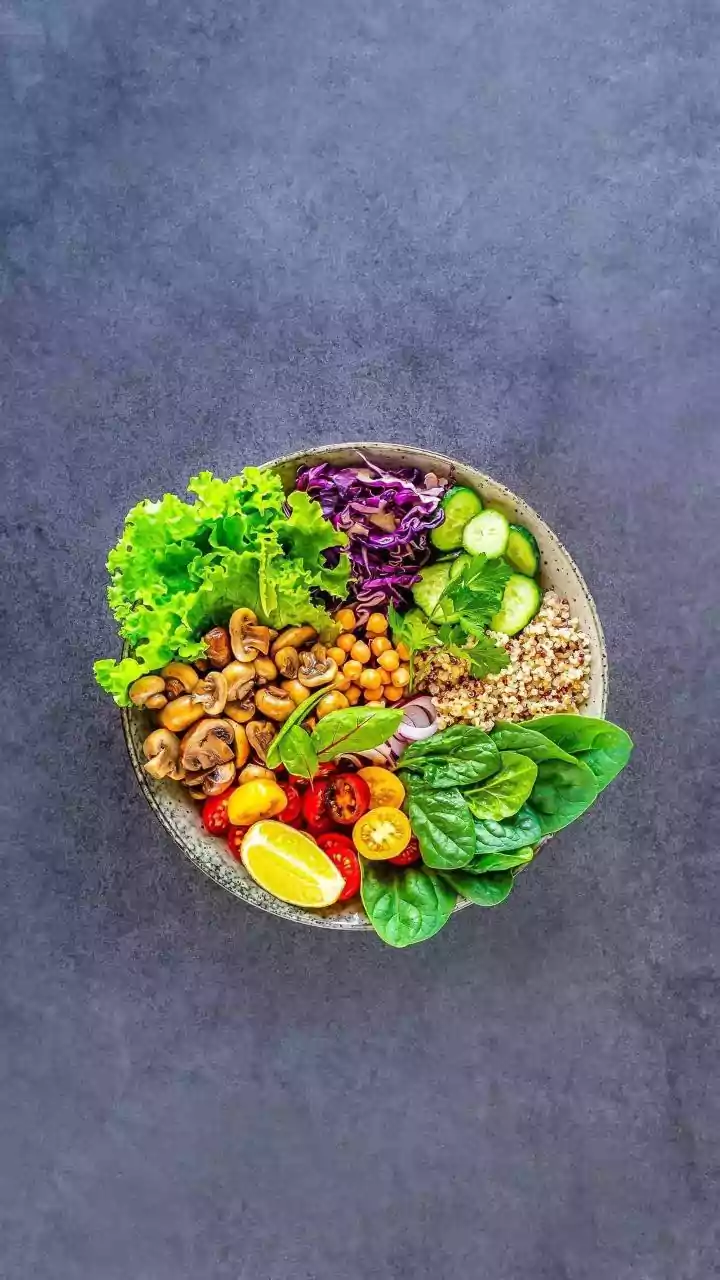
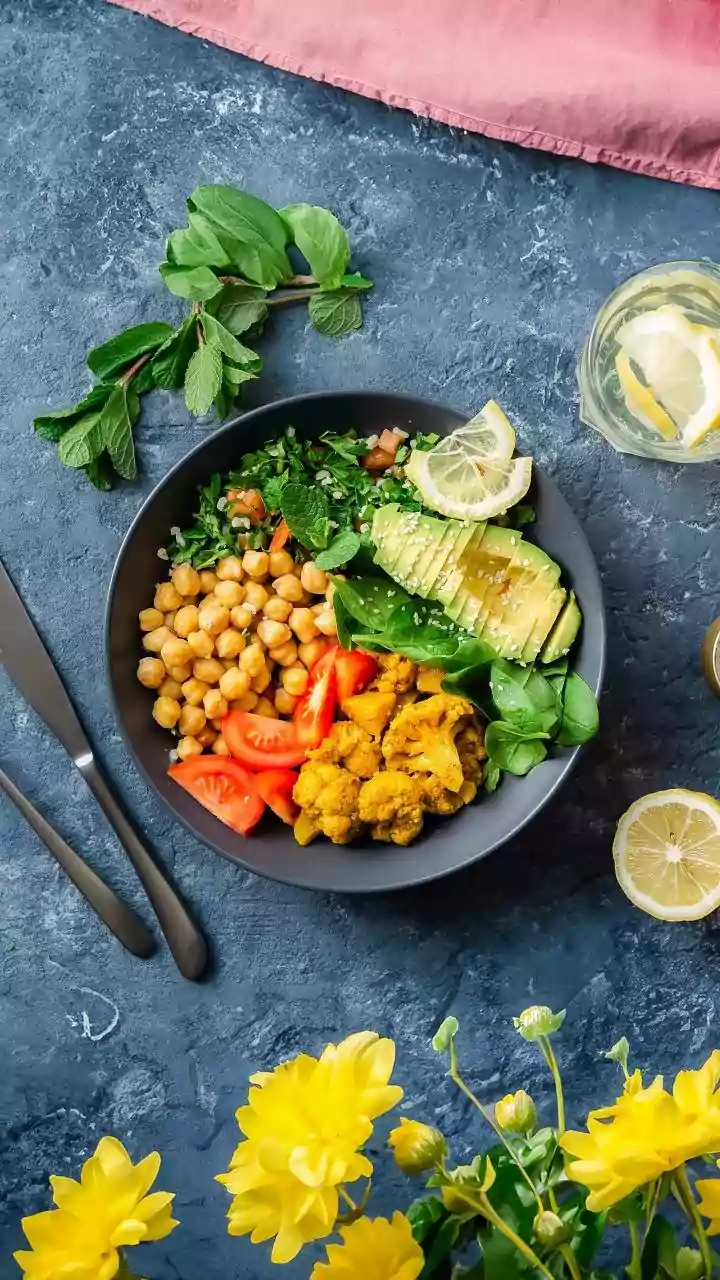
The emerging consensus among many registered dietitians and health experts is a move away from rigid elimination and toward a more inclusive, flexible approach. Often summarized by phrases like “all foods fit” or “food freedom,” this philosophy focuses on what you can *add* to your diet, not just what you should subtract. Instead of banning dessert, the focus is on adding more fruits, vegetables, and whole grains throughout the day. This “addition” mindset naturally crowds out less nutrient-dense foods without creating a sense of deprivation. It emphasizes dietary patterns over individual ingredients. A single meal or snack doesn't make or break your health; it's the overall pattern of your eating habits over weeks and months that truly matters. This approach also reclaims the joy of eating. It encourages listening to your body’s hunger and satiety cues—a practice known as intuitive eating—and allows for mindful indulgence without the subsequent guilt.
What This Shift Means for You
This evolution in nutrition advice is empowering. It releases you from the prison of diet culture and gives you permission to trust yourself. Instead of searching for the next magic-bullet diet or list of forbidden foods, you can focus on building habits that feel good and last a lifetime. For the average American, this means less stress at the grocery store and in the kitchen. It means you can enjoy a piece of pizza with your family without feeling like you've derailed your health goals. The goal is no longer a perfect, “clean” diet, but a resilient, nourishing one that supports both physical and mental health. The focus is shifting from weight as the sole indicator of health to a broader view that includes energy levels, sleep quality, mental clarity, and a positive relationship with food. It’s about consistency, not perfection.