

The Annual Urban Exodus
For residents of sprawling Indian metropolises like Mumbai, Pune, and Bangalore, the arrival of the summer monsoon is more than just a change in weather; it’s a cue. As the first rains douse the sweltering plains, a collective impulse takes hold. It’s
the call of the mountains—specifically, the Western Ghats, a majestic range that runs parallel to India’s western coast. Cars are gassed up, weekend bags are packed, and an annual pilgrimage begins. They are escaping the 'concrete heat,' a term that perfectly captures the oppressive, stuffy atmosphere of a city baking under its own density. The destination isn't a sunny beach but its exact opposite: a landscape drenched in rain, shrouded in fog, and bursting with a kind of raw, untamed life that feels a world away from urban routine.
A UNESCO-Listed Natural Wonder
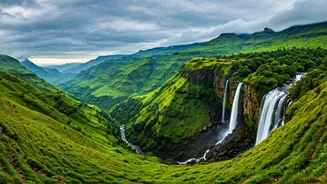
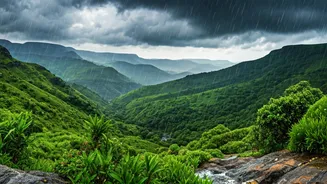
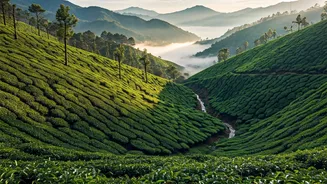
So, what are the Western Ghats? For an American audience, think of them as India’s Sierra Nevada or Appalachian Mountains, but with a tropical, monsoon-driven twist. This chain of mountains, older than the Himalayas, is a UNESCO World Heritage Site and one of the world's most critical biodiversity hotspots. Stretching over nearly 1,000 miles, they act as a massive natural barrier, intercepting the moisture-laden monsoon winds blowing in from the Arabian Sea. The result is a spectacular display of meteorological force. The western slopes receive torrential rainfall, feeding countless rivers and creating an explosion of life. What might be dry, brownish hills for eight months of the year transform, almost overnight, into a surreal, emerald-green wonderland.
An Immersion for the Senses
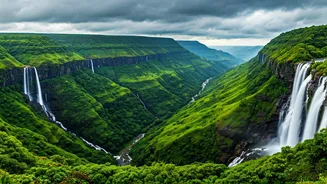
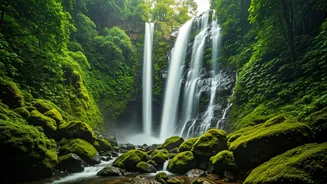
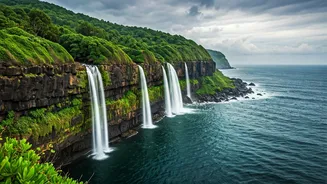
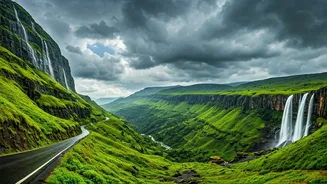
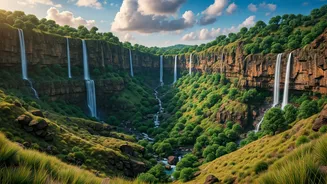
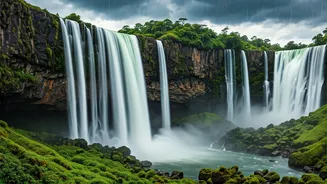
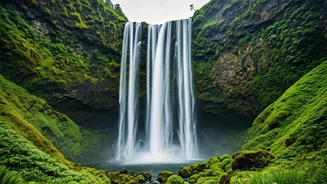
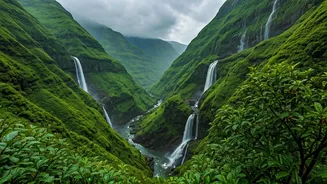
Experiencing the Ghats during the monsoon is less a sightseeing tour and more a full-body sensory immersion. The visual is the most obvious: a landscape saturated in shades of green you never knew existed. Low-hanging clouds drift through valleys and cling to cliffs, creating a moody, ethereal atmosphere. Temporary waterfalls, born from the downpour, cascade over nearly every rock face, their white foam a stark contrast to the dark, wet stone. Then there's the sound. It’s a constant, soothing symphony of falling rain, punctuated by the roar of a distant waterfall, the chorus of frogs, and the chirping of unseen insects. The air itself feels different—clean, cool, and thick with the earthy fragrance of petrichor, the specific, beloved scent of rain hitting dry soil.
The Ritual of the Road Trip
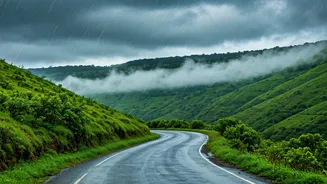
The journey is as much a part of the experience as the destination. The quintessential Ghats monsoon trip is a road trip. People drive for hours along winding mountain roads, windows often rolled down to let in the misty spray. The goal isn’t necessarily to get somewhere quickly but to savor the transformation. Roadside stalls, or 'dhabas,' do a roaring trade, serving up the unofficial uniform of the monsoon traveler: steaming cups of spiced 'chai' (tea) and plates of hot, crispy 'pakoras' (vegetable fritters). It’s a simple, perfect pleasure—huddling under a tin roof, watching the rain fall, and biting into something warm and savory. It’s a ritual that connects friends, families, and strangers, all united in their appreciation for this seasonal spectacle. It’s not about luxury; it’s about authenticity and the joy of embracing the weather, not just enduring it.