






From Kibble to Keto-Adjacent
Not long ago, feeding your dog was simple. You bought a big bag of kibble, filled the bowl, and called it a day. But in the last decade, a seismic shift has occurred, mirroring the changes in our own grocery aisles. The wellness boom that gave us paleo,
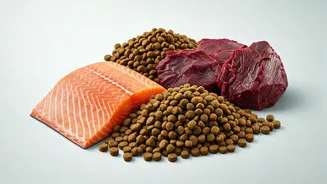
keto, and a collective suspicion of gluten has finally, and perhaps inevitably, come for our canines. The trend began with the 'grain-free' movement, which positioned corn, wheat, and soy as cheap 'fillers' to be avoided. This created a new class of premium dog foods. But now, that's just the baseline. The new frontier is protein. Walk down the pet food aisle and you'll see bags boasting bison, venison, duck, and wild-caught salmon. Fresh food subscriptions deliver pre-portioned, 'human-grade' meals that look suspiciously like your own healthy lunch. This isn't just about nutrition; it's about aspiration. It's a statement.
The Rise of the 'Pet Parent'
So, why are we suddenly treating our dogs like elite athletes with a team of personal chefs? The answer lies in the 'humanization' of our pets. For a growing number of Americans, especially Millennials and Gen Z, dogs aren't just pets; they're 'fur babies,' integral members of the family. We buy them birthday cakes, create Instagram accounts for them, and worry about their emotional well-being. It only follows that we'd obsess over their diet, too. Feeding your dog a high-protein, ingredient-conscious diet is a tangible act of love. It’s a way to feel like a responsible, attentive 'pet parent.' In an uncertain world, controlling what goes into Fido's bowl provides a sense of accomplishment. And let's be honest, there’s a social component. When someone asks what you feed your dog, saying 'a bespoke blend of freeze-dried raw quail' is a bigger flex than 'whatever was on sale.' It signals care, financial stability, and alignment with modern wellness values.
What Do Veterinarians Say?
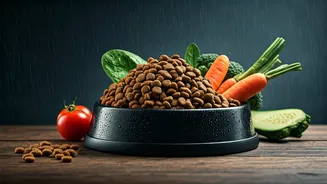
While serving your pup a beautiful bowl of braised beef and carrots feels good, veterinarians urge a more nuanced approach. Protein is, without a doubt, a crucial nutrient for dogs. It builds muscle, supports immune function, and provides energy. However, 'more' isn't always 'better.' A dog’s protein needs vary dramatically based on age, breed, activity level, and health status. A growing puppy or a highly active working dog has different requirements than a sedentary senior dog. In fact, for older dogs or those with kidney issues, an excessively high-protein diet can be harmful. Vets also point out that the marketing often outpaces the science. Terms like 'human-grade' are not officially regulated by pet food authorities in the same way human food is. Furthermore, the focus on exotic proteins and grain-free formulas has a complex history, including an ongoing FDA investigation into a potential link between certain 'boutique' diets and a heart condition called dilated cardiomyopathy (DCM). The consensus from the veterinary community is clear: a balanced, complete diet from a reputable manufacturer is more important than any single trendy ingredient.
Reading the Bowl, Not Just the Label
Instead of getting caught up in the protein arms race, experts suggest focusing on the actual animal in front of you. A healthy dog has a shiny coat, good energy levels, healthy digestion, and an ideal body condition (you should be able to feel their ribs, but not see them). These are the true indicators of a successful diet, not a beautiful ingredient list. When choosing a food, the best first step is to consult your veterinarian. They can help you cut through the marketing noise and recommend a diet that meets your specific dog's life stage and health needs. They can also help you understand AAFCO (Association of American Feed Control Officials) statements on the bag, which ensure the food is formulated to be complete and balanced. The flex isn't in buying the most expensive food; it's in making the most informed choice for the companion who depends on you.