






The Science of a Strategic Snip
To a plant, cutting seems like an attack. So why does it help? The answer lies in how plants direct their energy. Most plants exhibit something called “apical dominance,” where a primary hormone called auxin is produced at the very tip of a main stem.
This hormone tells the plant to grow tall and fast, often suppressing the growth of side shoots and, by extension, more flowers. When you snip off that dominant tip, you interrupt the flow of auxin. The plant, no longer focused on upward growth, redirects its energy to the side shoots. These dormant buds awaken, creating a fuller, bushier plant with more branches—and therefore, more sites for flowers to form. This simple act of trimming essentially tricks the plant into abandoning its single-minded vertical mission in favor of a more robust, bloom-heavy structure.
Deadheading: The Quick Win for More Blooms
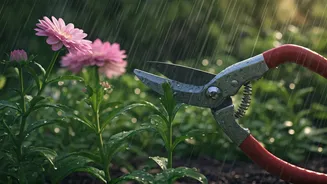
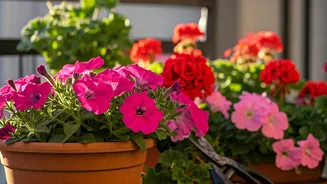
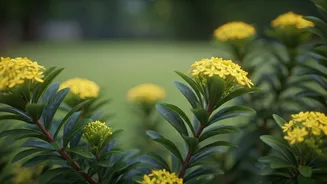
The easiest and most frequent type of trimming is deadheading. This is the simple practice of removing flowers as soon as they start to fade. A plant's ultimate goal is to reproduce, which means creating seeds. Once a flower is pollinated and begins to wilt, the plant pours its energy into developing that seed head. By snipping off the spent bloom before it goes to seed, you halt this process. The plant, still driven by its reproductive instinct, thinks, “Well, that didn't work. I’d better make another flower.” For annuals like marigolds, zinnias, and petunias, and perennials like coneflowers and salvias, regular deadheading is the key to continuous blooming throughout the season. Just pinch or snip the stem below the faded flower, ideally down to the first set of healthy leaves.
Pruning: Shaping for Health and Vigor
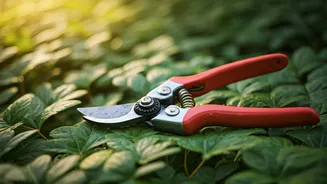
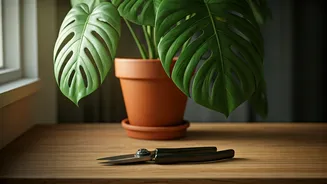
While deadheading is about encouraging more flowers, pruning is about managing the plant's overall health, size, and shape. This is a more significant cut, involving the removal of entire branches or large sections of the plant. Pruning accomplishes several goals at once. It improves air circulation through the plant's center, which is crucial for preventing fungal diseases like powdery mildew. It allows you to remove any dead, damaged, or crossing branches that are wasting the plant's resources or could create wounds. Finally, it helps maintain a desirable size and shape, preventing a shrub from overwhelming its neighbors or becoming a tangled mess. A well-pruned plant is a stronger, healthier plant that can better support a spectacular floral display.
The Golden Rule of Timing
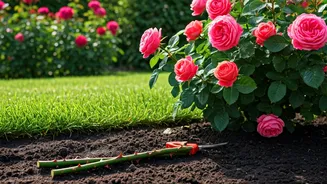
Knowing when to prune is just as important as knowing how. Cutting at the wrong time can mean sacrificing a whole season of flowers. The general rule is simple: for plants that bloom in the spring (like lilacs, forsythia, and rhododendrons), prune them immediately *after* they finish flowering. These plants form their flower buds on “old wood” from the previous year, so pruning them in late winter would remove all of your spring blooms. For plants that bloom in the summer and fall (like hydrangeas, butterfly bushes, and roses), prune them in late winter or early spring *before* new growth begins. These plants bloom on “new wood” grown during the current season, so pruning them early encourages a vigorous flush of new stems that will carry that summer’s flowers.