

From Gifting Box to Cafe Counter
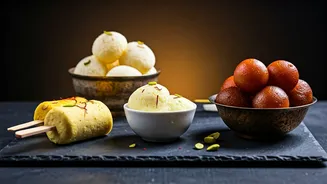
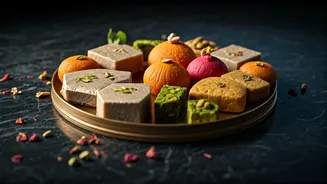
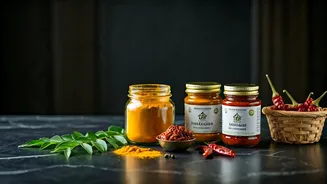
For generations of South Asians in the U.S., mithai has been synonymous with celebration. These intricate sweets, often made from milk solids, sugar, flour, nuts, and fragrant spices like cardamom and saffron, are traditionally exchanged during holidays
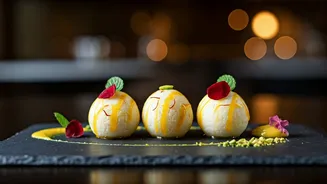
like Diwali or Eid, or at weddings and births. Names like gulab jamun (syrup-soaked dough balls), jalebi (crispy, syrup-soaked spirals), and barfi (a dense, milk-based fudge) evoke a sense of community and tradition. But they were typically found in specialty sweet shops, packed into colorful boxes for takeaway, not served in a sit-down cafe setting. Now, a new generation of entrepreneurs is taking mithai out of the box and placing it onto the cafe menu. They are deconstructing the dense, intensely sweet originals and borrowing their soul—the unique flavor profiles—to create something entirely new. It’s a shift from dessert as a formal gift to dessert as a casual, everyday indulgence.
The Deliciously Creative Fusions
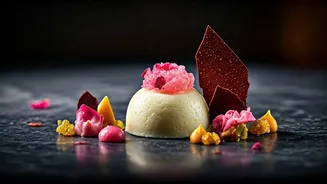
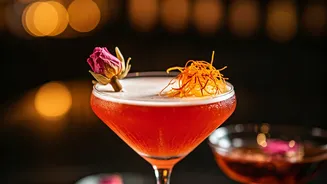
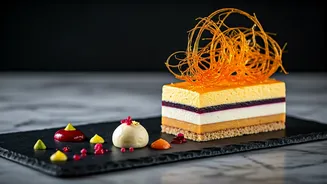
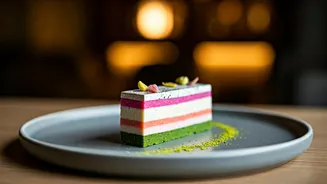
The magic of these cafes lies in their creative mashups. Imagine a classic Italian tiramisu, but instead of coffee, the ladyfingers are soaked in the sweet, milky, cardamom-scented liquid from ras malai. Or a New York-style cheesecake with a base of crushed pistachios and a creamy filling swirled with the flavors of gulab jamun, topped with a delicate rose syrup. This is where the trend truly comes alive. Beverages are getting the same treatment. The standard latte is being elevated with notes of saffron or cardamom. Cold brews are infused with jaggery, a traditional unrefined sugar, for a complex sweetness. You might find a mango lassi, a classic yogurt drink, reimagined as a creamy soft-serve ice cream. These aren't just novelties; they are thoughtfully crafted items that bridge two culinary worlds, offering a familiar format with an exciting, unexpected twist. It’s a way to introduce the uninitiated to South Asian flavors in an accessible way while giving those who grew up with them a nostalgic, yet novel, experience.
More Than Just Sweets, It's a Vibe
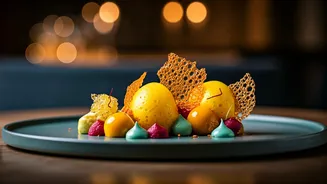
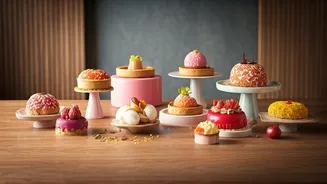
Part of what makes these new establishments so much “fun” is the atmosphere. These are not the humble, functional sweet shops of the past. They are chic, modern, and designed for the social media age. Think neon signs with witty Hindi or Urdu phrases, pastel-colored walls, sleek marble countertops, and beautifully plated desserts that demand to be photographed before being eaten. These cafes are designed as social hubs—places to meet a friend for chai and cake, to work on a laptop, or to go on a date. They are creating a third space for a younger generation that is as much about the aesthetic and the community as it is about the food. By building beautiful, welcoming environments, these businesses are reframing mithai-inspired flavors as part of a cool, contemporary lifestyle.
A Taste of Third-Culture Identity
Ultimately, this trend is a story of cultural identity. Many of these cafes are founded by second- or third-generation South Asian Americans who grew up between two cultures. They are not simply replicating their parents' recipes; they are innovating on them, creating a cuisine that reflects their own hybrid experience. It’s a confident declaration that their heritage can evolve without being diluted. These entrepreneurs are building brands that feel both authentically South Asian and authentically American. They are moving past the pressure to be “traditional” and are instead asking, “What’s next?” They are crafting a narrative on their own terms, and the delicious results are finding a broad, enthusiastic audience. These cafes aren't just selling dessert; they're selling a story of evolution, creativity, and belonging.