




The Hidden Problem in Every Pot
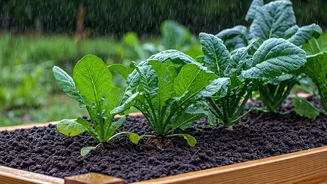
You’ve done everything right. You bought a beautiful pot, ensured it had drainage holes, and filled it with high-quality potting mix. So why, after a heavy rain or an enthusiastic watering, do your plants still look sickly and waterlogged? The culprit
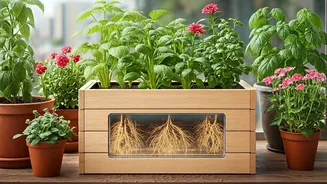
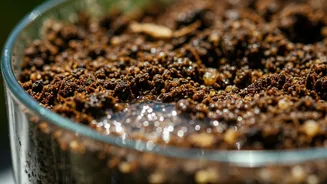
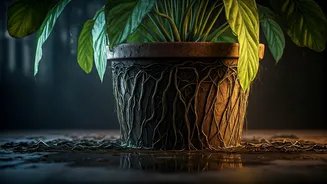
is a sneaky phenomenon known as a “perched water table.” In simple terms, even with drainage holes, the soil at the very bottom of a pot can become completely saturated. The fine particles of the soil create surface tension that essentially holds a layer of water in place, preventing gravity from pulling it out through the holes. This stagnant, oxygen-deprived zone is a breeding ground for fungi and the primary cause of root rot, one of the most common killers of container plants. Your drainage holes aren’t failing; the physics of water in a confined space is working against you.
Why a Simple Tilt Is the Answer
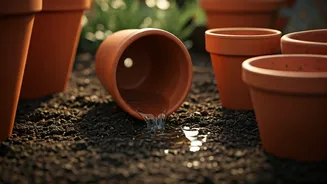
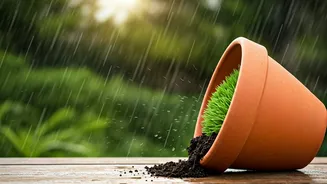
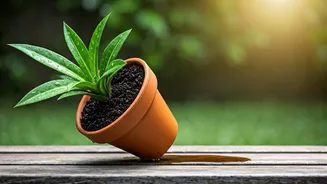
This is where the magic of the tilt comes in. By propping up one side of your pot, you fundamentally change its drainage dynamics. Tilting the pot effectively lowers the height of the drainage hole relative to the saturated soil layer inside. Instead of water needing to overcome the surface tension across the entire flat bottom of the pot, it now has a single, low point to escape from. Gravity can now pull the water toward this new, accessible exit. This simple adjustment breaks the perched water table, allowing excess water that was previously trapped to flow out freely. It’s a remarkably effective solution that costs nothing and requires no special equipment, just a basic understanding of how water behaves.
A Practical Guide to Tilting
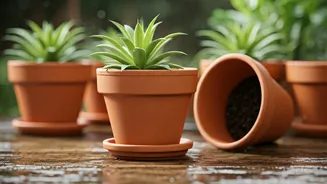
Putting this trick into practice is incredibly easy. You don’t need a dramatic, precarious angle; a slight tilt is all it takes. Find a small, sturdy object to use as a wedge. A spare brick, a flat stone, a small piece of scrap wood, or even a couple of paint stirrers will work perfectly. Simply lift one edge of your pot and slide the wedge underneath. For a more permanent and aesthetically pleasing solution, you can purchase “pot feet” or specialized pot risers from any garden center. These small supports, often made of terracotta or durable plastic, lift the entire pot slightly off the ground while providing the same drainage benefits. The key is stability. Ensure the pot is secure and won't be easily knocked over, especially for larger, heavier containers on a windy patio or deck.
Benefits Beyond Rainstorms
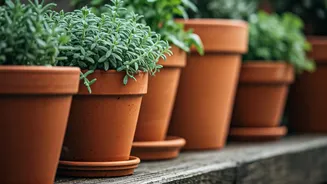
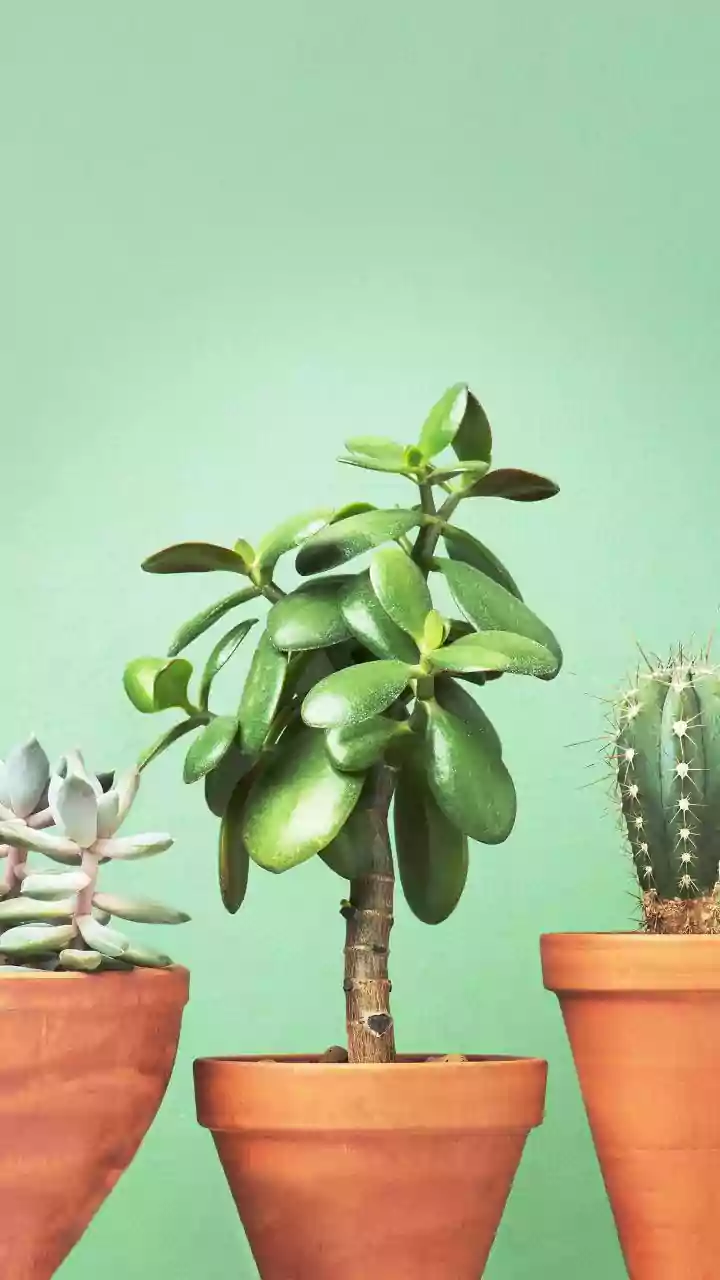
While this technique is a lifesaver during the rainy season, its benefits extend to your everyday watering routine. Many gardeners, especially beginners, have a tendency to overwater. Tilting your pots can provide a valuable buffer against this common mistake. By ensuring that excess water always has an easy escape route, you create a healthier environment for your plant's roots year-round. Healthier roots mean a more robust, resilient plant that is better able to withstand stress from heat, pests, and disease. Think of it not just as a reactive measure for rain, but as a proactive step toward better container gardening. It’s particularly useful for plants that are notoriously sensitive to “wet feet,” such as succulents, lavender, rosemary, and many Mediterranean herbs.
When You Might Not Need to Tilt
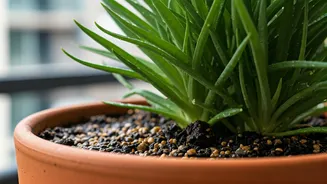
Is tilting always necessary? Not always. If you use an extremely coarse, fast-draining potting mix (like those designed for cacti or orchids), you may already have sufficient drainage. Likewise, plants that thrive in consistently moist or boggy conditions, like canna lilies or marsh marigolds, won't benefit from the extra drainage and may even suffer. The material of the pot also plays a role. Unglazed terracotta pots are porous and allow water to evaporate through their walls, which naturally helps soil dry out faster than it would in a plastic or glazed ceramic container. The best approach is to observe your plants. If you notice soil staying soggy for days after watering or see signs of stress after rain, tilting is an excellent, low-risk strategy to try.