
Beyond Butter Chicken and Hakka Noodles
For decades, “international food” in Mumbai largely meant two things: a British colonial version of ‘Continental’ cuisine or the beloved, Indian-adapted Hakka Chinese. Today, that landscape is unrecognizable. The city's bustling neighborhoods, from the heritage
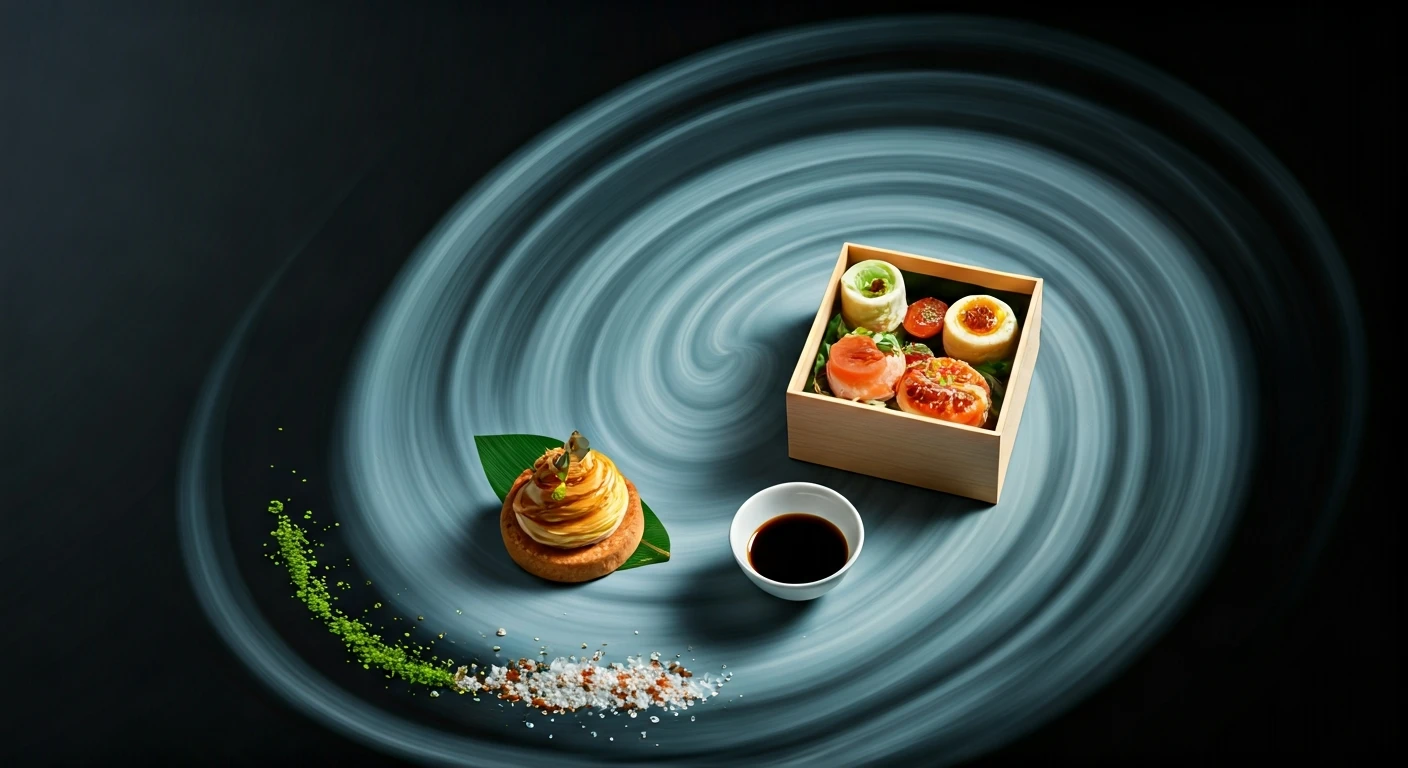
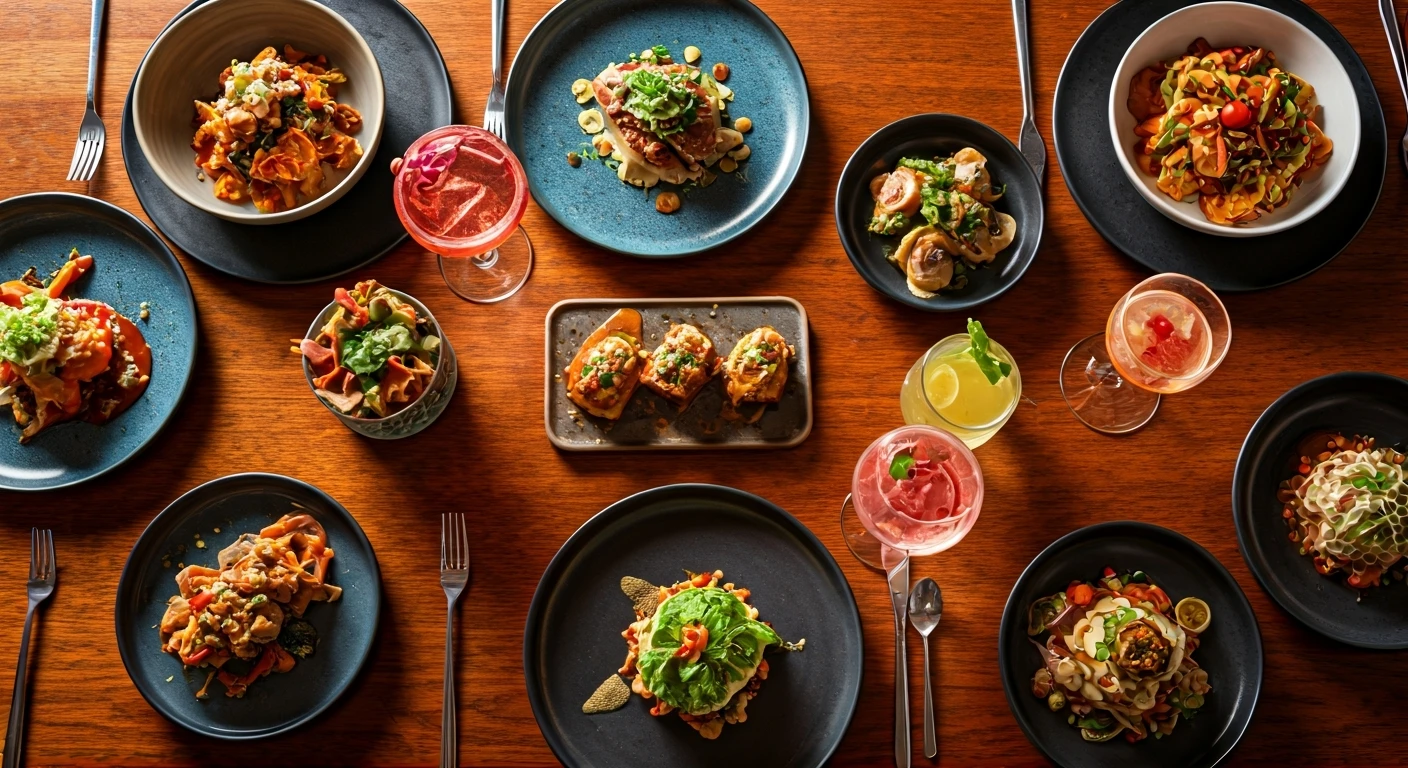
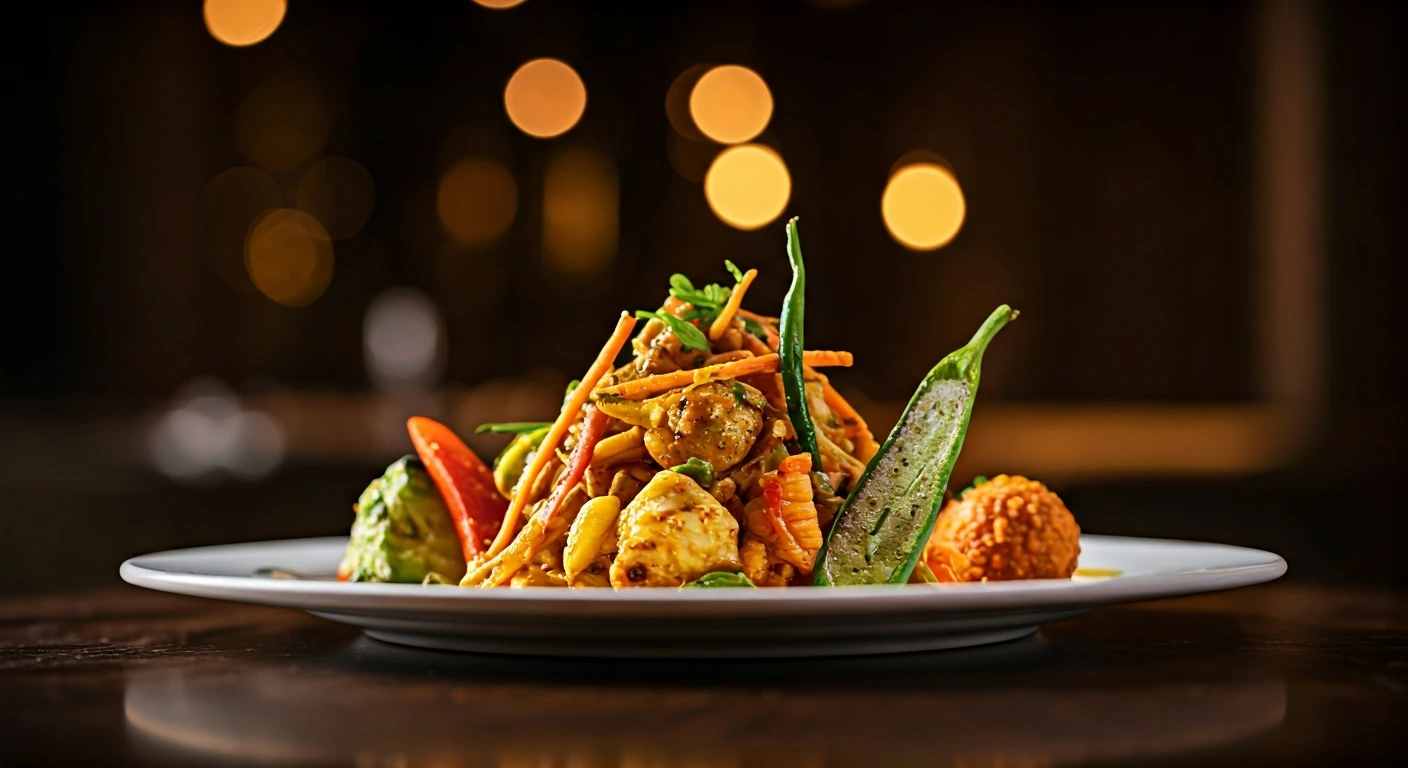
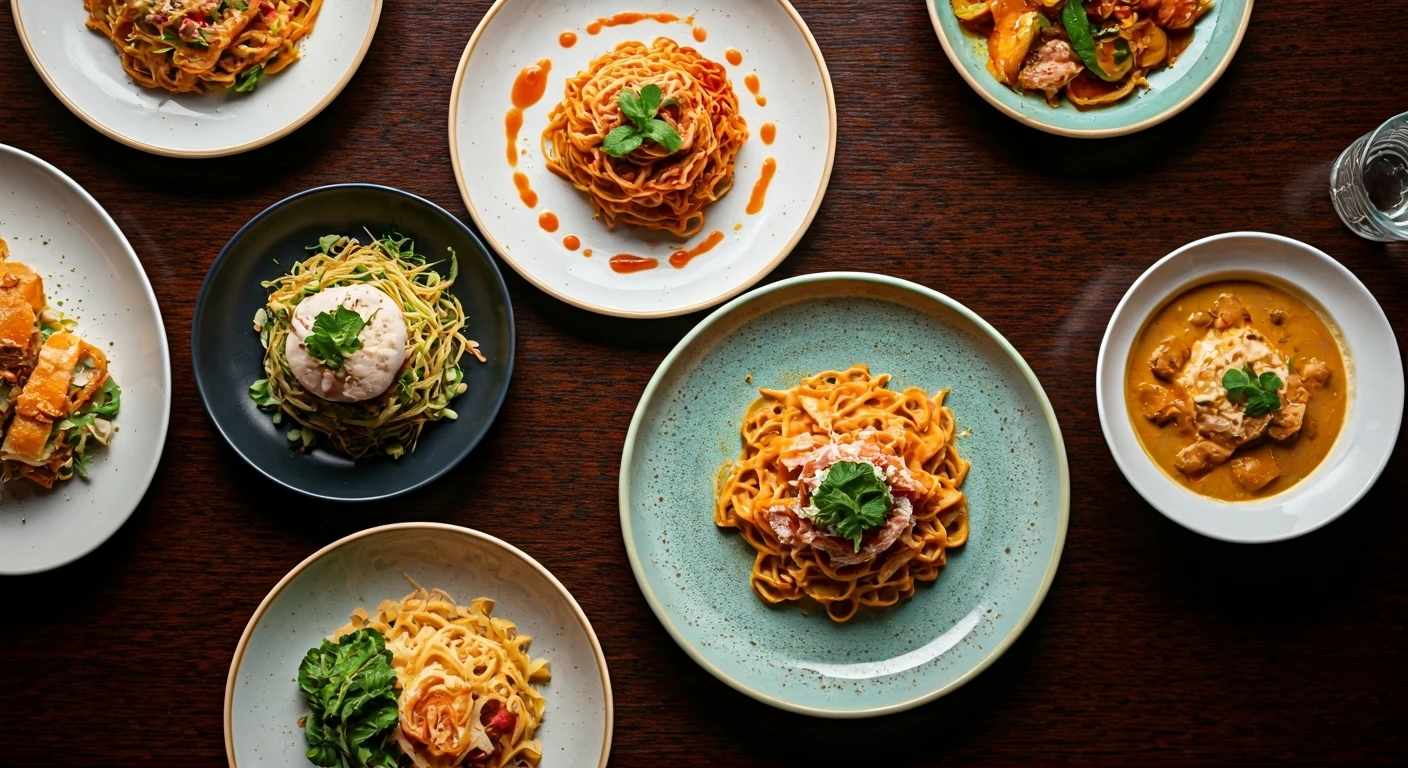
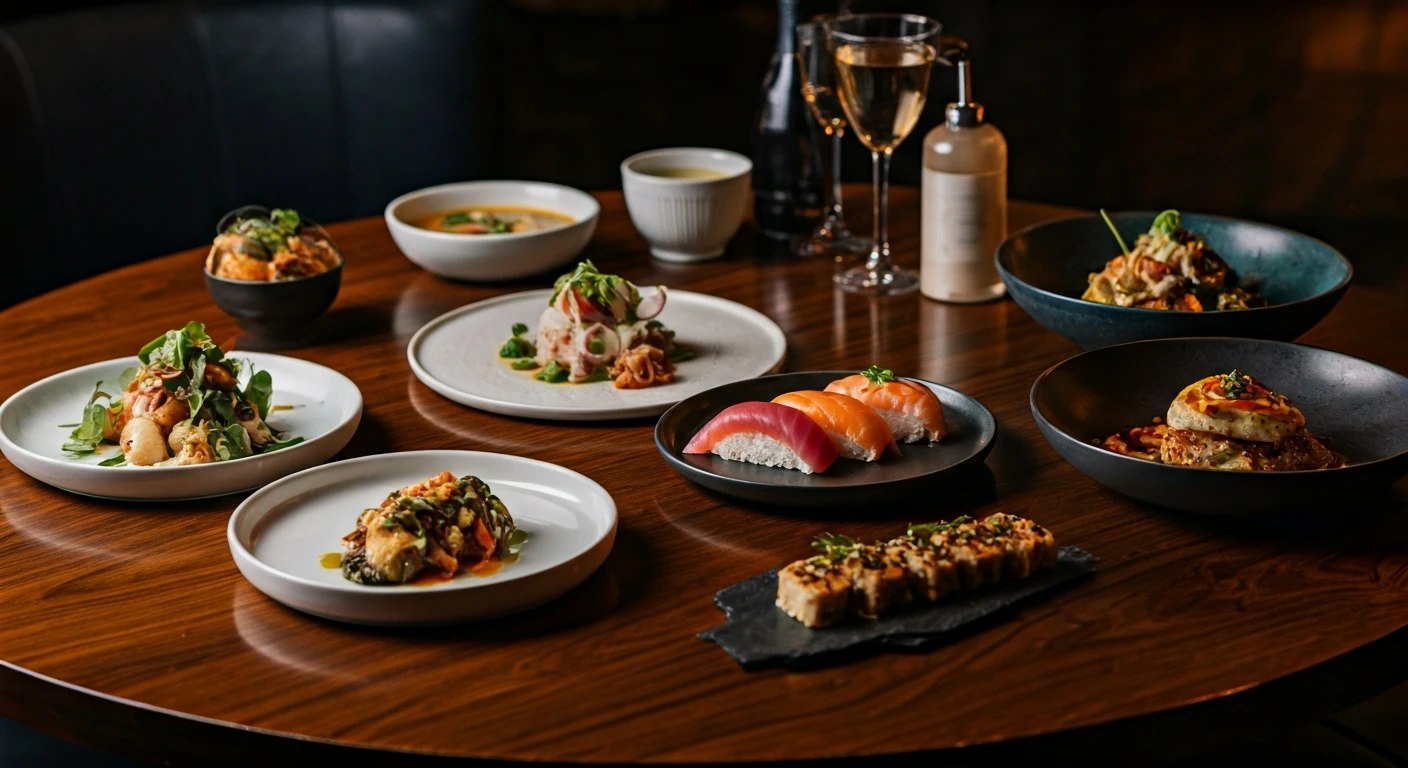
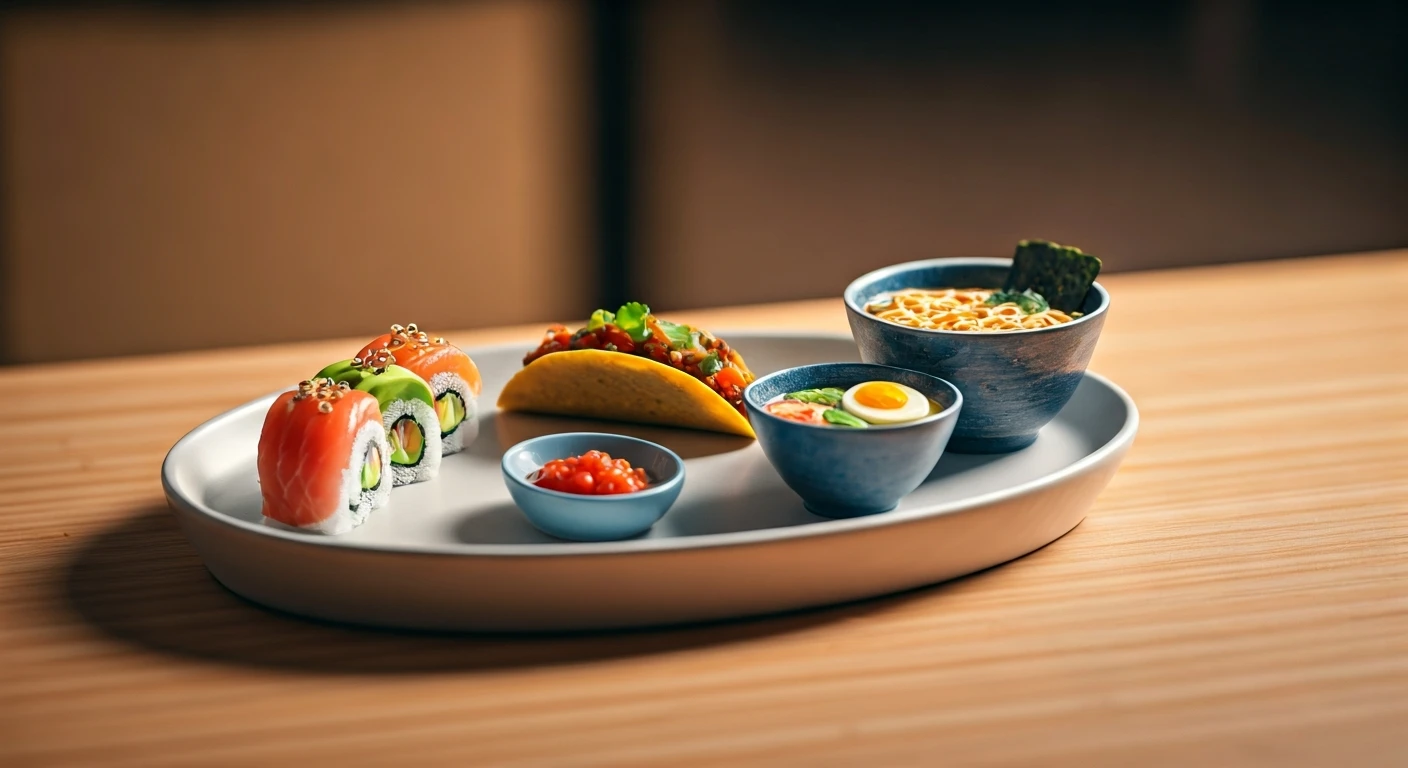
lanes of Bandra to the gleaming business districts of BKC, are now a playground for global flavors. We're not just talking about pizza and pasta. We're talking about authentic ramen bars, chic Peruvian ceviche spots, bustling Korean BBQ joints, and taquerias serving up al pastor with a perfect pineapple char. Restaurants serving delicate Japanese sushi, Levantine mezze platters, and modern European tasting menus are no longer confined to five-star hotels. They are standalone, chef-driven destinations that are packed every night of the week. This isn't just a trend; it's a fundamental reshaping of the city's palate.
The Young and Restless Palate
So, what’s fueling this culinary explosion? The answer lies with Mumbai’s young, urban, and increasingly affluent population. India has one of the world's youngest demographics, and this generation grew up with a smartphone in hand and the world at their fingertips. Unlike their parents, their cultural inputs aren’t just local; they’re global. They’ve traveled more, earned more, and are exposed to international trends through Instagram, TikTok, and Netflix. Food is no longer just sustenance; it’s an experience, a form of entertainment, and a status marker. A beautifully plated dish of sushi or a vibrant bowl of bibimbap isn’t just dinner—it’s content. The desire to participate in these global conversations, one meal at a time, has created a massive and eager market for new tastes.
The Netflix Effect on Dinner
You can't discount the power of pop culture. When a character in a hit K-drama slurps down a bowl of jjajangmyeon, a craving is born in Mumbai. When a travel show on a streaming platform explores the street food of Mexico City, the demand for authentic tacos suddenly spikes. This “Netflix effect” has done more to introduce and normalize foreign foods than any marketing campaign ever could. It creates a pre-existing curiosity and a desire for authenticity. Diners don't just want a dish called “tacos”; they want the tacos they saw on screen, with the right toppings and salsas. This has pushed restaurateurs to move beyond generic interpretations and invest in specialized chefs and ingredients to deliver a genuine experience.
A Chef-Driven Revolution
Behind every great new restaurant is a visionary chef, and Mumbai is benefiting from a brain gain. A new generation of Indian chefs, many of whom trained at top culinary institutes in New York, London, or Paris, are returning home. They bring with them global techniques, an understanding of international standards, and a passion for innovation. But instead of simply replicating what they learned abroad, they are creating something new. They might use a French technique to prepare a local fish or infuse a classic Italian dessert with Indian spices like cardamom or saffron. These chefs are the bridge between the local and the global, opening ambitious, personal restaurants that are putting Mumbai on the international culinary map for reasons far beyond its traditional fare.
A Bigger Table, Not a New One
It's crucial to understand that this isn't a story of replacement. Mumbaikars haven't stopped loving their pav bhaji or their seafood curries. The rise of global kitchens isn't pushing Indian food out; it's simply adding more chairs to the table. In fact, one of the most exciting parallel trends is the rise of “modern Indian” cuisine, where chefs are re-interpreting and elevating classic dishes with contemporary flair. What we're seeing is the expansion of choice. A diner in Mumbai might have a traditional South Indian breakfast on Monday, grab a kathi roll for lunch on Tuesday, and sit down for a sophisticated Japanese omakase dinner on Wednesday. The city’s appetite hasn’t changed; it has simply grown larger and more adventurous.