




1. The Post-Bloom Prune for Spring Shrubs
Remember those gorgeous lilacs, forsythias, and weigelas that were the stars of your April and May garden? Their show is over, and now is their moment for a haircut. The golden rule for these spring-flowering shrubs is simple: prune them right after they
finish blooming. Why? Because they form next year’s flower buds on old wood during the summer. If you wait until fall or winter to prune them, you’ll be cutting off all the potential for next spring's floral display. Your goal is twofold: shape and renewal. Start by removing any dead, damaged, or crossing branches. This improves air circulation and prevents disease. Next, thin out the overall structure by cutting back about a third of the oldest, thickest stems right down to the base. This encourages vigorous new growth from the ground up, effectively renewing the shrub over a three-year cycle without ever sacrificing its entire form. For shaping, you can lightly trim the remaining branches to create a pleasing, natural form—avoid shearing it into a tight ball, which can look unnatural and inhibit flowering.
2. Deadhead Relentlessly for More Flowers
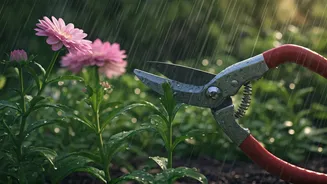
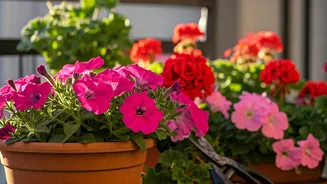
Deadheading—the simple act of removing spent flowers—is arguably the highest-impact, lowest-effort task you can do in June. When a plant’s flower fades, its biological mission shifts to producing seeds. This process requires a tremendous amount of energy. By snipping off the old bloom before it can make seeds, you trick the plant into trying again, channeling all that energy back into producing more flowers. This works wonders for annuals like petunias, marigolds, and zinnias, as well as for reblooming perennials. Keep a constant eye on roses, salvias, coreopsis, and shasta daisies. For flowers on single stems like peonies or daylilies, cut the stalk down to a set of leaves or the base. For plants with clusters of flowers like salvia, wait for most of the flowers on a spike to fade, then cut the entire spike back to a point where new side shoots are emerging. It’s a small, meditative task that pays off with weeks of extended color.
3. Perform the 'Chelsea Chop' on Perennials
Here’s a technique beloved by professional gardeners that sounds more dramatic than it is. Named for the famous Chelsea Flower Show in London, which takes place in late May, the “Chelsea Chop” is a pruning method for certain late-summer and fall-blooming perennials. By cutting them back by about one-third to one-half in late May or early June, you can control their size, prevent them from flopping over later in the season, and encourage more, albeit slightly smaller, blooms. This is the perfect treatment for perennials that tend to get tall and leggy, like asters, phlox, sedum (the upright varieties like 'Autumn Joy'), and monarda (bee balm). You don't have to chop the whole plant, either. You can create a more natural, tiered effect by cutting back the front half of a clump while leaving the back half to grow to its full height. The chopped section will bloom a few weeks later than the untouched section, extending the overall flowering season of a single plant.
4. Keep Your Herbs Bushy and Productive
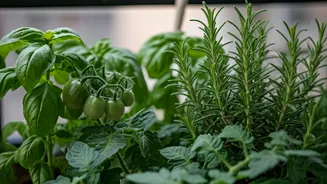
Your herb garden is probably going wild in the June sunshine, and trimming is essential for both health and flavor. Culinary herbs like basil, mint, oregano, and thyme produce the best-tasting leaves when they are harvested regularly. Frequent trimming prevents them from “bolting”—sending up a flower stalk, which often turns the leaves bitter and signals the end of the plant's life cycle for annuals like basil and cilantro. For basil, pinch off the top set of leaves every week or so, cutting just above a pair of side shoots. This encourages the plant to branch out and become a full, bushy powerhouse instead of a single, lanky stem. For sprawling herbs like mint and oregano, don't be shy. Shear them back by half to encourage a fresh flush of tender growth. You’ll be rewarded with a continuous supply for your kitchen and a healthier, more compact plant.