




What Exactly Is 'Weather Mood'?
It’s not just about wanting sunshine. 'Weather mood' describes the new psychological and logistical gymnastics travelers perform to navigate an increasingly unpredictable climate. It’s the tension between the vacation you want and the weather you might
actually get. One week, a heat dome is scorching the Southwest, making Phoenix feel like a convection oven. The next, atmospheric rivers are causing flash floods in the Northeast, or smoke from distant wildfires is blanketing the Great Lakes. June, once a reliable start to summer, now sits in a chaotic transition period. The result? Travelers are becoming amateur meteorologists, obsessively checking long-range forecasts and air quality maps. The mood isn't just about seeking pleasant weather; it's about actively avoiding dangerous or simply miserable conditions that can ruin a long-awaited trip.
The Old Rules No Longer Apply
The traditional travel calendar is being rewritten. June used to be the perfect 'shoulder season' Goldilocks zone—warm but not scorching, busy but not yet peak-July crowded. That reliability has evaporated. Now, many travelers are finding that early June can feel like a weather lottery. This uncertainty is fueling two distinct trends. First, many are abandoning June altogether, shifting their trips to late May or pushing them into September and October in search of more stable, temperate conditions. Second, those who stick with June are fundamentally changing *how* they plan. Instead of locking in a beach week in Florida six months in advance, they’re prioritizing flexibility above all else. The new travel mantra isn’t 'location, location, location'—it’s 'flexibility, flexibility, flexibility.'
Strategy 1: Embrace Climate Opposites
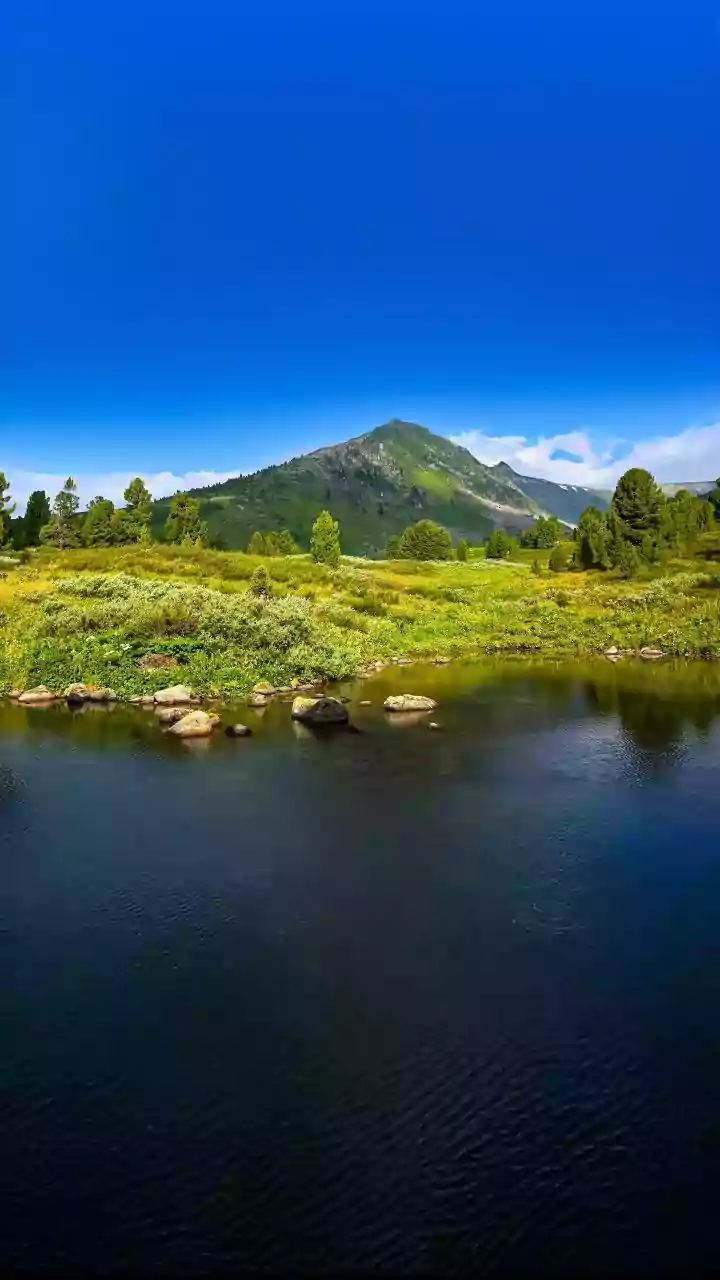
A smart way to navigate the new weather reality is to plan for a climate that’s the direct opposite of your home base. If you’re sweating through a humid summer in Houston, the idea of a dry, 110-degree desert vacation has lost its appeal. Instead, travelers are seeking out 'climate refuges.' Think trading Texas heat for the cool, misty coast of Oregon or the mild breezes of the Upper Peninsula of Michigan. Swapping a trip to the hurricane-prone Gulf Coast for a mountain escape in Vermont or a lakeside retreat in upstate New York is becoming a popular play. This strategy is less about finding a specific 'hot spot' and more about identifying a 'cool spot' that offers genuine relief, turning the vacation into a true escape from the oppressive weather back home.
Strategy 2: The Art of the Backup Plan
Hope for the best, but plan for a heatwave. The most seasoned 'weather mood' travelers build contingency plans into their itineraries from the start. This begins at booking: opt for refundable hotels and flights whenever possible, even if it costs a little extra. The peace of mind is often worth the premium. Next, scrutinize travel insurance policies. A standard policy might not cover you if you cancel because of a forecast, so look for 'Cancel For Any Reason' (CFAR) upgrades. More importantly, plan a 'Plan B' for your destination. If you’re heading to a city known for outdoor activities, research its best museums, indoor food halls, and theaters in case a heat advisory or a week of rain keeps you inside. Having a ready-made list of indoor fun prevents a washout from becoming a wasted trip.
Strategy 3: Go Hyper-Local and Last-Minute
When the long-range forecast is a game of roulette, the best move is often to not play at all. Instead of committing to a cross-country flight months in advance, many are embracing the staycation’s more adventurous cousin: the hyper-local, last-minute trip. By focusing on destinations within a few hours’ drive, you can make a final call based on a reliable 7-day forecast. See a perfect window of weather in the mountains two states over? You can pack the car and go. This approach dramatically reduces the financial and emotional risk of a weather-ruined vacation. It also encourages exploration of nearby hidden gems you might otherwise overlook in favor of a splashier, far-flung destination. It’s a return to spontaneous, responsive travel, driven by the simple desire to be in the right place at the right time.