






The New Indian Hustle
Forget the old stereotype of slow-moving government jobs. For millions of urban Indians in their 20s and 30s, professional life is a sprint. Fueled by a booming startup ecosystem, a growing gig economy, and the global pressures of the tech industry, the workday
has become fluid, intense, and often, all-consuming. This is India’s version of “hustle culture,” where career ambition is paramount and the lines between work and life are perpetually blurred. Late-night coding sessions, early morning client calls across time zones, and freelance projects stacked back-to-back are the new normal. This relentless pace creates immense opportunity, but it also breeds burnout, anxiety, and a profound sense of stress. The traditional nine-to-five is a relic; in its place is an always-on culture that demands constant availability and peak performance, leaving little room for anything else.
A Wellness Revolution
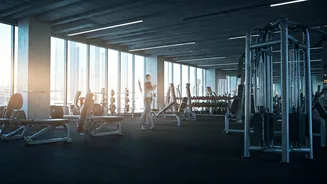
Parallel to this rise in professional pressure, a wellness revolution is sweeping through the same urban centers. Once a niche interest for the wealthy elite, fitness has become a mainstream aspiration. Gleaming 24-hour gyms, CrossFit “boxes,” and boutique yoga and pilates studios are now common sights in major cities. Fitness apps from global and domestic players have millions of subscribers. On social media, influencers showcase not just their careers but their chiseled physiques and clean-eating habits. For this generation, fitness is no longer just about preventing illness; it’s a key component of a successful, modern identity. It signals discipline, affluence, and a globalized outlook. This isn’t your parents’ gentle morning walk in the park; this is high-intensity, data-driven, and deeply integrated into their social and digital lives.
Fitness as an Antidote and Status Symbol
This is where the two trends collide. For many young Indian professionals, the gym isn’t just a place to get healthy—it’s a sanctuary and a strategy. It serves as a powerful antidote to the mental strain of their high-stakes jobs. An hour of intense physical exertion becomes a necessary release valve, a way to reclaim a small part of the day for themselves. But it's more than just stress relief. In a hyper-competitive environment, physical fitness has become a new status symbol. A toned body and the dedication it implies are seen as external markers of the same internal drive that leads to professional success. It tells the world you are in control, disciplined, and capable of managing every aspect of your life, even under pressure. The gym has also become a new “third place” for networking, a social hub where connections are made not over drinks, but between sets of deadlifts.
Workout Routines for the New Economy
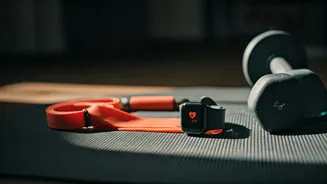
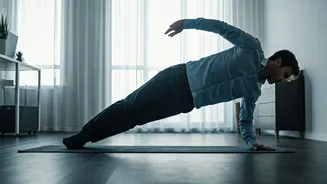
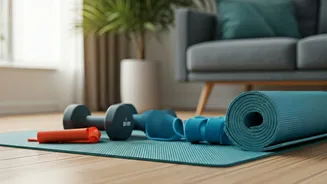
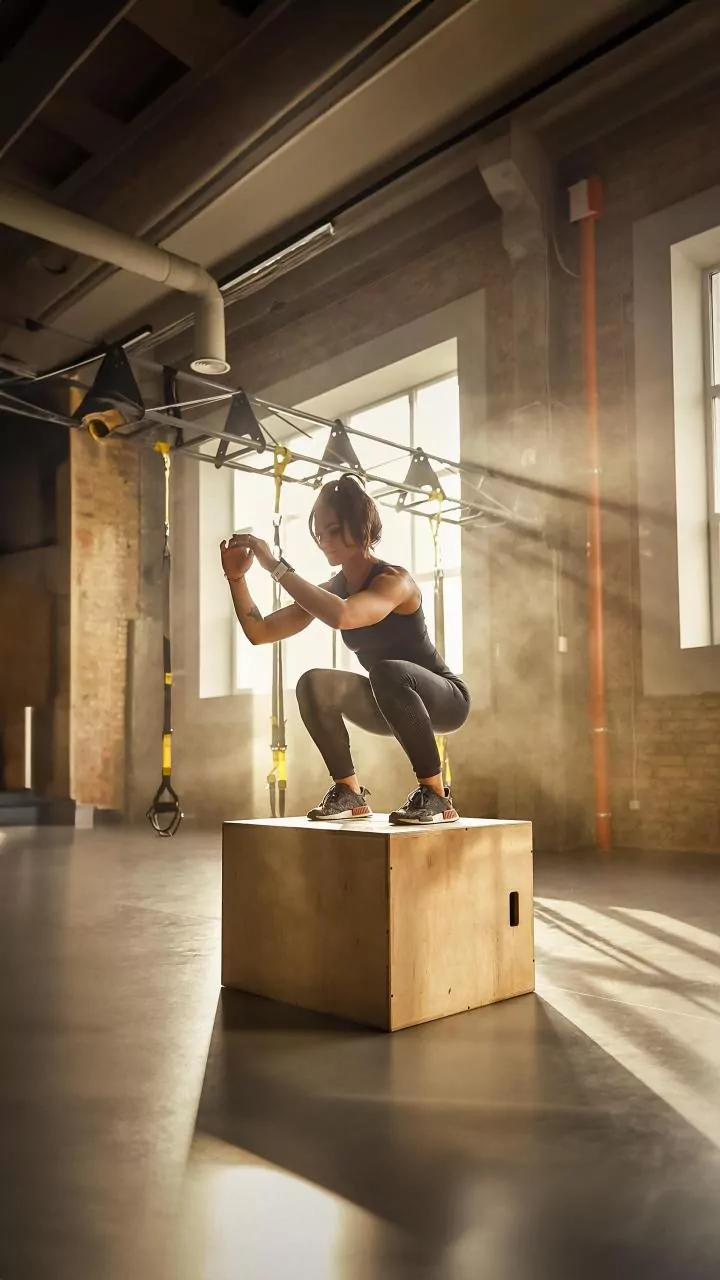
So how do you fit a workout into a schedule that has no clear end? You adapt. The most telling part of this trend is how fitness is being reshaped to fit the contours of the gig economy. The 10 p.m. workout is now a prime-time slot at many urban gyms, catering to startup employees finally logging off. Quick, high-intensity interval training (HIIT) classes are booming because they promise maximum results in minimum time. Corporate offices, desperate to attract and retain talent, are installing in-house gyms and offering wellness subsidies. On-demand fitness apps allow for a 20-minute bodyweight session squeezed in between a client presentation and a freelance deadline. This isn’t about leisurely, hour-long sessions. It's about efficiency, intensity, and a pragmatic approach to self-care that acknowledges the reality of their demanding lives. It's fitness, optimized.