

So, What Exactly Is This Stuff?
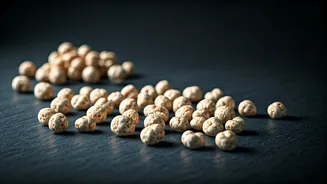
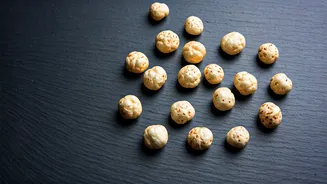
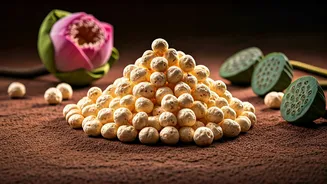
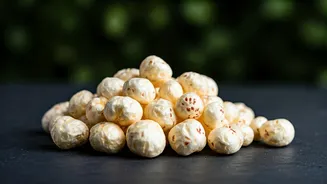
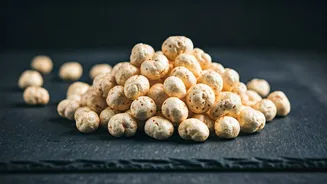
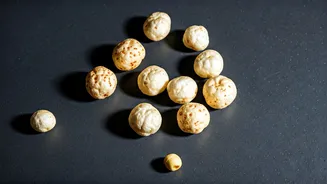
First, let's clear up a common misconception. Though often called fox nuts or lotus seeds, makhana is neither. It's the puffed seed of the Euryale ferox, a species of water lily with giant, thorny leaves that grows in the stagnant ponds of Bihar, India.
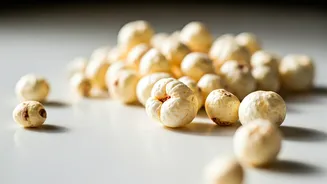
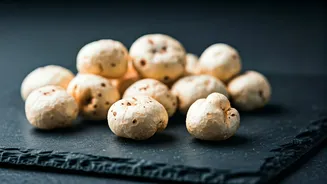
For centuries, fishermen have waded into these waters to harvest the tiny, black seeds from the bottom of the ponds—a laborious, painstaking process. Once collected, the seeds are dried, then roasted in hot sand at a high temperature until they pop, transforming from a hard, black kernel into a light, airy, and wonderfully crunchy puff. The texture is a delightful cross between a cheese puff and popcorn, but with a more substantial, satisfying bite. On its own, the flavor is mild and neutral, making it a perfect blank canvas for seasoning.
An Ancient Snack's Modern Moment
While makhana might seem like a new discovery in the aisles of Whole Foods, it has a rich history in South Asia. In India, it's a staple food, often eaten during religious fasts because it's considered a pure and nourishing food. It's also a cornerstone of Ayurvedic medicine, valued for its purported benefits for heart health, digestion, and vitality. This deep-rooted tradition is a huge part of its current appeal. In an era where consumers are increasingly drawn to “clean” labels, ancient grains, and foods with a story, makhana fits perfectly. It’s not a product engineered in a lab; it’s a time-tested, single-ingredient food that connects modern snackers to a centuries-old wellness tradition. Its journey from a regional Indian staple to a trendy American snack is a textbook example of how global foodways are influencing the U.S. pantry.
The Nutritional Powerhouse
The real driver behind makhana's 'glow-up' is its killer nutritional profile. This is where it truly outshines its snack-aisle competitors. It’s naturally gluten-free, corn-free, and grain-free, checking major boxes for allergy-conscious consumers. Unlike popcorn, which can be hard to digest and often comes drenched in butter and artificial flavorings, makhana is light and easy on the stomach. It's low in calories and fat but surprisingly high in plant-based protein, magnesium, potassium, and fiber. This potent combination means it can help keep you full and satisfied without the subsequent crash associated with sugary or high-carb snacks. It's the rare treat that satisfies a craving for crunch while delivering genuine nutritional benefits—a holy grail for health-minded snackers.
From Niche to Nationwide
For years, if you wanted makhana in the U.S., you had to trek to a specialty Indian grocery store and buy a plain, unseasoned bag. The glow-up is happening now because savvy entrepreneurs have done the work for us. Brands like AshaPops, Bohana, and Lily Puffs are packaging makhana in vibrant, resealable bags and offering them in familiar, craveable flavors that appeal to the American palate: think Himalayan Pink Salt, Vegan Cheese, and Spicy Chili. This smart marketing has repositioned makhana from an ethnic ingredient to a convenient, grab-and-go snack. Its growing presence on the shelves of mainstream retailers and online marketplaces like Amazon and Thrive Market has made it more accessible than ever, introducing it to a new generation of consumers who had never heard of it before.
How to Get Your Crunch On
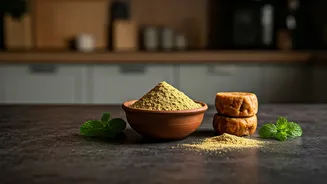
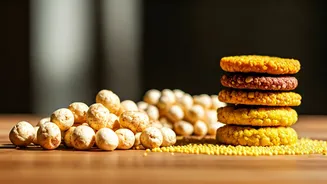
The easiest way to enjoy makhana is straight from a flavored bag. But if you buy the plain, unroasted kind, you unlock a world of culinary possibilities. To prepare them at home, simply dry roast them in a pan over low-medium heat for 8-10 minutes, or until they are crisp and break easily instead of feeling chewy. Once roasted, you can toss them with a little ghee or coconut oil and your favorite spices—turmeric and black pepper, paprika, or even cinnamon sugar. Beyond snacking, roasted makhana makes an incredible, gluten-free alternative to croutons on salads and soups. You can also grind them into a flour for baking or mix them into trail mixes for an added boost of protein and crunch.