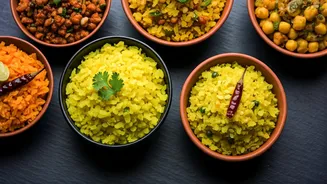


First, What Is Poha?
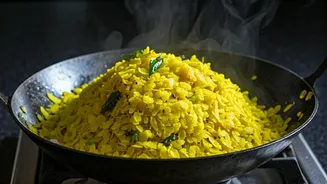
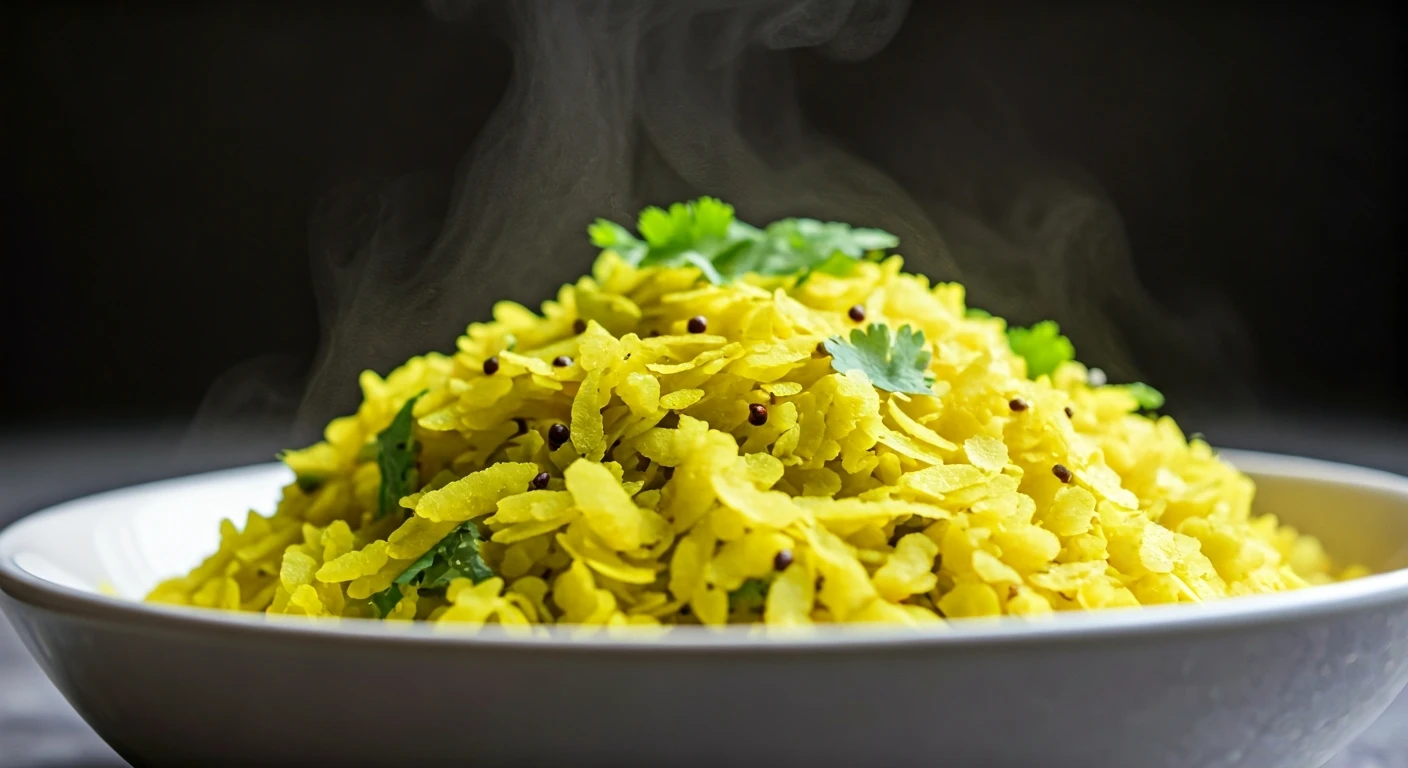
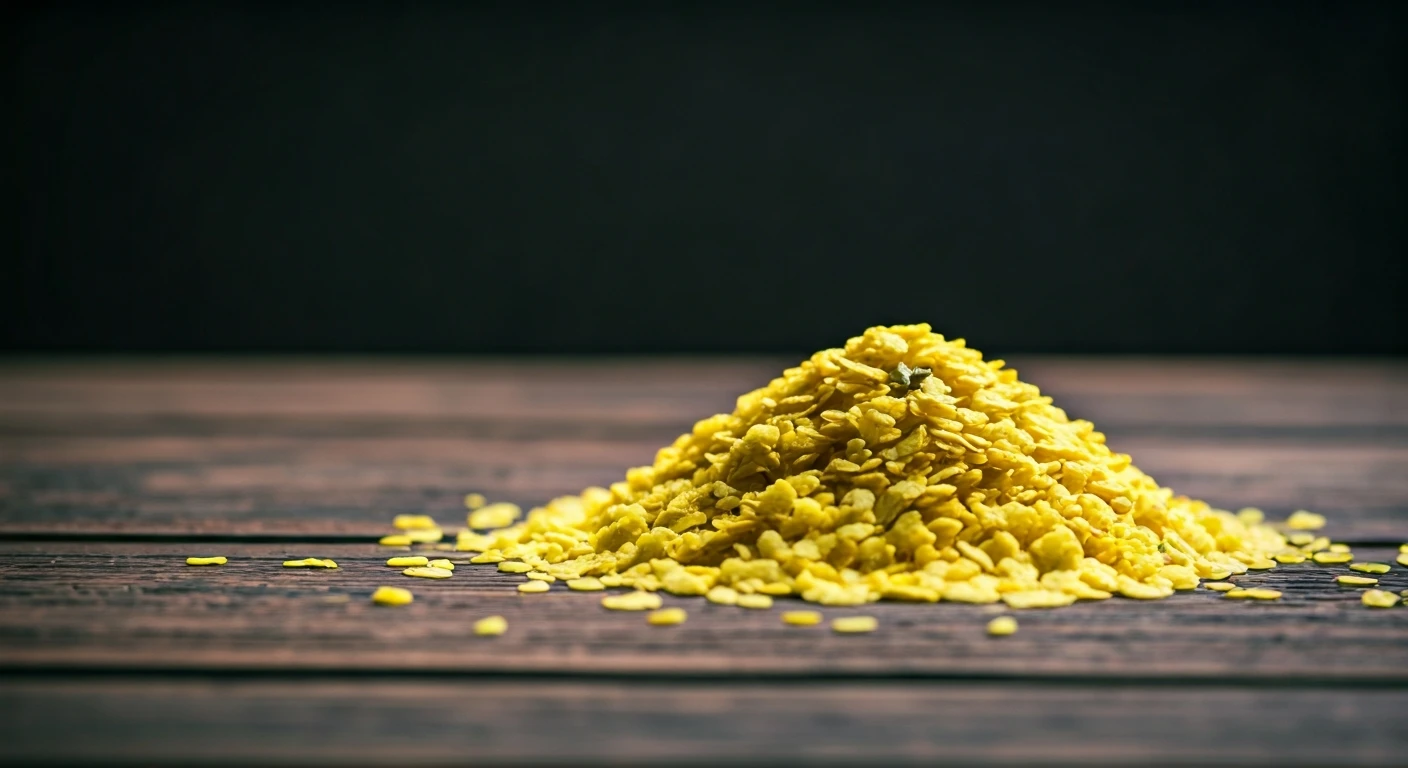
Before we dive into the delicious regional variations, let's get the basics down. Poha (pronounced PO-hah) is both the name of the dish and its main ingredient: dehydrated, flattened rice flakes. Think of it like a lighter, quicker-cooking version of rice.
When soaked briefly in water, these flakes soften into a fluffy, delicate base, ready to absorb any flavor you throw at them. It’s naturally gluten-free, light on the stomach, and a fantastic vehicle for spices, vegetables, and crunchy toppings. It’s the everyday breakfast hero for millions in India, and now it’s making a compelling case for a spot on your brunch table.
The Crowd-Pleaser: Kanda Poha
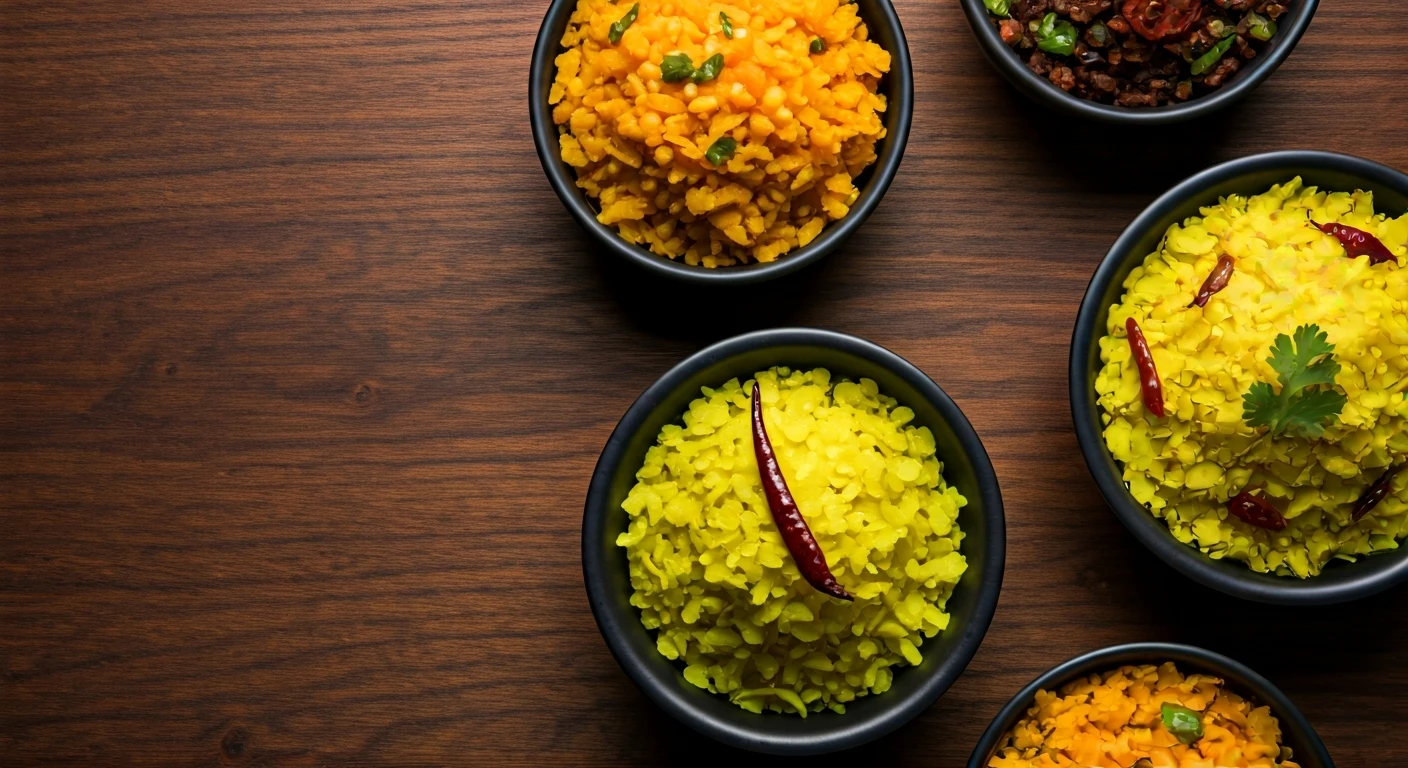
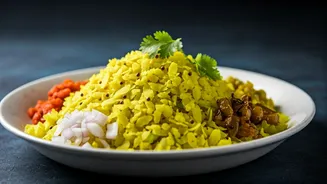
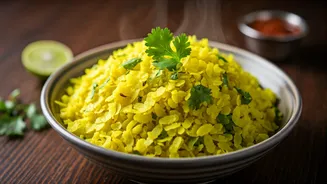
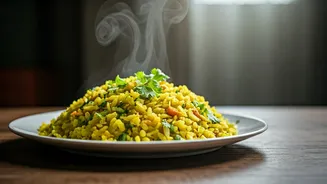
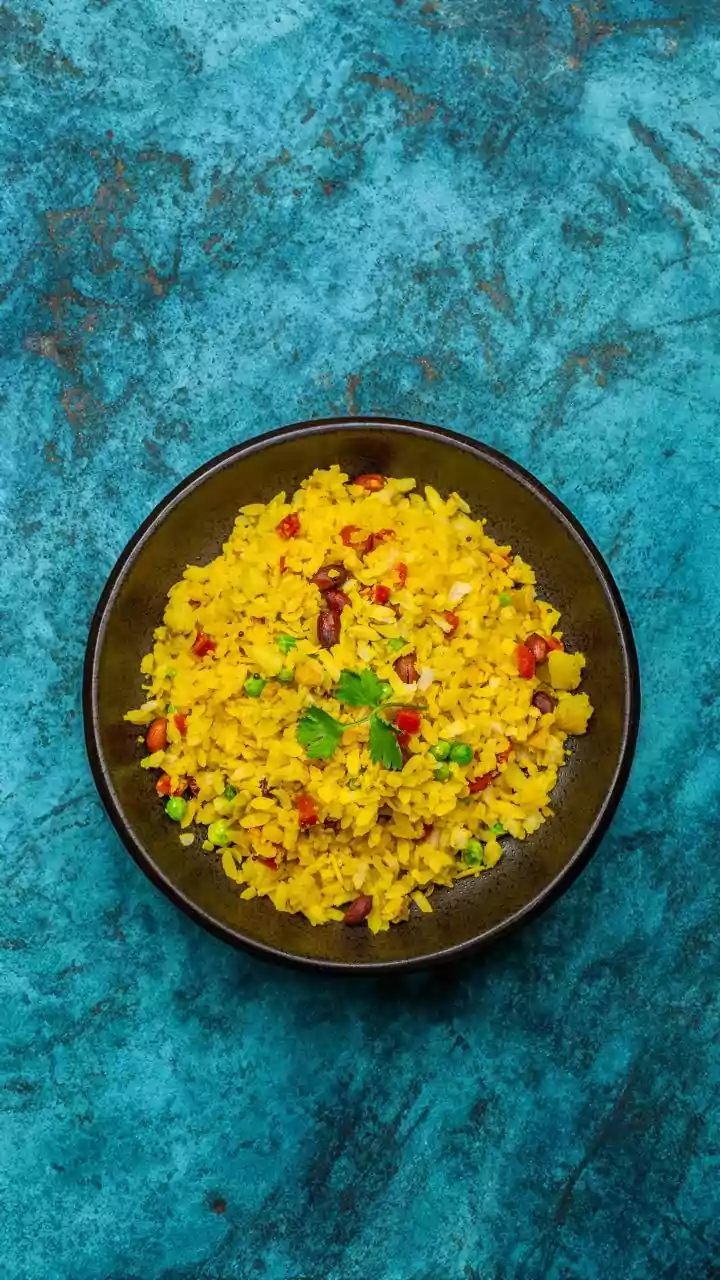
If you’re new to poha, this is your perfect starting point. Hailing from the western state of Maharashtra, Kanda Poha is the most widely recognized version. “Kanda” means onion, and this savory dish is built on a foundation of sautéed onions, mustard seeds, curry leaves, and a pinch of turmeric, which gives it that signature sunny yellow hue. It’s often garnished with fresh cilantro and a squeeze of lime juice for a bright, zesty finish. It’s simple, comforting, and showcases the beautiful texture of the poha flakes without overwhelming them. Many recipes also add peanuts for a welcome crunch.
The Street Food Star: Indori Poha
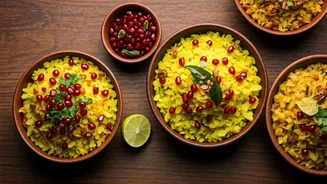
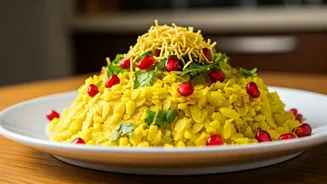
Travel to the central Indian city of Indore, and you’ll find a version of poha that’s a beloved street food legend. Indori Poha is all about the toppings and a unique sweet-and-savory flavor profile. The poha itself is steamed, making it exceptionally soft and fluffy. It's then topped with a festival of textures and tastes: crunchy sev (fried chickpea flour noodles), juicy pomegranate seeds, and finely chopped onions. A special masala blend, often featuring fennel seeds, gives it a distinct, slightly sweet aroma. It’s an experience in a bowl—a perfect example of how a simple dish can become a culinary icon.
The No-Cook Wonder: Dadpe Poha
Think you don’t have time for a flavorful meal? Meet Dadpe Poha, the instant salad-like version from the coastal regions of Maharashtra and Goa. This brilliant variation requires no cooking at all. Thin poha flakes are mixed with freshly grated coconut, chopped onions, tomatoes, green chilies, and cilantro. The moisture from the vegetables and a generous squeeze of lime juice is all it takes to soften the flakes. It’s a refreshing, zesty, and almost instantaneous meal, perfect for a hot day or a quick work-from-home lunch. It highlights poha’s incredible versatility—it doesn't even need a stove to be delicious.
The Tangy Twist: Huli Avalakki
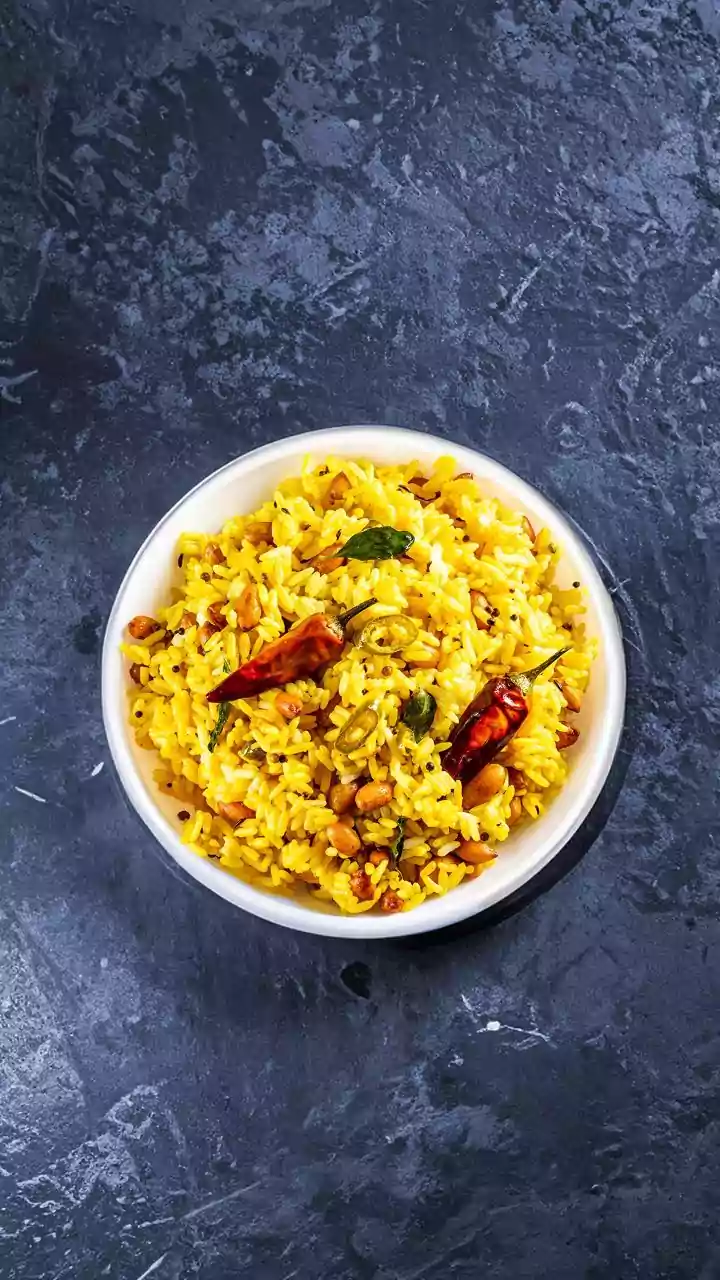
For those who love bold, tangy flavors, Huli Avalakki from the southern state of Karnataka is a must-try. “Huli” means sour, and this dish gets its powerful flavor from tamarind paste. The poha is soaked in a spicy, sour, and slightly sweet tamarind-based sauce, absorbing all the complex flavors. It’s often tempered with mustard seeds, lentils, and peanuts, adding layers of texture and savory depth. Unlike the light and fluffy Maharashtrian poha, Huli Avalakki is moist, bold, and incredibly robust. It’s a testament to how different regions have taken the same core ingredient and created something entirely their own.