






Meet the World's Biggest Youth Market
To understand the seismic shift happening in India, you first need to grasp the sheer scale. With over 600 million people under the age of 25, India has the world's largest youth population. This isn't just a demographic footnote; it's the engine of the country's
economic future. Unlike their parents and grandparents, who were raised in an economy of scarcity and prioritized saving for assets like gold and property, India's Millennials and Gen Z have come of age in a time of relative plenty. They are more optimistic, digitally native, and globally connected than any generation before them. This cohort is not just entering the workforce; they are set to drive more than 70% of spending growth in the country over the next decade, making their tastes and priorities the most important force in the Indian market.
From Saving Money to Spending on Memories
The most profound change is a philosophical one: a pivot from accumulating things to accumulating experiences. The new Indian dream is less about a bigger house and more about a passport full of stamps. Social media platforms like Instagram are both a cause and a reflection of this trend. A photo from a chic cafe in Goa or a reel from a trek in the Himalayas has become a new form of social currency. This desire for shareable moments is fueling a 'you only live once' (YOLO) economy. Easy access to credit through 'buy now, pay later' schemes and digital loans has also removed traditional barriers to spending, allowing young consumers to fund their travel and lifestyle aspirations without the long wait their parents endured.
The 'Revenge Travel' Revolution
Nowhere is this new spending power more visible than in the travel sector. After years of pandemic-related restrictions, a phenomenon dubbed 'revenge travel' has taken hold with a vengeance. But this is more than just a temporary rebound. Young Indians are exploring their own country like never before, driving a boom in domestic tourism to destinations from the mountains of Ladakh to the beaches of the Andaman Islands. They are also looking abroad, with Southeast Asia, Europe, and the Middle East becoming popular choices. This has been a massive boon for airlines and online travel agencies. Hotels are also adapting, with boutique and experiential stays gaining popularity over traditional, cookie-cutter chains. The rise of 'bleisure'—tacking personal vacation days onto business trips—is another defining trend, as flexible work arrangements become more common.
A New National Appetite
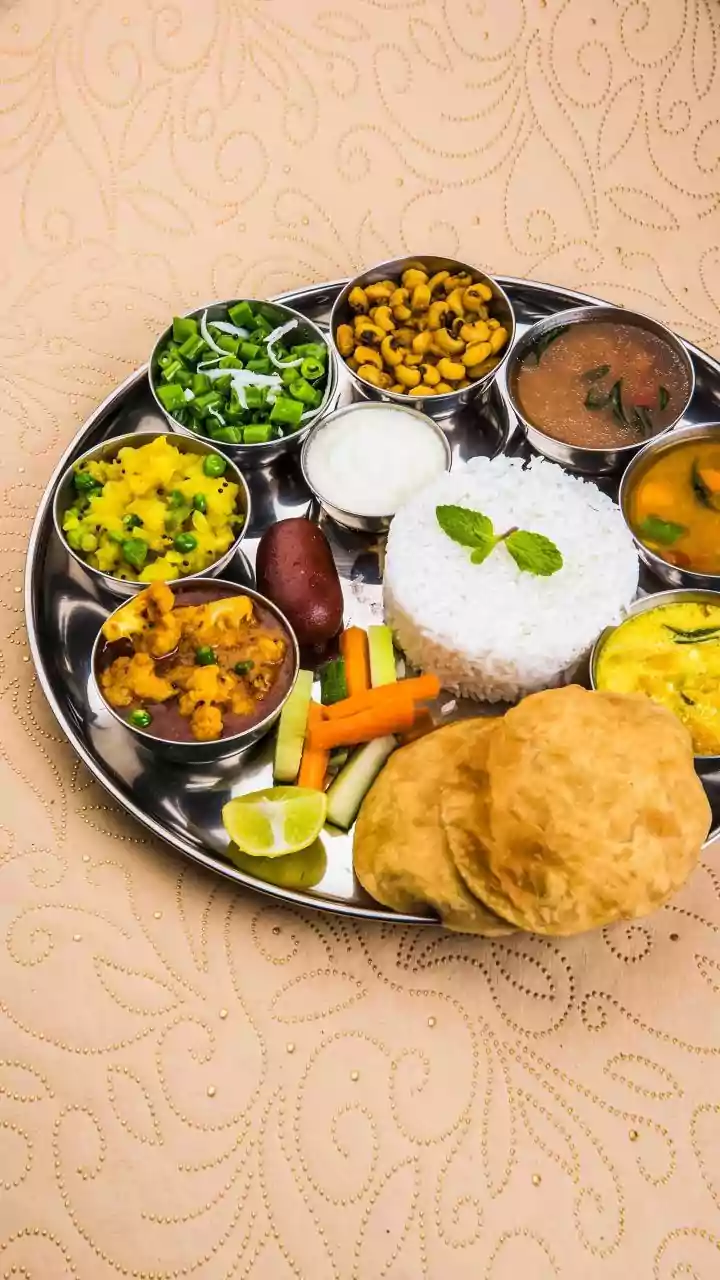
The transformation extends to the dinner plate. The food and beverage industry is experiencing a golden age, driven by a generation that views dining out as a primary form of entertainment. It's not just about eating; it's about the entire experience. Themed cafes, microbreweries, and fine-dining restaurants with international menus are flourishing in major cities and even smaller towns. Food blogging and Instagram have turned every meal into a potential photo-op, pushing establishments to innovate not just with their food but with their ambiance and presentation. This has created a virtuous cycle of demand and innovation, making India one of the most exciting and dynamic food scenes in the world today.
Why Global Brands Are Paying Attention
For international companies, this trend represents a colossal opportunity. Global hotel giants like Marriott and Hilton are rapidly expanding their footprint in India, often launching brands specifically tailored to the tastes of younger, design-conscious travelers. Airlines are adding more direct flights, and international tourism boards are rolling out marketing campaigns specifically targeting Indian visitors. The digital-first nature of this consumer base means that tech companies, payment platforms, and online booking services that offer a seamless experience are poised to win big. Ignoring this demographic is no longer an option for any business with global ambitions; understanding their desires is the key to unlocking one of the 21st century's most significant consumer markets.