



Beyond Cardio and Crunches
For years, the Indian fitness landscape, particularly in its rapidly modernizing urban centers, mirrored the West's obsession with high-intensity cardio and traditional weightlifting. Gyms were filled with treadmills and bench presses, the goals often
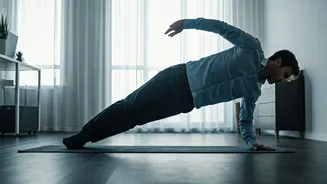
centered on shedding pounds or building bulk. But a significant transformation is underway. A new philosophy is gaining traction, one that prioritizes stability, precision, and deep muscular strength. This is the era of “core-control.” This isn’t just about doing more sit-ups. The trend encompasses a range of disciplines, with Pilates leading the charge. Workouts on reformers and mats, once a niche activity, are now a fixture in boutique studios from Mumbai to Bangalore. Alongside Pilates, there’s a growing interest in calisthenics, animal flow, and advanced yoga forms that demand immense core engagement. The focus has shifted from brute force to intelligent strength—building a powerful, stable center that supports every other movement. It’s a workout that looks deceptively simple but requires an intense mind-body connection and relentless precision.
The Bollywood Effect
In India, trends don’t just happen; they are often ignited by the country’s biggest cultural engine: Bollywood. The nation’s top film stars are its most powerful influencers, and their fitness routines are scrutinized and emulated by millions. Superstars like Deepika Padukone, Alia Bhatt, and Katrina Kaif are regularly photographed leaving Pilates sessions, their lean, strong physiques credited to a core-centric regimen. They work with celebrity trainers like Yasmin Karachiwala and Namrata Purohit, who have become fitness gurus in their own right, popularizing Pilates as the secret to an A-lister’s body. This celebrity endorsement does more than just sell gym memberships; it reframes the ideal physique. The aesthetic has moved away from the bulky, muscle-heavy look of the 90s and 2000s toward a dancer-like strength that is toned, flexible, and poised. When fans see their favorite actors performing demanding stunts or dance numbers with grace and power, the appeal of a strong, controlled core becomes undeniable. Social media amplifies this effect, with celebrity workout videos going viral and making disciplines like Pilates look both aspirational and achievable.
A Modern Twist on an Ancient Idea
While Pilates was developed in Germany and popularized in America, its core principles resonate deeply with India’s own physical culture. At its heart, yoga is also a practice of control, breath, and connecting the mind to the body’s movements. Many of the new core-focused workouts are being framed not as a foreign import but as a contemporary evolution of these age-old ideas. They offer a structured, systematic approach to building the kind of deep, internal strength that advanced yogis have cultivated for centuries. This framing helps the trend feel authentic rather than derivative. It’s seen as a complement to yoga, not a replacement. Many Indians who practice yoga are now adding Pilates or calisthenics to their routine to build the foundational strength needed for more challenging asanas. This blend of old and new speaks to a modern Indian identity—one that is globally connected yet still rooted in its own rich heritage of physical and spiritual wellness. It’s a way of participating in a global fitness conversation while speaking a language that feels uniquely Indian.
The New Fitness Status Symbol
The rise of core-control fitness is also a story about India’s changing economy and social aspirations. Unlike a membership at a large, impersonal gym chain, classes at a boutique Pilates or calisthenics studio are a premium experience. They often involve small group settings, personalized instruction, and sleek, well-equipped spaces. This makes them a new kind of status symbol for India’s burgeoning urban upper-middle class. Attending a reformer Pilates class is not just about getting a good workout; it’s about participating in a lifestyle. It signals a commitment to a sophisticated, mindful form of wellness that goes beyond mere aesthetics. As disposable incomes rise, more people are willing to invest in these specialized, high-end fitness experiences. The trend reflects a broader global shift toward wellness as a holistic, aspirational pursuit, and in India, a strong and controlled core has become the new benchmark of modern fitness.