




Beyond the Pumpkin Spice Empire
For years, the story of seasonal beverages was dominated by a single, powerful flavor: pumpkin spice. Its autumn arrival was a cultural event, a harbinger of cozy sweaters and falling leaves. But that singular dominance is giving way to a more diverse
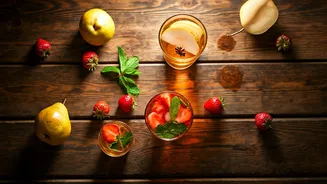
and nuanced approach. Consumers, increasingly sophisticated and seeking novelty, are looking for seasonality that feels more authentic and less reliant on artificial syrups. Enter the modern seasonal fruit drink. This isn't just about adding a pump of raspberry to iced tea. It’s about celebrating what’s truly in season. Think of the bright, tart rhubarb spritzers of late spring, the ubiquitous strawberry matcha lattes of early summer, the deep, rich flavor of a fig and honey cooler in August, or a spiced pear and ginger tonic as the weather cools. This movement trades the monolithic, one-flavor-fits-all model for a rotating cast of characters, each with a limited but glorious window of availability.
The Wellness and Authenticity Factor
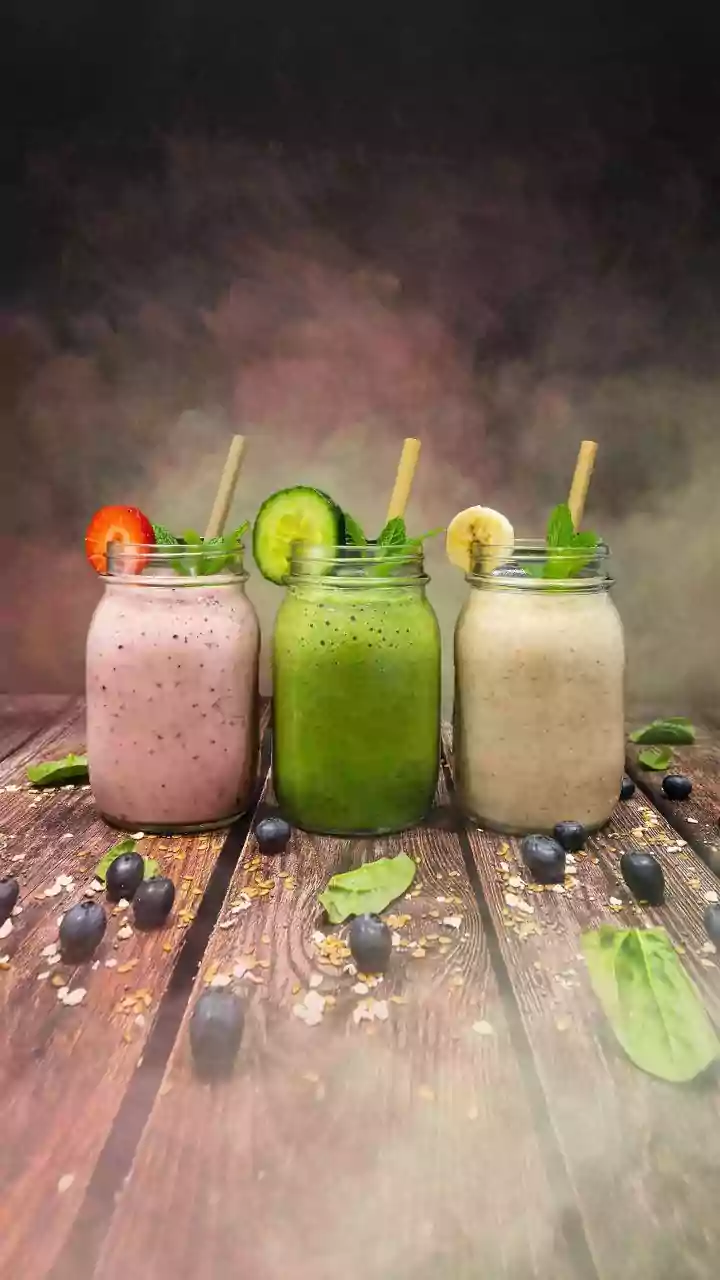
The shift towards fresh fruit is deeply intertwined with the wellness boom. As consumers become more conscious of ingredients, sugar content, and artificial additives, a drink made with muddled fresh berries simply feels better—and better for you—than one made with a mysterious, fluorescent-colored syrup. These drinks often fall into a sweet spot: they feel like a treat but carry a halo of healthfulness. They are the perfect “little luxury” for an afternoon pick-me-up without the associated guilt of a sugar-laden Frappuccino.
Furthermore, this trend taps into a powerful desire for authenticity. In a world of hyper-processed foods, a drink that showcases real, identifiable ingredients provides a sense of connection to nature and the seasons. It’s a small act of rebellion against the homogenization of the modern food system, a preference for something that tastes like it came from a farm, not a factory.
Engineered for the Instagram Feed
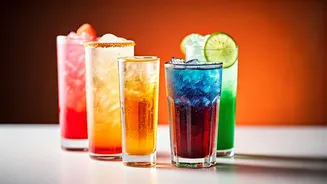
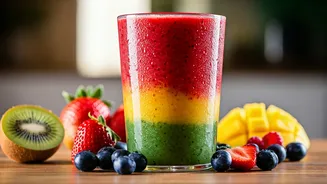
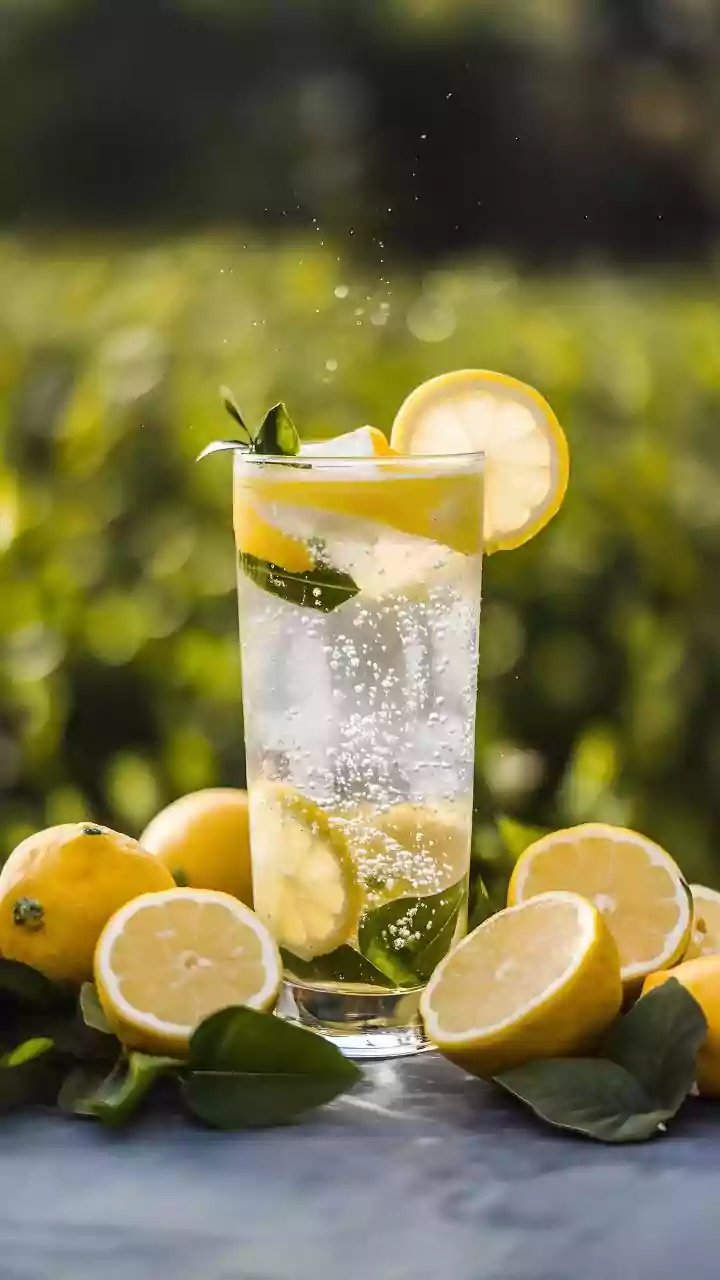
Let’s be honest: we drink with our eyes first. The aesthetic appeal of these beverages cannot be overstated. A glowing orange mango-passionfruit lemonade, a layered hibiscus tea with vibrant purple dragon fruit, or a simple glass of water infused with cucumber, mint, and lemon—these are not just drinks; they are content. Their vivid colors, fresh garnishes, and often-layered presentations are practically designed for a starring role on Instagram and TikTok.
Cafes and beverage brands understand this perfectly. A beautiful, shareable drink is its own best advertisement. When a customer posts a photo of their stunning watermelon-basil refresher, they are providing free, organic marketing that is far more powerful than a traditional ad. This visual economy has created a feedback loop: brands create ever-more-beautiful drinks to encourage social sharing, and consumers, in turn, seek out the most photogenic options to curate their own digital lives.
From Farm-to-Table to Farm-to-Cup
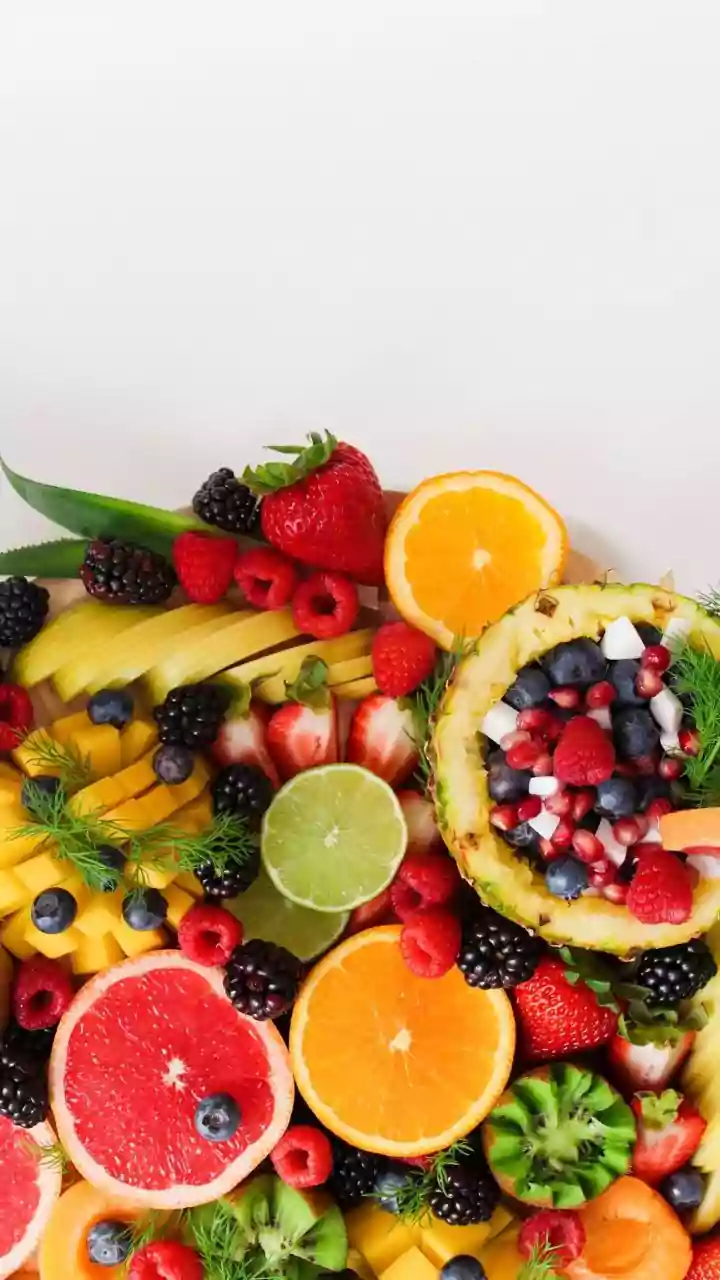
The ethos of the farm-to-table movement has officially trickled down into our cups. Just as diners learned to appreciate menus built around local, seasonal produce, they are now applying the same logic to their beverages. Using in-season fruit isn’t just a marketing gimmick; it’s a signifier of quality. A strawberry in June is simply better than a strawberry in December, and customers can taste the difference.
This hyper-seasonality allows smaller, independent cafes to distinguish themselves from the big chains. While a global giant needs a supply chain that can deliver strawberry purée year-round, a local shop can build a special around a few flats of perfect peaches from a nearby farm. This creates a sense of place and urgency—get it now, because it will be gone next month. It transforms a simple beverage purchase into a unique, timely experience that connects the drinker to their local environment and the rhythm of the year.