
First, A Snack Primer
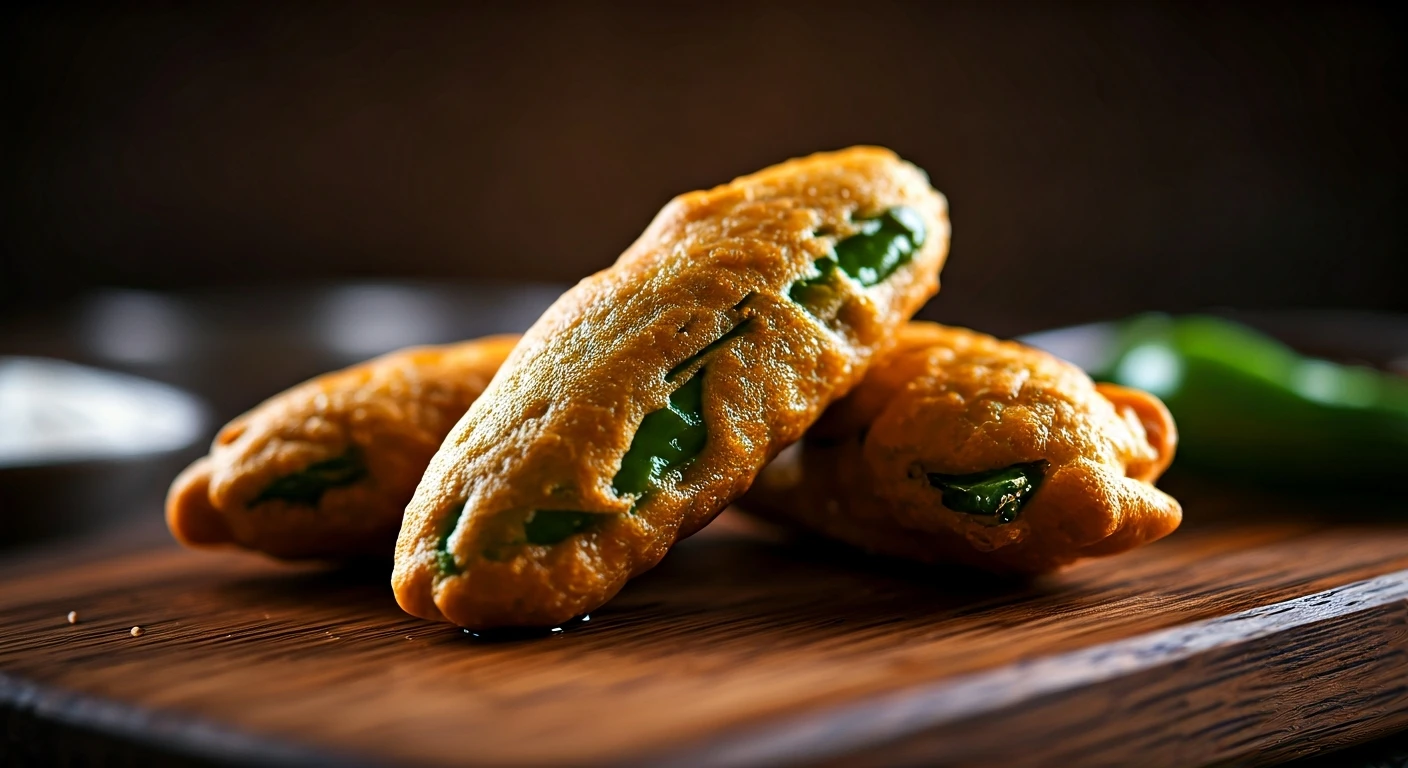
For anyone unfamiliar, the world of South Asian snacks is a treasure trove of fried, savory goodness, and the pakora is one of its crown jewels. At its heart, a pakora is a fritter. Vegetables, cheese, or even bread are dipped in a spiced batter made
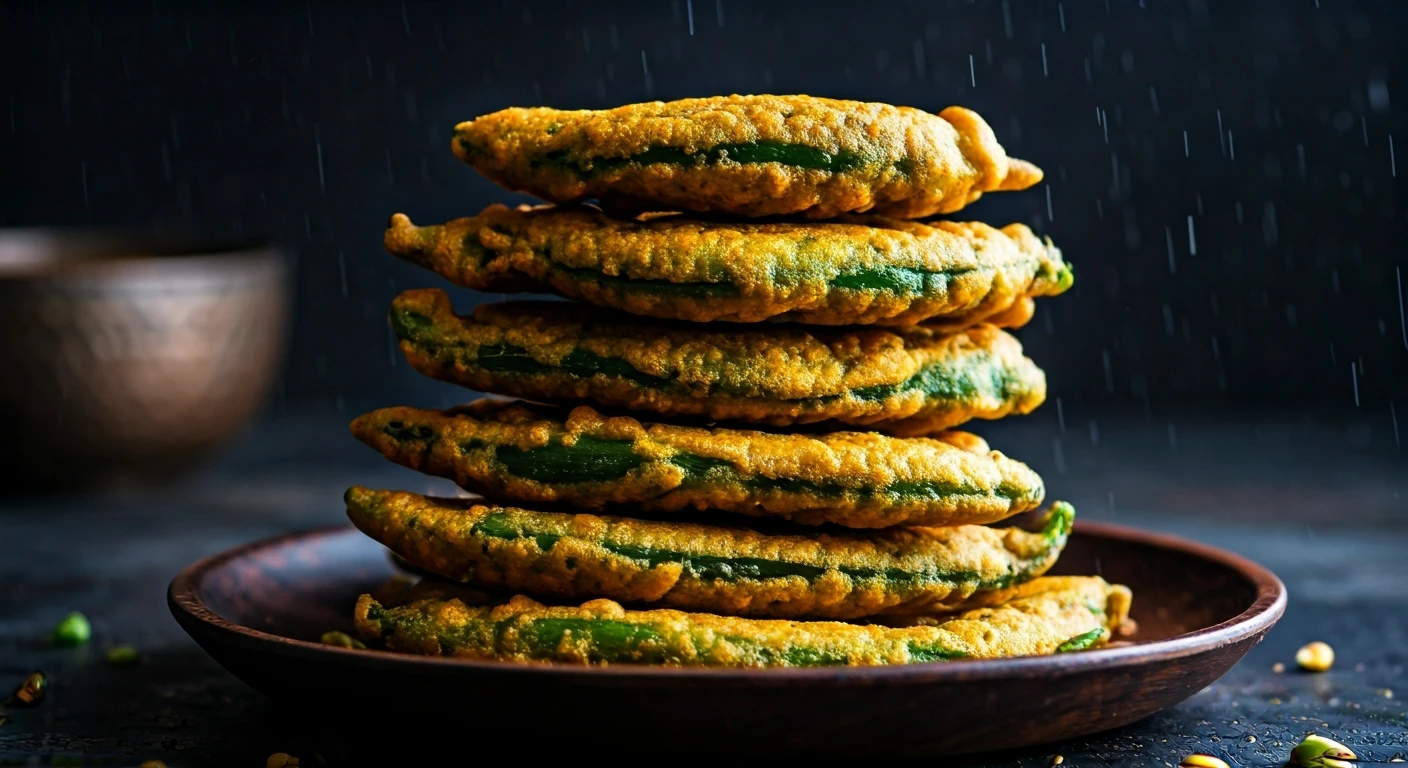
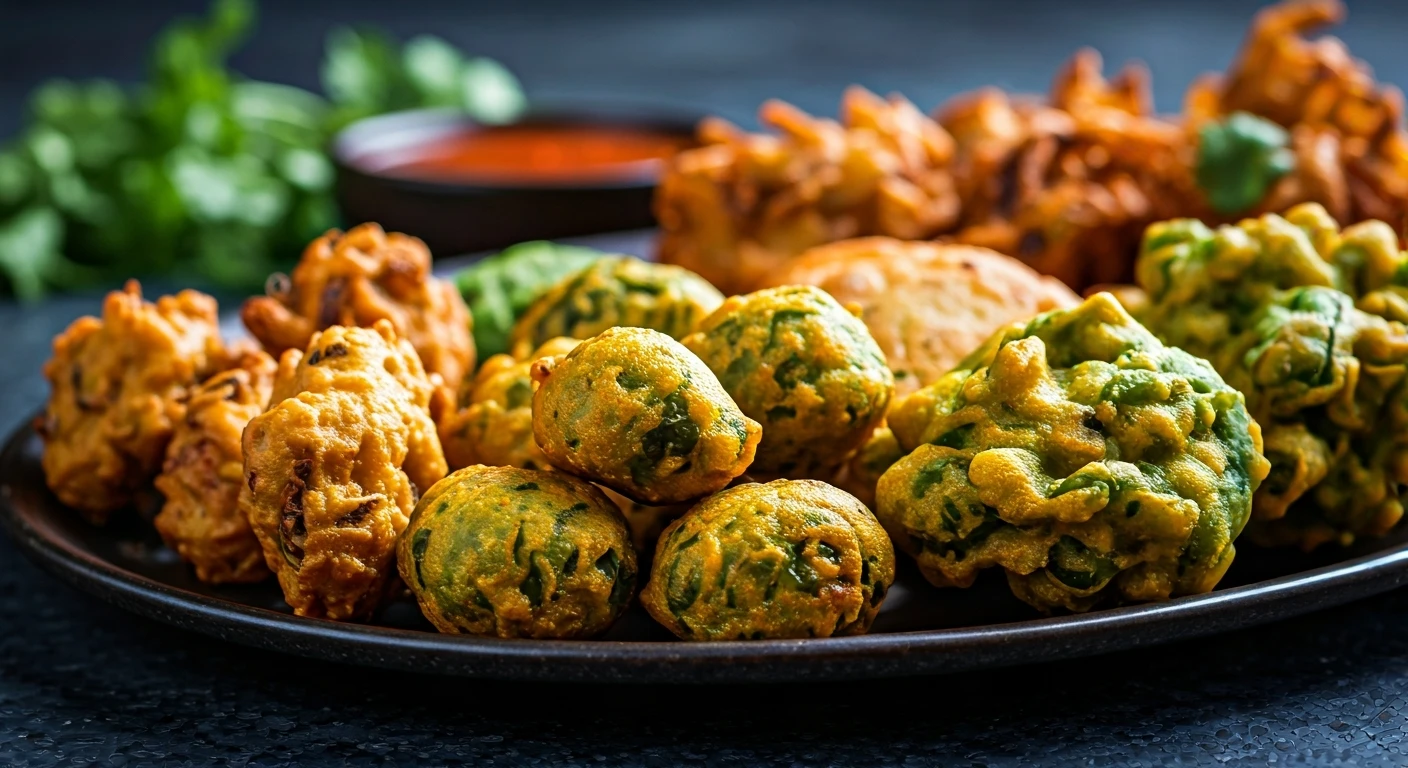
from gram flour (besan, or chickpea flour) and deep-fried until golden and crisp. They are the quintessential rainy-day food, the ultimate street-side snack, and the perfect companion to a steaming cup of masala chai. Traditionally, the most common varieties are made with sliced onions (pyaz bhaji), potatoes (aloo pakora), or spinach (palak pakora). These have long been the undisputed champions of the chai-time table, offering a familiar, savory comfort that’s hard to beat.
Enter the Corn Pakora
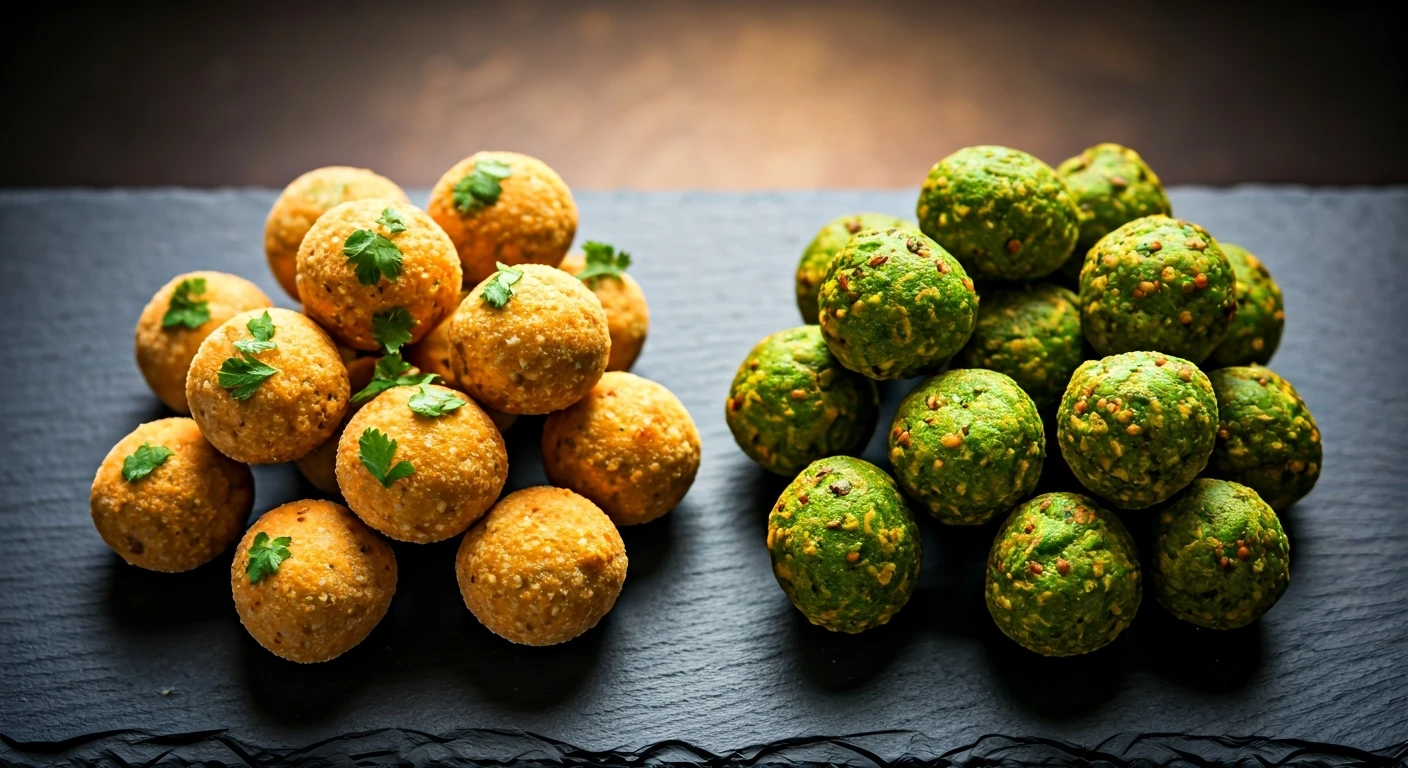
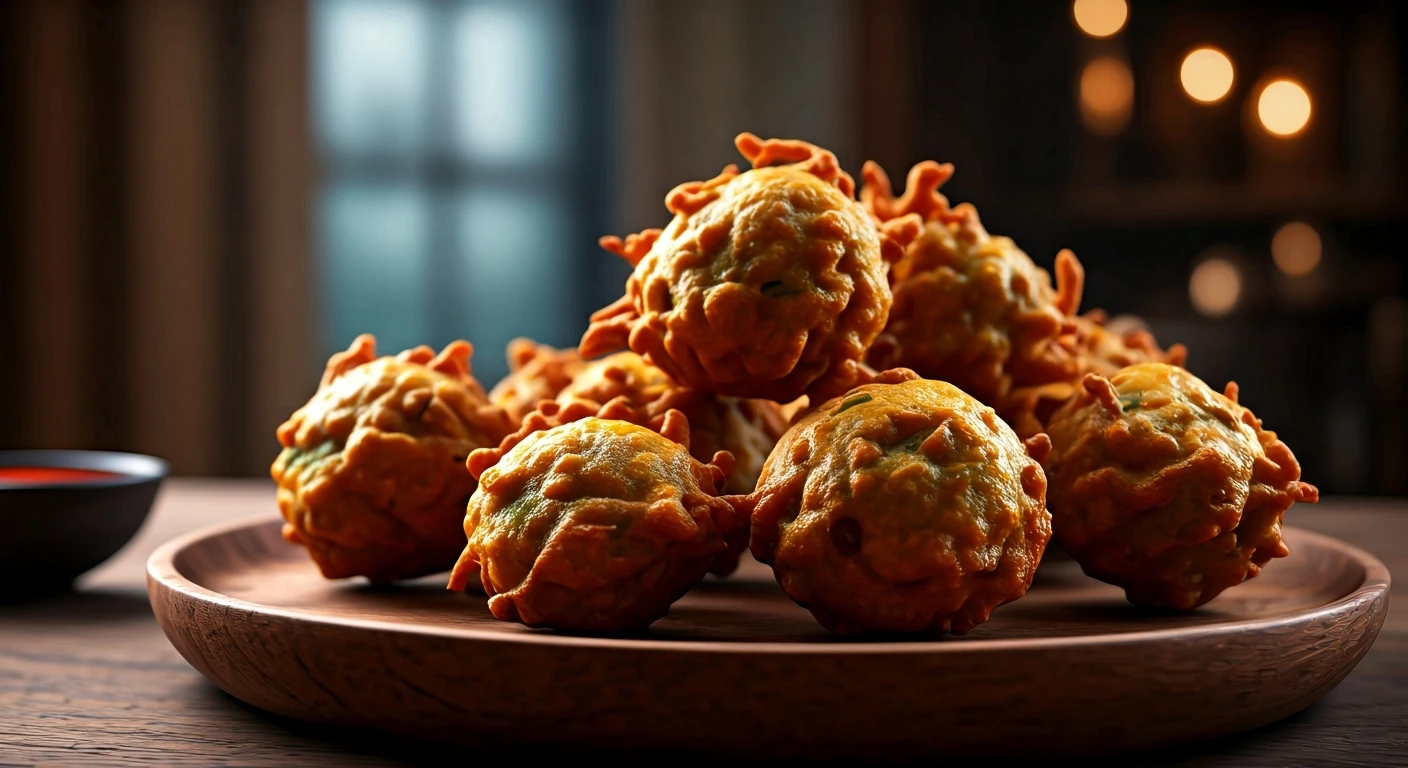
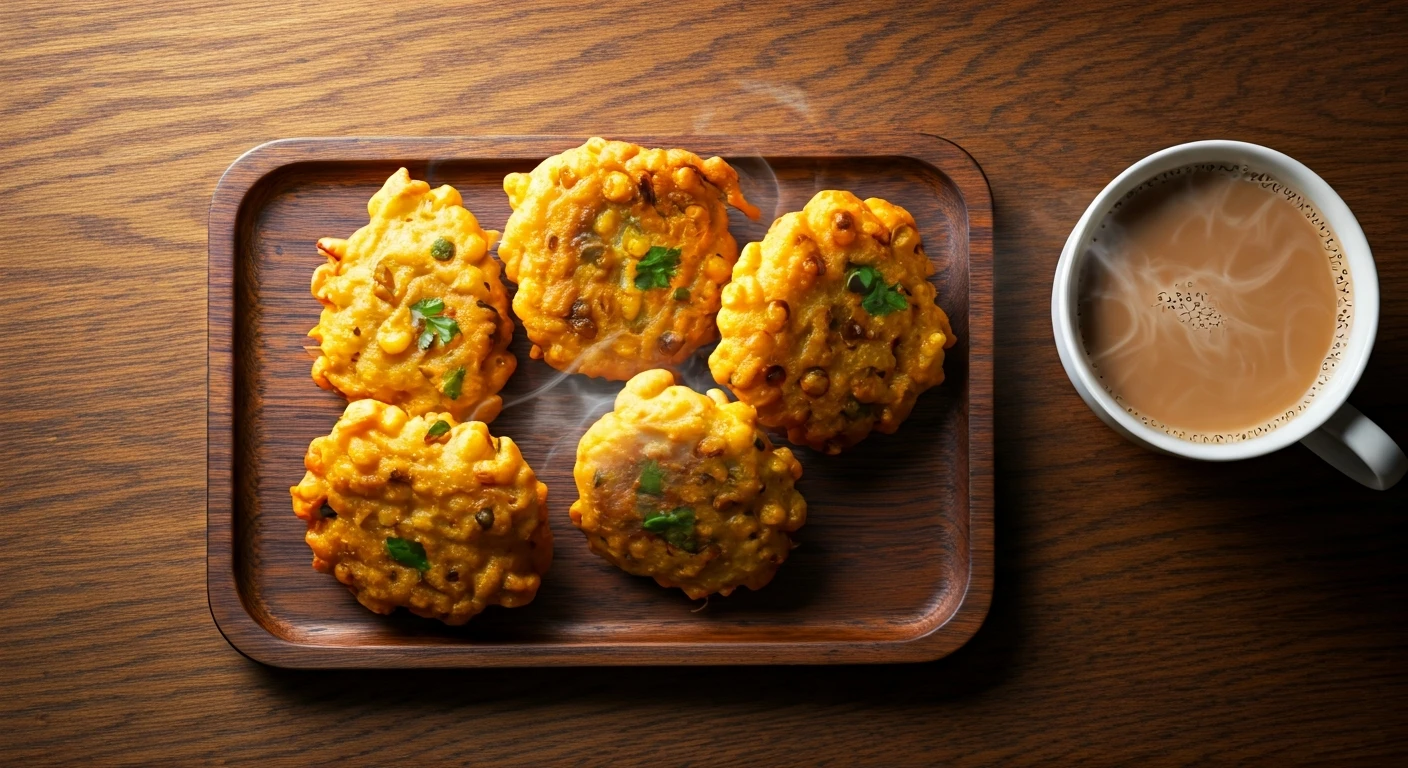
The corn pakora is a relatively modern twist on this classic formula, but its genius lies in its simplicity. Instead of just vegetables, the star of the show is sweet corn. Kernels—often fresh off the cob in the summer or from a can in the off-season—are folded into the same spiced gram flour batter, sometimes with chopped onions, cilantro, and green chiles for extra flavor and heat. When fried, something magical happens. The exterior becomes incredibly crunchy and craggy, while the inside remains tender. And most importantly, the corn kernels burst with a pop of natural sweetness when you bite into them. This creates a flavor profile that is simultaneously sweet, spicy, savory, and herbaceous—a complex party in every bite.
The Perfect Dance with Chai
The reason the corn pakora is gaining such a devoted following is its almost perfect synergy with masala chai. A proper cup of chai is a balance of its own: strong black tea, creamy milk, warming spices like cardamom, cinnamon, and ginger, and a touch of sweetness. The corn pakora doesn’t just complement this; it dances with it. The fritter’s savory spice rub stands up to the bold flavors of the tea. Its crisp, fried texture provides a wonderful contrast to the smooth, liquid warmth of the chai. But the secret weapon is the corn’s sweetness. It mirrors the subtle sweetness in the tea, creating a harmonious pairing that feels both indulgent and incredibly balanced. While a potato samosa is a hearty, beloved classic, its dense, starchy filling can sometimes feel heavy. The corn pakora, with its lighter texture and pops of juicy corn, feels more like a nimble and exciting partner.
Challenging the Classics
Let’s be clear: the samosa is not going anywhere. The triangular pastry filled with spiced potatoes and peas is an icon for a reason. It’s the reliable, globally recognized heavyweight champion of Indian snacks. Similarly, onion bhaji, with its irresistible tangle of crispy fried onions, holds a special place in the hearts of millions. To suggest the corn pakora will completely unseat them is to misunderstand tradition. Food culture isn't a zero-sum game. The classics provide the foundation, the comforting baseline that we return to again and again. They are the culinary equivalent of a hug from a grandparent. But a living culinary tradition needs to evolve, to make room for new ideas and new favorites.
A Sign of Evolving Tastes
The rise of the corn pakora is less about a coup and more about the expansion of the palate. It reflects a desire for new textures and flavor combinations within a familiar framework. You see it appearing on the menus of modern Indian-American cafes, in the homes of creative diaspora cooks, and all over food blogs and Instagram feeds. It’s a snack that feels both timeless and perfectly suited for the moment—easy to make, endlessly adaptable (add more chile for heat, a pinch of chaat masala for tang), and utterly delicious. It proves that there’s always room for one more chair at the table, especially when it’s brought by such a delightful guest.