





Breaking Out of the Summer Rut
Grills fire up, picnic blankets unfurl, and a familiar cast of characters appears on the American table: smoky burgers, creamy potato salad, sweet corn on the cob, and endless slices of watermelon. These are the tastes of summer, reliable and beloved.
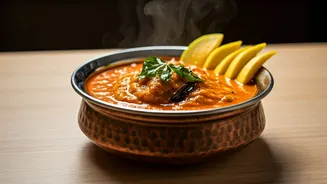
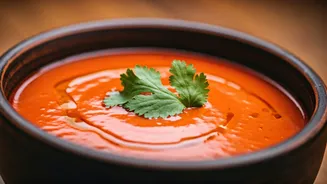
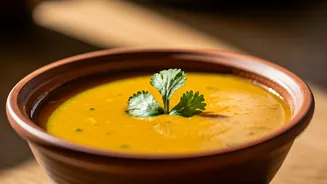
But reliability can sometimes breed monotony. By the time August rolls around, even the most devoted fan of grilled hot dogs might crave something new—something brighter, bolder, and altogether more exciting. We look for a dish that captures the lazy heat of the season but delivers a jolt of unexpected flavor. That dish, for those in the know, is Mango Rasam. It’s a vibrant, liquid-gold concoction from South India that does for the summer meal what a cannonball does for a quiet swimming pool: it makes a huge splash.
First, What Is Rasam?
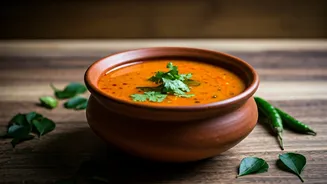
Before we get to the mango, let’s talk about the foundation. Rasam is a staple in South Indian households, particularly in states like Tamil Nadu, Karnataka, and Andhra Pradesh. It’s a thin, soupy broth that’s fundamentally different from the thick, creamy curries many Americans associate with Indian cuisine. The name itself comes from the Tamil and Kannada word for “juice” or “essence,” which perfectly describes its role. Made with a base of tamarind juice, tomatoes, and a specific blend of spices known as rasam powder (typically containing coriander, cumin, black pepper, and chiles), it’s a masterclass in balance. Rasam is tangy, spicy, and deeply savory. It’s traditionally served with steamed rice, but it’s also enjoyed as a standalone soup to warm the soul, aid digestion, and clear the sinuses. Think of it not as a heavy main course, but as a dynamic, flavorful component that brings an entire meal to life.
Enter the Mango
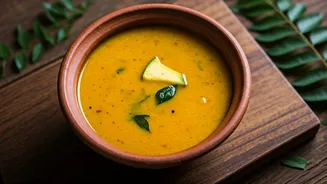
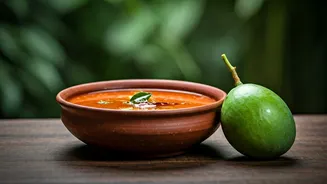
This is where the magic happens. When mango season arrives, cooks across South India transform this everyday staple into a seasonal delicacy. By introducing mango, the classic rasam formula gets a brilliant, sun-drenched upgrade. There are two main paths. The first uses unripe, green mangoes. These are fiercely sour and firm, adding a sharp, puckering tartness that beautifully complements the earthy spices. This version, often called Mavinakayi Saaru in Karnataka, is bracing and intensely refreshing. The second, more common path uses ripe, sweet mangoes—the kind you dream about all year. This is Mambazha Rasam. The sweet pulp is blended into the broth, creating a dish where every spoonful is a dance between the sweet fruit, the sour tamarind, the fiery heat of chiles and pepper, and the subtle sweetness of jaggery (unrefined cane sugar) often added for balance. It’s this version that truly embodies the spirit of summer.
A Symphony of Flavor
To call Mango Rasam “sweet and sour” is a massive oversimplification. It’s a complex, layered experience that hits every part of your palate. The initial taste is often the fragrant sweetness of the ripe mango. But immediately, the tangy tamarind cuts through, preventing the sweetness from becoming cloying. Then comes the warmth—a slow-building heat from black pepper and dried red chiles that blossoms at the back of your throat. Finally, the finish is aromatic and savory, thanks to a concluding step called 'tadka' or 'tempering.' Hot oil or ghee is infused with mustard seeds, curry leaves, and a pinch of asafoetida, then poured over the finished rasam. The sizzle it makes is the sound of flavor being unlocked, releasing a fragrant aroma that ties everything together. It’s not just a soup; it’s a complete sensory journey in a bowl.
How to Best Enjoy It
The beauty of Mango Rasam lies in its versatility. The most traditional way to eat it is ladled over a mound of hot, fluffy white rice. You mix it with your fingers (or a spoon), allowing the rice to soak up the flavorful broth. It’s often served as one of the first courses in a larger meal to whet the appetite. But its uses don’t stop there. Because it’s so light and brothy, it makes for a fantastic appetizer soup, served in small cups to kick off a summer barbecue with a surprising twist. Some even enjoy it chilled as a refreshing, savory-sweet drink on a sweltering afternoon. It’s a perfect partner for simple vegetable dishes or fried accompaniments like papadums, which provide a crunchy contrast to the liquid broth. It’s a dish that asks you to be creative while honoring its bold, uncompromising flavors.