




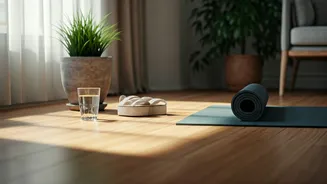



The Backlash to Burnout Culture
For years, the measure of a “good” workout was the puddle of sweat you left on the floor or the inability to walk down stairs the next day. High-Intensity Interval Training (HIIT), punishing bootcamps, and max-effort lifts became the gold standard. While
these methods are effective for building strength and endurance, they come at a cost. Overtraining, mental fatigue, and nagging injuries are the silent side effects of a fitness culture that often glorifies grit over sustainability. We’ve been conditioned to believe that rest is for the weak, but our bodies and minds are starting to send a different message. The rise of the recovery class isn't a rejection of hard work; it's a recognition that intelligent work includes strategic rest. It’s a collective exhale in a world that constantly tells us to inhale and brace for impact.
So, What Exactly Is a Recovery Class?
Don’t confuse a recovery class with a day spent on the couch. This is active, intentional restoration. Think of it as a guided session dedicated to all the things you know you *should* do after a workout but rarely commit to. These classes are popping up in boutique studios and big-box gyms, offering a structured environment for healing. The menu of activities varies, but most center on a few key modalities. You’ll likely find sessions focused on foam rolling and other forms of self-myofascial release to work out muscle knots, dynamic stretching to improve mobility and blood flow, and controlled breathwork to down-regulate the nervous system from a “fight or flight” state to “rest and digest.” It’s not a yoga class (though it shares some mindful elements) and it’s not a physical therapy session (though it borrows from its principles). It’s a unique hybrid designed specifically to complement an active lifestyle.
The Physical Benefits: More Than a Stretch
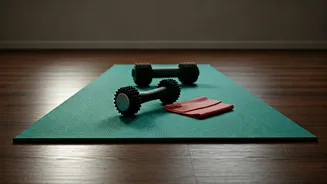
The immediate payoff of a recovery class is feeling better. By using tools like foam rollers, massage balls, and stretching straps, you can help alleviate delayed onset muscle soreness (DOMS)—that classic next-day ache. These techniques increase blood flow to tired muscles, delivering oxygen and nutrients that speed up the repair process. Over time, the benefits compound. Consistently working on your mobility improves your range of motion, which doesn't just feel good; it makes you a better, more resilient athlete. Improved flexibility and more supple tissues can help prevent the compensation patterns that lead to injury. A recovery class can help you squat deeper, run more efficiently, and move through your daily life with greater ease. It’s the maintenance work that allows the performance work to shine, turning your body into a more durable, well-oiled machine.
The Untapped Mental Edge
Perhaps the most underrated benefit of recovery classes is the mental reset they provide. In a typical workout, the focus is external: hitting a target pace, lifting a certain weight, or keeping up with the person next to you. A recovery class flips the script. The focus turns inward. You’re encouraged to listen to your body, to notice areas of tightness or discomfort without judgment, and to breathe deeply. This is a form of mindfulness. It’s a rare opportunity to disconnect from the pressure to perform and simply connect with your physical self. This shift can be profound. It combats the “burnout energy” mentioned in the headline by teaching you that fitness isn't just about output. It's also about input, awareness, and care. You leave not just feeling physically looser, but mentally clearer and calmer, a state that's hard to achieve at the end of a grueling HIIT session.
How to Make Recovery Part of Your Routine
Integrating recovery work doesn’t require a complete overhaul of your schedule. Start by swapping one of your high-intensity days for a recovery class, or add it in on what would typically be an “active recovery” day. If your gym doesn’t offer dedicated classes, look for a mobility class or a gentle/restorative yoga session. Many digital fitness apps also offer guided stretching and foam rolling routines you can do from home. The key is consistency. A single stretching session is nice, but a weekly practice is transformative. Treat it with the same importance as your other workouts. It’s not an “extra” or a luxury; it’s the essential connective tissue that holds your entire wellness practice together, ensuring you can keep doing the activities you love for years to come.