


Beyond the Buffet Mentality
For decades, the American understanding of Indian food was largely shaped by the all-you-can-eat lunch buffet: a rich, heavy, and often homogenous spread of chicken tikka masala, saag paneer, and naan. While delicious, this restaurant-style fare represents
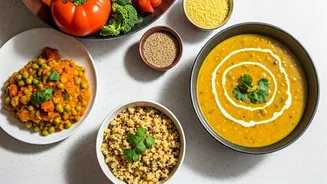
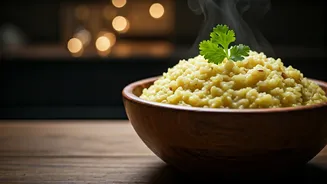
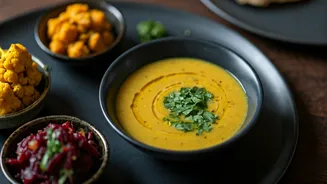
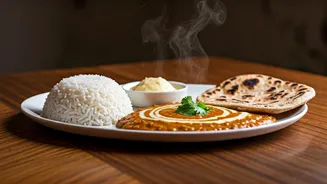
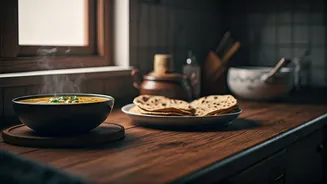
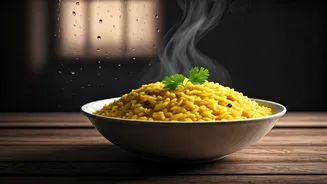
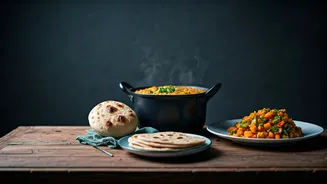
only a sliver of the subcontinent's vast culinary landscape. The real soul of Indian cuisine has always lived at home, in the everyday dishes that are cooked with regional nuance and personal history. This new wave of “cosy” isn't about complexity; it’s about its opposite. It’s the humble bowl of dal, a lentil stew seasoned with a simple tadka (a tempering of spices bloomed in hot ghee or oil). It's khichdi, a soft, restorative porridge of rice and lentils that is Indian penicillin for the soul. It's the unfussy vegetable stir-fries (sabzis) and the warm, puffy rotis made on a stovetop. These are dishes built for nourishment and comfort, not for special occasions.
The Post-Pandemic Pantry
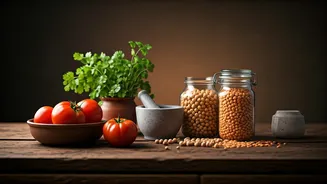
Like so many domestic trends, the renewed appreciation for simple home cooking found fertile ground during the pandemic. Confined to our homes, we turned our kitchens into sanctuaries. The sourdough starters and banana bread frenzies were just the beginning. For many Indian Americans, and for a growing number of curious non-Indian cooks, this period was an opportunity to go deeper. Suddenly, there was time to call Mom for that dal recipe you never wrote down. There was an excuse to finally master the art of a round roti. The search for comfort in uncertain times led many back to the flavors of childhood. This wasn’t about performative cooking for Instagram; it was about feeding ourselves and our families in the most fundamental way. The pantry, stocked with lentils, rice, and a rainbow of spices, became a source of stability and connection.
A Digital Dabba Box
This quiet, home-based movement found its megaphone on social media. Platforms like TikTok and Instagram became a digital dabba (tiffin box) for a new generation of food creators. Influencers like Chaheti Bansal (@rootedinspice) and Priya Krishna, author of the bestselling cookbook *Indian-ish*, have been instrumental in demystifying home-style Indian cooking. Their short, engaging videos break down seemingly complex dishes into easy, approachable steps. They show dal being made in an Instant Pot and offer hacks for weeknight sabzis. More importantly, they present this food in its natural habitat: a regular American kitchen. By stripping away the intimidation factor, they have invited millions into a world of Indian cooking that feels accessible, modern, and deeply personal. It’s no longer a secret language spoken only by aunties; it's a conversation everyone can join.
Reclaiming Heritage, One Dish at a Time
For many second- and third-generation Indian Americans, this trend is also about identity. Growing up, many felt a pressure to assimilate, sometimes feeling embarrassed by the fragrant, spice-filled lunches their parents packed. Now, as adults, there's a powerful movement to reclaim that heritage. Cooking these dishes is an act of connection—to parents, to grandparents, and to a culture they are now defining on their own terms. This isn't about a rigid adherence to so-called “authenticity.” It’s about adaptation and love. It’s about making a recipe your own, just as generations did before. Embracing the “cosy” is a way of saying that their everyday culture is valuable and worthy of celebration, not just the elaborate, wedding-hall version. The simple act of making a pot of dal becomes a quiet, delicious statement of belonging.