
The Search for Speed and Flavor
In the world of online recipe searches, trends come and go. One month it’s feta pasta, the next it’s cowboy caviar. But a quieter, more durable star has been steadily rising. Search data and food media reports show a significant uptick in queries for
“quick curry,” “30-minute curry,” and “easy curry recipe.” This isn’t a fleeting viral stunt; it’s a reflection of a fundamental shift in how Americans want to eat. We’re busy, we’re tired of the same old chicken breast, and we crave dishes that deliver a maximum flavor punch for minimal effort. The humble curry, once seen as a weekend project or a takeout-only treat, has officially entered the weeknight chat. It’s become the answer for cooks who refuse to sacrifice bold, complex taste just because it’s a Tuesday.
Why We’re Cooking It Now
So, what’s driving this curry craze? It’s a perfect storm of factors. First, the globalization of the American pantry. High-quality curry pastes, coconut milk, and spices that were once specialty-store items are now staples in most major supermarkets. This accessibility has demystified the dish. Second, social media has played a huge role. Platforms like TikTok and Instagram are filled with mesmerizing videos of creators whipping up a stunning-looking curry in under a minute (of video time), making the process look achievable and fun. Finally, there’s a growing desire for control. While we love our local Thai or Indian restaurant, making curry at home allows for customization—less spice for the kids, more veggies for health, or using up that lingering block of tofu before it’s too late. It combines the thrill of global flavors with the practicality of a home-cooked meal.
The Anatomy of a Weeknight Warrior
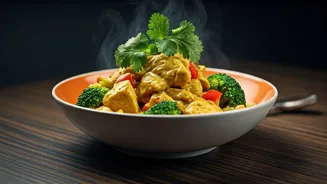
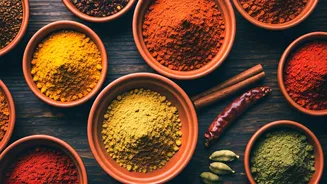
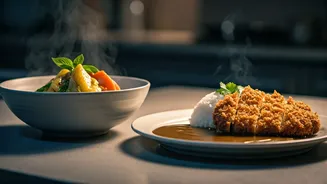
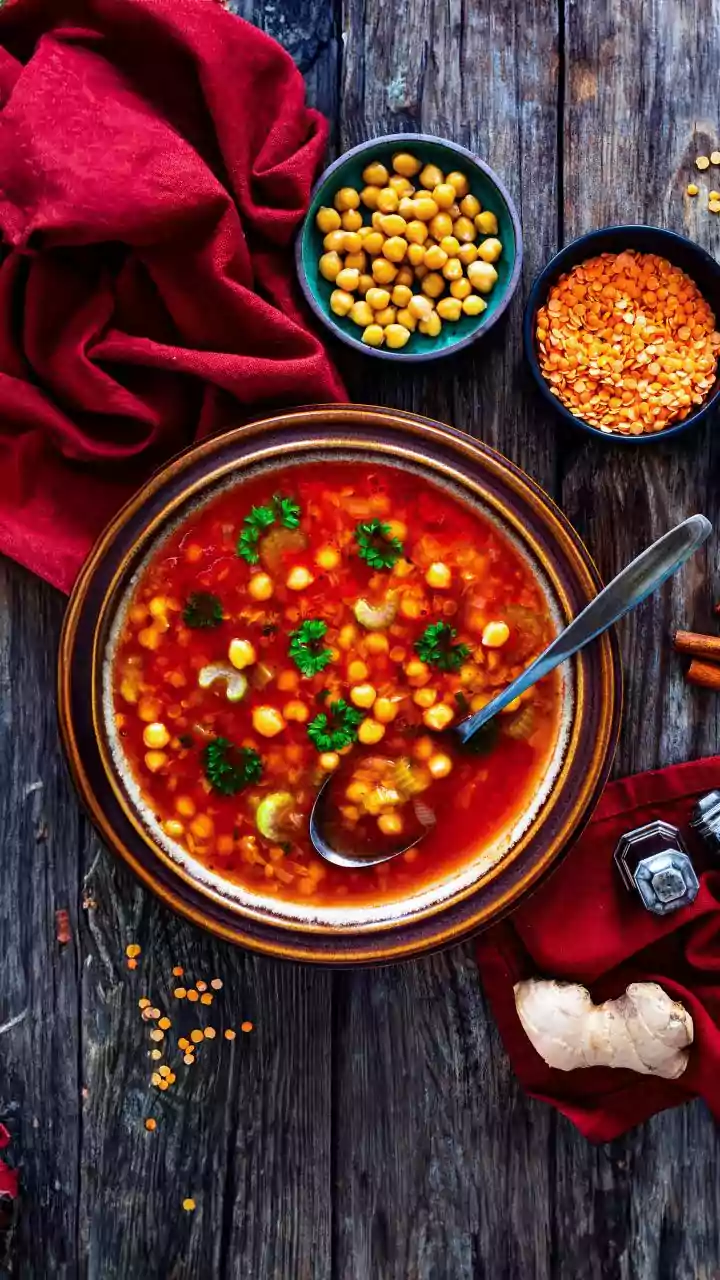
At its heart, a “quick curry” is more of a template than a rigid recipe, which is the key to its appeal. The formula is brilliantly simple. It starts with a flavor base, typically a store-bought curry paste (Thai red, green, or yellow), a Japanese curry block, or a blend of Indian spices like turmeric, cumin, and coriander quickly bloomed in oil. Next comes the liquid—usually canned coconut milk, which provides creaminess and tames the heat, but sometimes stock or crushed tomatoes. Then, you add your protein and vegetables. This is where the “quick” part shines: fast-cooking proteins like shrimp, chicken tenders, tofu, or canned chickpeas are ideal. Finally, a flurry of fresh herbs like cilantro or basil, a squeeze of lime juice, and you have a layered, aromatic meal ready in about the time it takes to cook a pot of rice.
Building Your Quick-Curry Toolkit
The secret to unlocking spontaneous curry night is having a few key players on standby. The number one MVP is a good-quality, store-bought curry paste. Brands from Thailand like Mae Ploy or Maesri offer authentic, powerful flavor in a jar, saving you the hour it would take to make it from scratch. Canned coconut milk (always full-fat for the best texture) is its essential partner. Beyond that, a well-stocked pantry might include fish sauce for umami depth, soy sauce, and a sweetener like brown sugar or maple syrup to balance the flavors. With these basics on hand, any combination of protein and vegetables from your fridge can be transformed. That lonely zucchini, those frozen peas, that half-bag of spinach—they all have a delicious new purpose.