



More Than Farm-to-Table
For the last decade, 'farm-to-table' has been the gold standard for conscientious dining. But a deeper, more cyclical philosophy is emerging, one that thinks beyond just sourcing. Enter 'compost-to-kitchen.' It’s a closed-loop system where a restaurant
takes responsibility not only for the ingredients it buys but for the waste it generates. In this model, vegetable scraps, coffee grounds, and other organic matter aren’t sent to a landfill; they're meticulously composted. That compost is then used—either in a restaurant’s own garden or by its partner farms—to grow the next generation of produce. It’s a holistic approach that turns waste into a valuable resource, closing the loop between what’s left on the prep board and what eventually appears on the menu. This isn’t just about being 'green'; it's a fundamental rethinking of the restaurant ecosystem.
A Modern Twist on Ancient Wisdom
While the term 'compost-to-kitchen' sounds modern, the underlying principles are deeply embedded in Indian culinary tradition. For centuries, Indian households, particularly in rural areas, have practiced a form of 'root-to-stem' cooking out of necessity and respect for resources. Nothing was wasted. Potato peels were fried into crispy snacks, watermelon rinds were pickled, and cauliflower stems were used in savory stir-fries. This philosophy of resourcefulness is now being championed by a new generation of chefs who see it as a path to both sustainability and authenticity. They are exploring how this ancestral knowledge can be applied in a modern restaurant setting, using every part of the plant to create complex flavors and textures. It’s a rejection of the industrial food system’s emphasis on perfect, uniform produce and an embrace of the full, flavorful potential of every ingredient.
The Trend on the Plate
In the U.S., this ethos is appearing less as a rigid dogma and more as a guiding philosophy. While few establishments have a full-scale composting and growing operation on-site, the thinking is influencing menus and kitchen practices. Chefs like Chintan Pandya, of New York’s Dhamaka and Semma, have built their reputations on hyper-regionality and celebrating ingredients in their entirety, a crucial step toward a zero-waste mindset. At Washington, D.C.’s upscale Rania, the focus on pristine ingredients and precise technique naturally leads to minimizing waste and maximizing flavor from every component. Globally, chefs like Deepanker Khosla of Bangkok's Haoma (which was named the first carbon-negative restaurant in Asia) are setting an influential example. Khosla grows over 40 varieties of herbs and vegetables in his restaurant’s backyard, using compost generated from kitchen waste and a rainwater harvesting system. This global inspiration is seeding the idea in the minds of ambitious Indian chefs across America.
Why It Matters for Your Palate
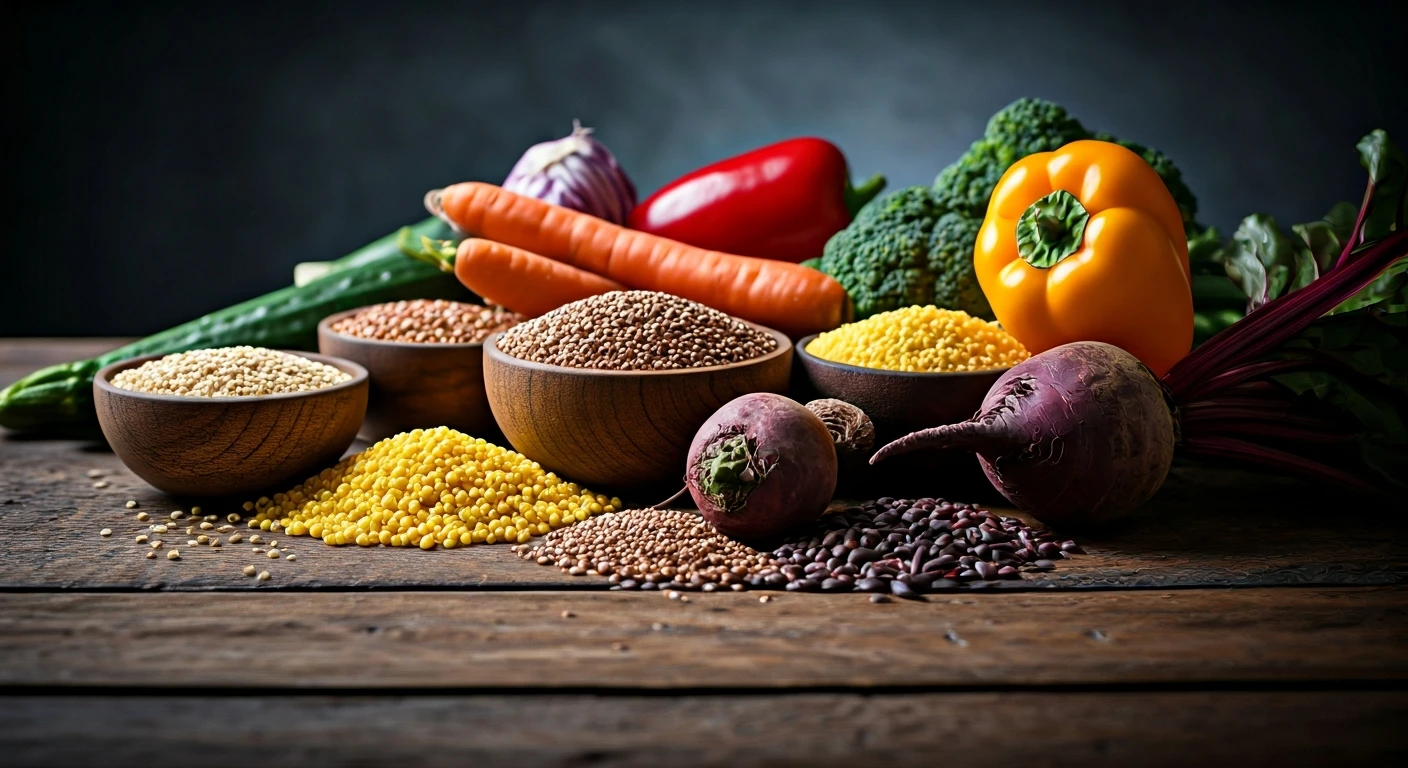
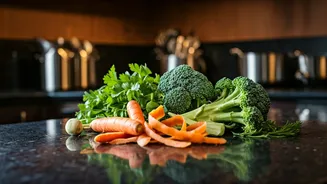
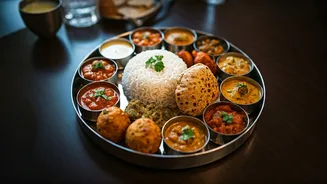
Ultimately, for the diner, this trend is about more than just a feel-good story; it’s about taste. Ingredients grown in nutrient-dense compost are often more flavorful and vibrant than their mass-produced counterparts. A carrot pulled from soil enriched by last season's kitchen scraps has a sweetness and complexity that simply can’t be replicated. Furthermore, the 'root-to-stem' approach challenges chefs to be more creative. When a chef is committed to using the peppery leaves of a radish or the earthy stem of a broccoli floret, they invent new techniques and flavor combinations. This leads to more dynamic, surprising, and delicious dishes. You might find a familiar dal elevated with a pesto made from carrot tops, or a crispy snack crafted from what would have otherwise been thrown away. It transforms sustainability from an abstract concept into a tangible, and delectable, culinary benefit.