




The City as a Royal Stage
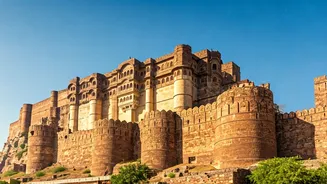
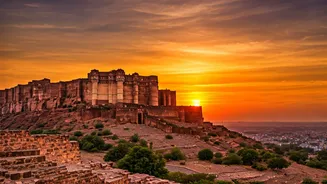
Before you can understand its festivals, you have to understand Jodhpur itself. Dominating the skyline is the magnificent Mehrangarh Fort, a sandstone behemoth perched on a rocky outcrop. For over 500 years, this was the seat of the Rathore dynasty, rulers
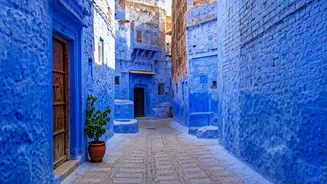
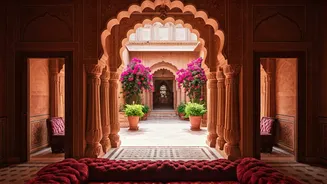
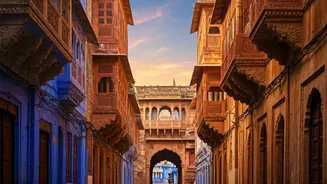
of the kingdom of Marwar. Their legacy of courage, art, and opulence is etched into the very fabric of the city below. The labyrinthine old city is a sea of blue-washed houses, originally a marker for the Brahmin caste but now a defining aesthetic that cools the eye under the desert sun. It’s on this dramatic stage, where royal history feels perpetually present, that Jodhpur’s festivals unfold, transforming ancient courtyards and bustling bazaars into vibrant hubs of cultural expression.
Gangaur: A Spring Symphony of Color
As the harsh Indian winter recedes and the promise of summer hangs in the air, the Gangaur festival brings a wave of color and devotion to Jodhpur’s streets. Celebrated primarily by women in March or April, this festival honors Gauri, a manifestation of the goddess Parvati, as the embodiment of marital bliss and fidelity. It's a visual feast. Processions of women, dressed in their finest, multi-hued lehengas and adorned with traditional jewelry, carry beautifully decorated idols of Gauri through the city's winding lanes. The air fills with folk songs and the scent of marigolds. While rooted in ancient Hindu tradition, the festival feels less like a solemn ritual and more like a joyous community block party, a celebration of womanhood and the changing of the seasons that anyone can appreciate.
Marwar Festival: An Ode to Heroes
If Gangaur is about devotion, the Marwar Festival, held in the autumn month of October, is a direct and powerful homage to Rajasthan’s heroic past. Originally known as the Maand Festival, it's a two-day spectacle dedicated to the folk heroes and warrior kings of the region. Much of the action takes place at the Mehrangarh Fort itself, its stone walls providing a stunning backdrop for performances of traditional music and dance. You’ll hear the haunting melodies of Maand, a classical folk style that tells stories of love and chivalry, and see dancers perform the fiery Ghoomar or the acrobatic Kalbelia. Events like turban tying, camel polo, and moustache competitions add a playful, modern twist, but the core purpose remains: to keep the legends of Rajasthan’s royals alive for a new generation.
The Modern Vibe: History Spills into the Streets
What makes Jodhpur’s festivals so compelling for a modern traveler is that they aren’t confined to palace grounds or temples. The energy spills out everywhere. During festival times, the Sadar Market, with its iconic clock tower, becomes even more chaotic and delightful. The aroma of sizzling mirchi vadas (chili fritters) and sweet makhaniya lassi fills the air. Auto-rickshaws navigate crowds of locals and tourists, all drawn into the collective spirit of celebration. Rooftop cafes, offering stunning views of the fort, buzz with a youthful energy. This is the “summer vibe” of the headline—not just a season, but a feeling. It’s the seamless blend of a sacred procession passing by a trendy boutique, where a thousand years of history meets the pulse of today.