



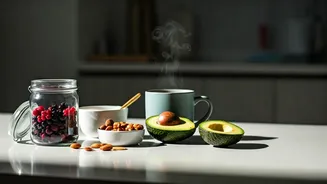
Redefining the Word 'Premium'
For decades, “premium” food meant imported French cheese, a ridiculously expensive bottle of wine, or a steak that cost more than your shoes. It was about exclusivity and, frankly, a high price tag. That definition has been completely rewritten. Today,
'premium' is less about country of origin and more about a set of values. It’s the promise of 'better'—better for your body, better for the planet, or better for the workers who produced it. This new premium is defined by attributes: Is it organic? Is it non-GMO? Is it grass-fed, pasture-raised, or ethically sourced? Does it have a 'clean label' with ingredients you can actually pronounce? These questions, once the domain of health food store devotees, are now being asked by millions of shoppers in the aisles of Walmart and Kroger. The luxury isn't the price; it's the peace of mind that comes with perceived quality and transparency.
The Wellness Wave Hits the Kitchen
A huge driver of this shift is America’s growing obsession with wellness. More than ever, consumers are connecting the dots between what they eat and how they feel. Information (and misinformation) about nutrition is everywhere, from TikTok influencers to mainstream news. This has created a generation of shoppers who are skeptical of processed foods, artificial ingredients, and complex supply chains. They aren’t just buying food; they’re buying into a lifestyle. A carton of plant-based milk isn't just a dairy alternative; it's a statement about health and environmental impact. A bag of fair-trade coffee isn't just for a morning buzz; it’s a vote for ethical business practices. As consumers increasingly view food as a form of self-care and personal expression, the demand for products that align with those values has exploded.
The Great Democratization by Retail
Perhaps the single biggest factor in taking premium mainstream is the role of powerhouse retailers. Companies like Costco, Trader Joe's, and even Aldi have built their empires on a simple premise: offer high-quality goods at accessible prices. Their private-label brands are the engine of this revolution. Costco’s Kirkland Signature, for example, is one of the largest organic brands in the country. You can buy giant tubs of organic almond butter, cases of kombucha, and wild-caught salmon at prices that demolish the old specialty-store model. Similarly, Trader Joe's has mastered the art of making exotic and trendy foods feel affordable and fun. They broke the mold by proving you could sell Mandarin Orange Chicken and organic kale side-by-side. These stores taught an entire generation of shoppers to expect more for their money, effectively raising the baseline for what an everyday grocery run should include.
When Niche Supply Meets Mass Demand
It’s also a simple story of economics. As demand for organic produce, pasture-raised eggs, and craft beer grew from a trickle to a flood, the supply chain had to adapt. Organic farming, once a small-scale, labor-intensive practice, has become more efficient and widespread. The technology behind plant-based meats has advanced at a staggering pace, improving taste and texture while lowering costs. This scaling-up process brings prices down. When only a few thousand people want oat milk, it’s an expensive, niche product. When millions want it, companies like Oatly can build massive factories, streamline production, and get their products into every Starbucks and Target in the nation. The result is that the price gap between the 'conventional' and 'premium' option has narrowed significantly, making the upgrade an easier choice for many households.