
The Revolution Starts with the Dough
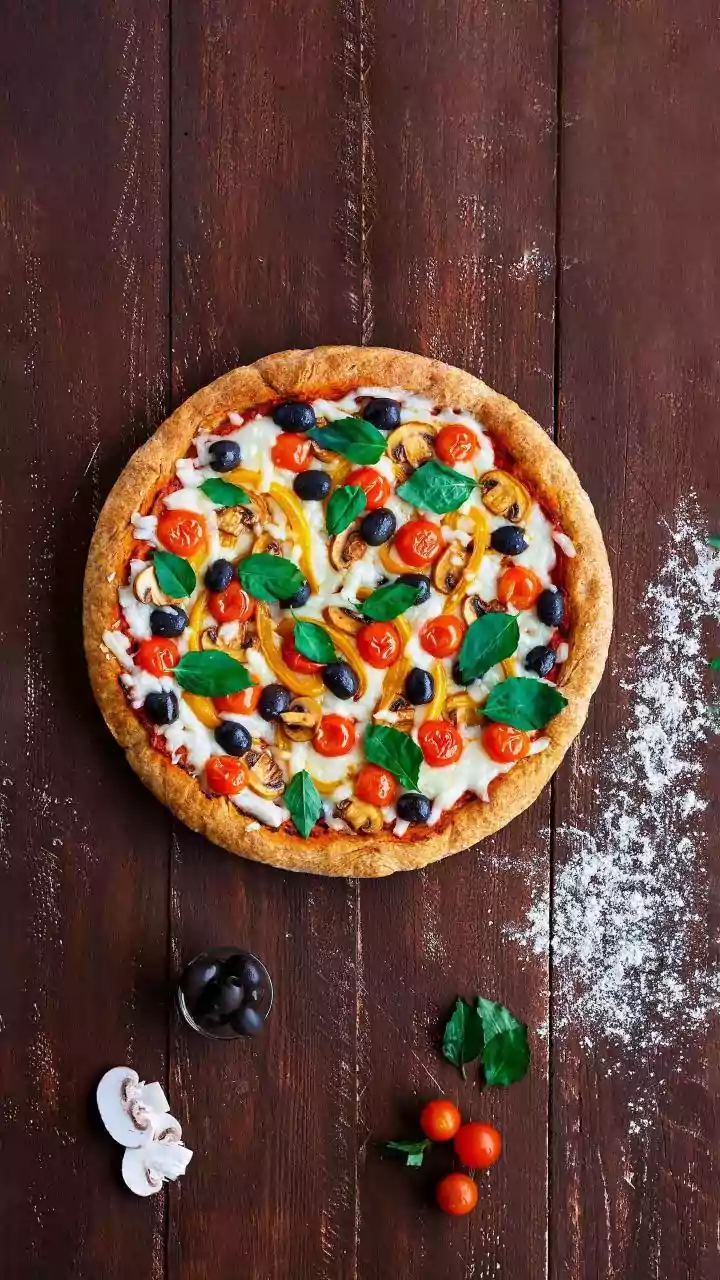
The single greatest shift in American pizza isn't found in a list of zany toppings; it’s in the dough. For decades, the crust was a mere vehicle for cheese and sauce—functional, but forgettable. The artisanal movement puts the crust front and center.
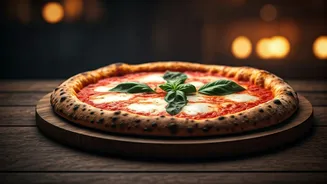
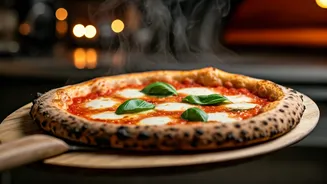
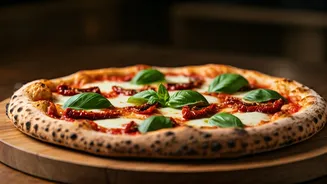
Today’s best pizzerias are run by bakers who obsess over details once reserved for high-end bread. They use slow-fermented doughs, often cultivated for 48 to 72 hours, which develops complex, tangy flavors. Many have ditched commercial yeast for proprietary sourdough starters, or 'mother,' giving each pie a unique character and a light, airy, digestible crumb. This focus on fermentation, coupled with the use of high-protein flours like Italian '00,' creates a crust that is crisp, chewy, and blistered with 'leoparding' from a trip in a ferociously hot oven. It’s not just a base anymore; it's the main event.
It’s a Sourcing Story
Once the foundation was perfected, pizzaiolos turned their attention to what goes on top. The artisanal ethos is all about ingredient-driven cooking. Generic, tinned tomato sauce is replaced by hand-milled San Marzano tomatoes, prized for their low acidity and sweet flavor profile. Low-moisture shredded mozzarella gives way to fresh fior di latte, milky buffalo mozzarella, or creamy burrata added after the bake. Toppings are no longer an afterthought but a curated selection. Think spicy soppressata instead of standard pepperoni, mortadella with a pistachio pesto, or mushrooms foraged from a local forest. The drizzle of 'finishing oil' is now a high-quality extra virgin olive oil. Perhaps the most iconic modern topping, hot honey, perfectly encapsulates the trend: a simple, high-low combination of sweet, spicy, and savory that elevates the entire experience. It’s a testament to the idea that better ingredients make a better pizza.
From Delivery Box to Destination
This culinary evolution has also changed where and how we eat pizza. While the delivery box will always have its place, artisanal pizza has repositioned the pizzeria as a dining destination. These aren't takeout joints; they are restaurants, often with a sleek, minimalist aesthetic and a massive, tiled wood-fired or deck oven as the fiery heart of the room. It’s dinner and a show. The menu is often small and focused, maybe a few appetizers, a handful of pizzas, and a good wine list. It’s a place for a date night or a celebratory meal, not just a Tuesday night convenience. This shift reframes pizza not as a cheap commodity but as a craft worth savoring, on par with a tasting menu or a well-made cocktail.
A Tale of Two Pizzas
The rise of the $25 margherita doesn’t spell the end for the $1 slice or the Domino’s two-for-one deal. Instead, the American pizza market has stratified. There is now a clear distinction between commodity pizza and craft pizza, and that’s a good thing. It shows a maturing of the American palate. We haven’t abandoned our love for the quick, easy, and cheesy, but we have also developed an appreciation for something more. This dual market allows pizza to maintain its status as both a democratic food for the people and a canvas for culinary artistry. You can have your cheap slice on the go and also sit down for a perfectly executed, thoughtfully sourced pie. Pizza now exists on a spectrum, and we, the eaters, are the beneficiaries.