



First, What Is This El Niño Thing Anyway?
Before we get to whether you should reroute that ski trip, let’s quickly break down what’s happening. El Niño (Spanish for “the little boy”) is a naturally occurring climate pattern centered in the tropical Pacific Ocean. Think of it as the ocean running
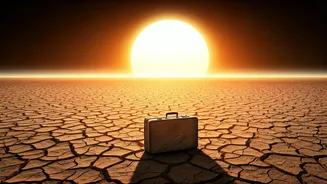
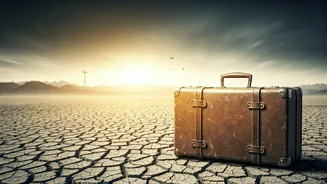
a fever. The surface waters in the central and eastern Pacific get significantly warmer than average. This giant pool of warm water alters atmospheric circulation, essentially scrambling weather patterns across the globe. The result? Places that are normally dry get drenched, while typically wet regions can face drought. It’s not just a weather report; it’s a global atmospheric reshuffle that lasts for months, and for travelers, it’s a crucial new variable.
The Ski Bum’s Dilemma (and Delight)
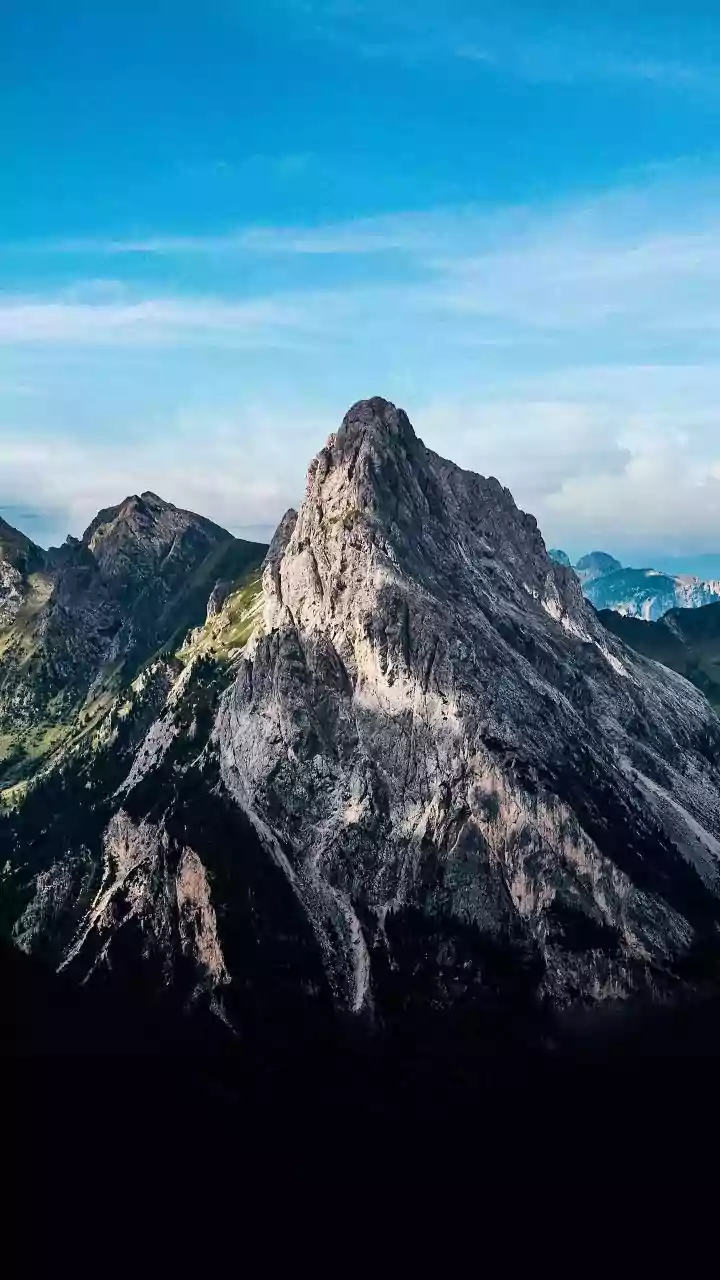
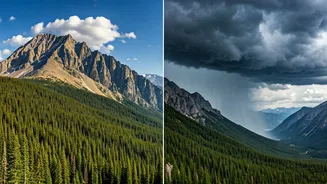
For anyone dreaming of fresh powder, El Niño is a game-changer. The pattern typically redirects the Pacific jet stream southward across the U.S. What does that mean for your ski plans? The southern tier of the country often gets a big boost. Resorts in Southern California (like Mammoth Mountain), Arizona, New Mexico, and even southern Colorado and Utah can see above-average snowfall. It’s the season to look south for deep powder days. Conversely, the Pacific Northwest and the Northern Rockies (think Washington, northern Idaho, and Montana) can experience warmer and drier conditions, leading to a less reliable snowpack. This isn't a guarantee, but if you're booking a big ski trip months in advance, betting on a southern resort is statistically the smarter play during an El Niño year.
Rethinking Your Tropical Beach Getaway
Here’s some counterintuitive good news. If you’re eyeing a fall trip to the Caribbean, Mexico’s Gulf Coast, or Florida, El Niño can be your surprising best friend. The same atmospheric changes that mess with snow also tend to produce stronger wind shear over the Atlantic Ocean. This high-altitude wind acts like a lid, tearing apart developing storms before they can strengthen into major hurricanes. While it doesn't eliminate the risk entirely, El Niño years often correlate with a less active Atlantic hurricane season. This can mean more serene beach days and potentially lower travel insurance premiums. However, the opposite is true for the Pacific. The warmer waters can fuel a more intense hurricane season along Mexico’s Pacific coast, from Cabo to Acapulco, so plan accordingly.
South American Adventures: Plan for Extremes
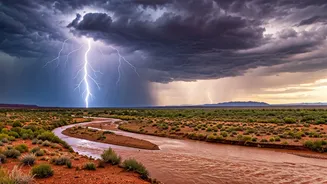
South America is at the epicenter of El Niño’s impacts, and travelers need to be aware. The warmer waters off the coast of Peru and Ecuador can lead to devastatingly heavy rainfall and flooding, which can wash out roads and disrupt travel, especially in coastal and mountainous regions. If you’re planning to hike the Inca Trail, for instance, be prepared for wetter, more challenging conditions. Meanwhile, other parts of the continent experience the opposite effect. Northern Brazil, Colombia, and Venezuela can face severe droughts and higher risks of wildfires, impacting trips to the Amazon rainforest or coffee-growing regions. It’s more important than ever to check local conditions and be prepared for last-minute itinerary changes.
Finding the Silver Lining (and the Bargains)
A savvy traveler sees a variable, not a roadblock. While El Niño introduces uncertainty, it also creates opportunity. Destinations that are historically popular but facing a potentially “off” season due to weather—like a ski resort in the Pacific Northwest—may offer significant discounts on lodging and lift tickets to attract visitors. A typically rainy region enjoying a dry spell could be a hidden gem. The key is flexibility. If you're willing to embrace the unexpected and maybe pack both a swimsuit and a rain jacket, you might find fewer crowds and lower prices. By understanding the forecast, you’re not just avoiding weather-related disasters; you’re positioning yourself to capitalize on the unique travel landscape that El Niño creates.