




The Two Trends That Created a Super-Trend
The buzz around high-protein vegetables didn't appear in a vacuum. It’s the natural result of two massive wellness currents colliding. First, you have the unstoppable rise of plant-based eating. Whether for environmental, ethical, or health reasons, more
Americans are looking to reduce their meat consumption and get more nutrients from plants. Second, there's the ongoing cultural obsession with protein. For decades, it’s been marketed as the key macronutrient for building muscle, staying full, and losing weight. It was only a matter of time before these two movements merged. People who were already eating more plants started asking, “How can I optimize my diet for protein, too?” The answer wasn't just another processed protein bar or a tub of whey powder; it was waiting in the vegetable section all along. This trend represents a shift towards getting our nutrients from whole, unprocessed sources, rather than relying solely on traditional protein staples or supplements.
Let’s Be Real About the Numbers
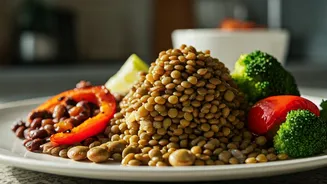
Before you trade your chicken breast for a head of broccoli, a little context is crucial. When we talk about “high-protein vegetables,” the term is relative. These vegetables are high in protein *for a vegetable*. They are not going to compete gram-for-gram with a steak, a can of tuna, or even a cup of lentils. For example, a cup of cooked spinach contains about 5 grams of protein. That’s fantastic for a leafy green, but a single cup of cooked lentils packs around 18 grams, and a 4-ounce chicken breast has over 30 grams. The point isn’t to replace your primary protein sources with vegetables. Instead, the goal is to make every part of your meal work harder for you. By choosing protein-denser vegetables, you’re adding incremental amounts of this vital nutrient—along with fiber, vitamins, and minerals—that add up throughout the day. Think of it as a nutritional bonus, not a complete protein swap.
The Powerhouse Produce Aisle
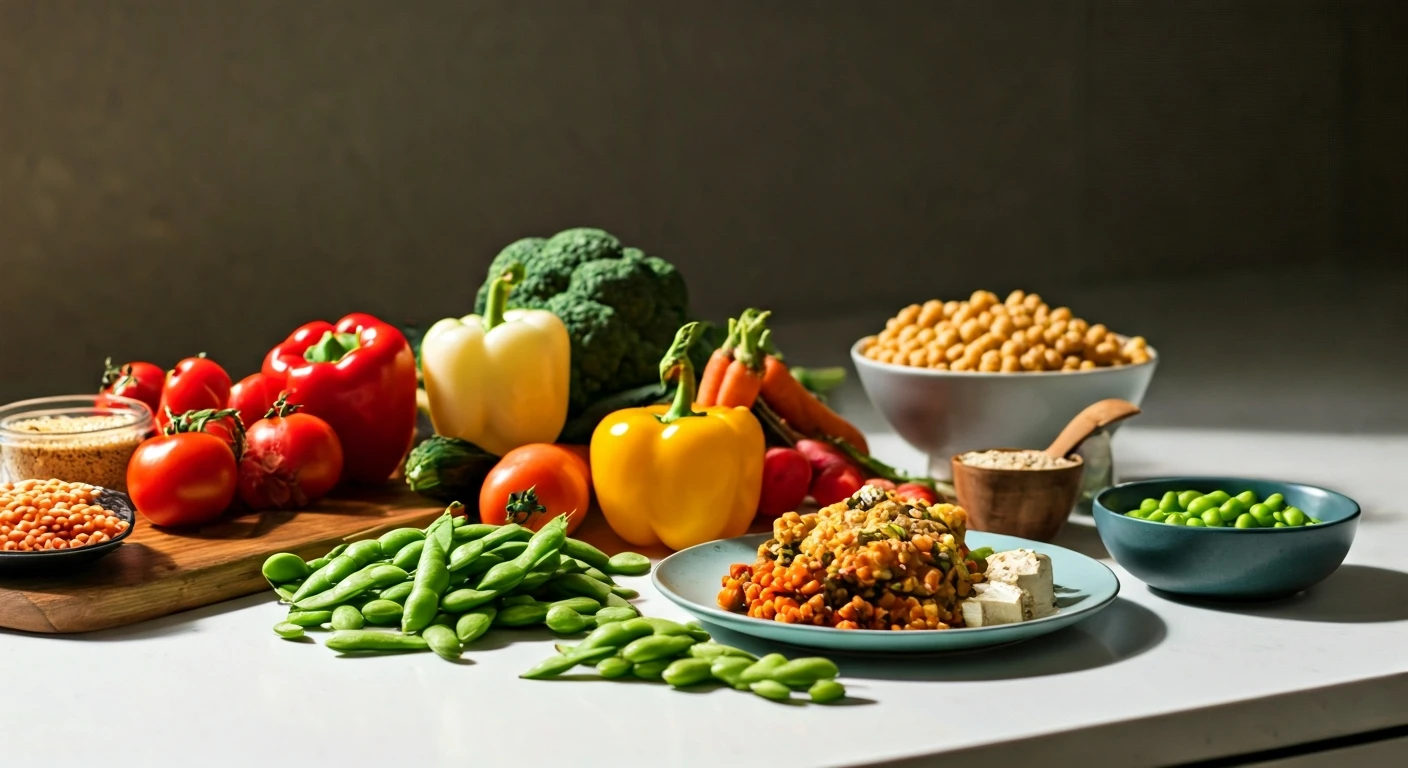
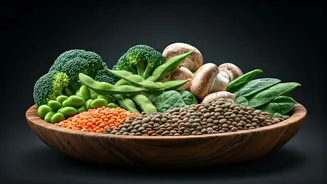
So, which vegetables should you be looking for? Some of the leaders might surprise you. **Edamame:** The undisputed champion. A single cup of shelled edamame delivers a massive 18 grams of protein, making it a true plant-based powerhouse. It's also a complete protein, meaning it contains all nine essential amino acids. **Peas:** Don’t underestimate the humble green pea. A cup of cooked peas contains about 8-9 grams of protein, plus a healthy dose of fiber. They are easy to add to pastas, salads, or just eat as a side. **Spinach & Kale:** When cooked, these leafy greens concentrate their nutrients. A cup of cooked spinach offers about 5 grams of protein, while cooked kale offers around 3-4 grams. They shrink so much that it's easy to eat a lot at once. **Corn:** Often dismissed as a starchy vegetable, a cup of corn has about 5 grams of protein. It's a versatile and affordable way to boost a meal. **Potatoes:** Surprise! A large baked potato (skin on) can contain up to 8 grams of protein. It's also rich in potassium and Vitamin C. The key is to eat the whole thing, skin and all.
More Than Just Protein
Focusing on these vegetables solely for their protein content misses the bigger picture. The real magic of this trend is that it encourages us to eat more nutrient-dense, whole foods. Protein is just one piece of the puzzle. These vegetables are also packed with fiber, which is crucial for digestive health, blood sugar regulation, and feeling full. They are loaded with vitamins, minerals, and antioxidants that protect your body from cellular damage. By building your meals around powerhouse produce, you're getting a complete nutritional package. This approach shifts the focus from isolating a single nutrient (protein) to embracing a pattern of eating that is holistically healthier. The protein is a fantastic co-benefit, but the overall increase in plant consumption is the real win for your long-term health.