
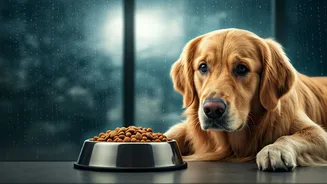
The Hidden Danger of Humidity
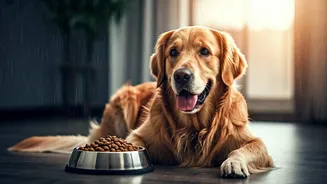
The primary concern for vets during damp, rainy seasons isn't just that your dog might track mud through the house. It's about the air itself. High humidity is the enemy of dry pet food. Most of us buy large bags of kibble to save money, but once that bag is opened,
it’s in a race against moisture. Humid air can slowly seep into kibble, creating a perfect breeding ground for mold. Some of these molds produce dangerous substances called mycotoxins. Aflatoxin, one of the most well-known, can cause liver damage and is potentially fatal. While reputable pet food manufacturers have strict quality controls to prevent mycotoxins in their sealed products, the risk begins the moment you open the bag at home. This isn't a rare, theoretical problem; pet food recalls due to unsafe levels of aflatoxin happen, and poor storage in a humid environment dramatically increases the risk.
Rethink Your Food Storage Strategy
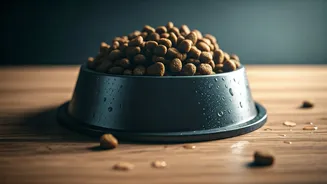
That corner of the garage or damp basement is the worst place to store your pet’s food. Vets recommend keeping it in a cool, dry, and dark place inside your home. The best storage container is often the original bag. These bags are specifically designed with liners to keep out moisture and preserve freshness. Simply roll the top down tightly and use a clip to secure it. If you prefer using a separate container, choose one that is airtight and made of food-grade plastic or stainless steel. A common mistake is to dump a new bag of food on top of the old crumbs at the bottom. This can transfer moisture and potential mold spores to the fresh food. Best practice is to empty the container completely, wash and dry it thoroughly between bags, and consider placing the entire original bag inside the container for double protection.
Adjust Meals for 'Couch Potato' Days
Rainy months often mean fewer long walks, less time at the dog park, and more hours spent snoozing on the couch. This drop in physical activity means your pet is burning fewer calories. Continuing to feed the same portion sizes as you do during more active seasons can lead to gradual but significant weight gain. Obesity in pets is a major health concern, contributing to arthritis, diabetes, and heart problems. Pay attention to your pet's body condition. You should be able to feel their ribs without a thick layer of fat covering them. Consider slightly reducing their daily portion size—even a 10% reduction can make a difference—on days or weeks when their activity level is noticeably lower. Always consult your vet before making a major change to your pet’s diet.
Don't Forget the Bowl
Food safety extends to the dish it’s served in. In a humid home, bacteria and mold can thrive on any surface, including your pet's food and water bowls. A slimy film, known as biofilm, can build up quickly. This biofilm can harbor harmful bacteria like E. coli and Salmonella. It’s crucial to wash your pet’s food and water bowls daily with hot, soapy water. Don't just rinse them out or top them off. A clean bowl is a simple but powerful tool for preventing gastrointestinal upset and other infections, especially when the air is thick with moisture.
Know the Warning Signs
Even with the best precautions, it's important to know the signs of potential trouble. Mycotoxin poisoning can manifest in several ways. Be on the lookout for symptoms like lethargy, loss of appetite, vomiting, diarrhea, yellowish gums or eyes (a sign of jaundice), or uncoordinated movements. These symptoms can indicate a serious problem and warrant an immediate call to your veterinarian. When you call, be prepared to tell them what food your pet eats and describe your storage habits. Catching these issues early is key to a successful recovery. If you ever suspect the food itself is moldy or smells off, throw it out immediately. It's not worth the risk.