



A Post-Pandemic Renaissance
Not long ago, Mumbai’s famously bustling streets were quiet. But in the wake of the pandemic, the city’s restaurant scene has roared back to life with an intensity that has surprised even seasoned observers. This isn't just a recovery; it's a full-blown
renaissance. Investors, seeing pent-up demand and a population eager to socialize, have poured money into the hospitality sector. The result is a near-constant stream of openings, from cozy neighborhood cafes to sprawling, high-concept dining rooms. This phenomenon, dubbed “revenge dining,” has a particular flavor in Mumbai—a city defined by its relentless energy and forward momentum. For Mumbaikars, eating out is not just a luxury but a fundamental part of the social fabric, and they are making up for lost time with a voracious appetite.
From Regional Roots to Global Concepts
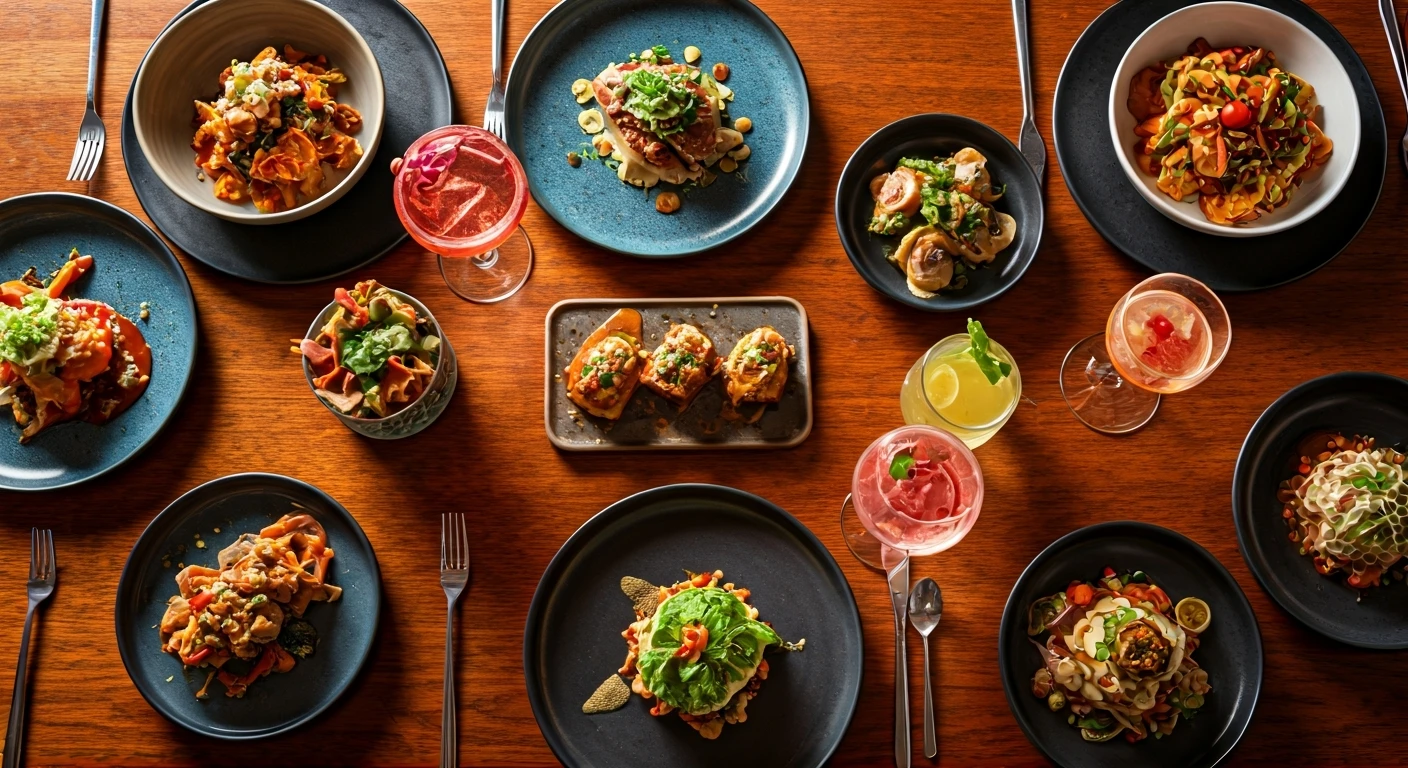
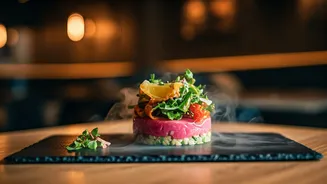
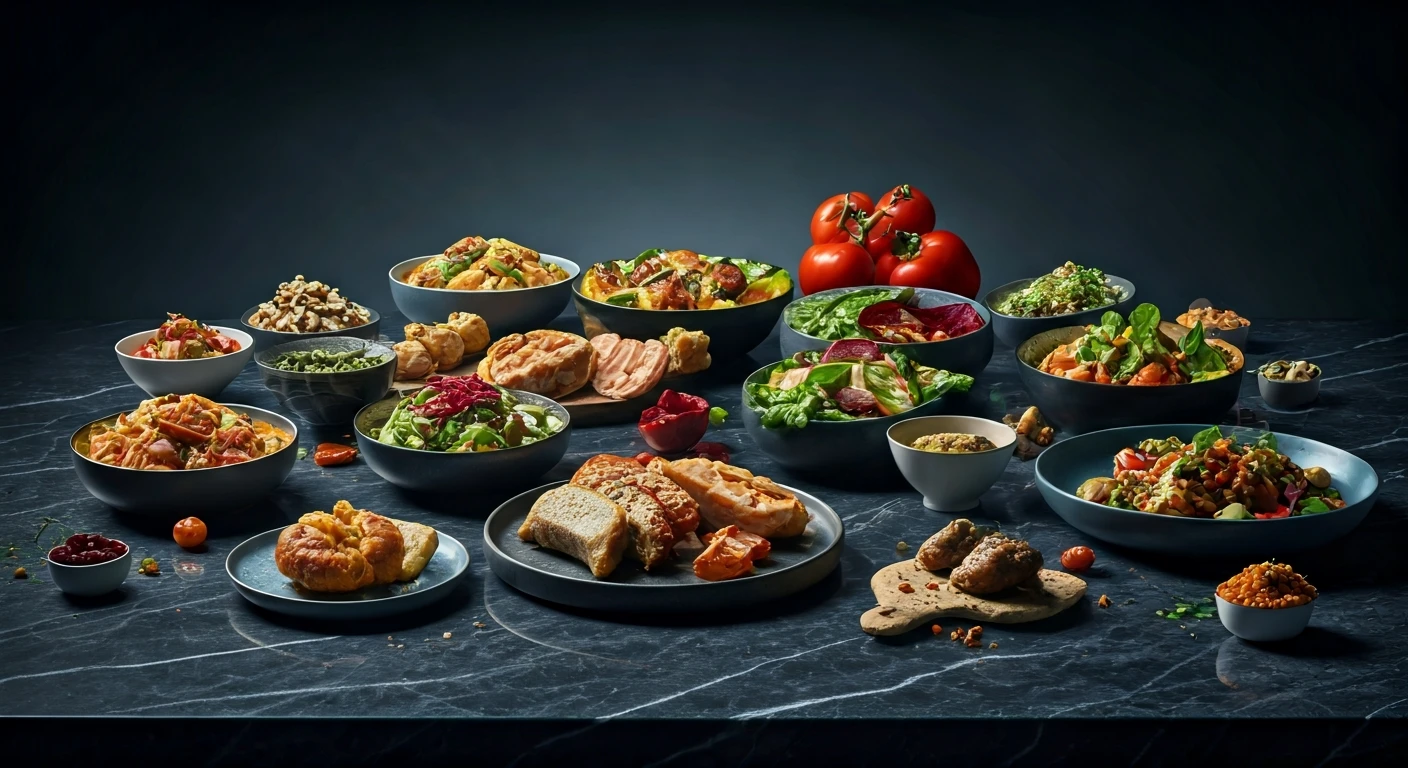
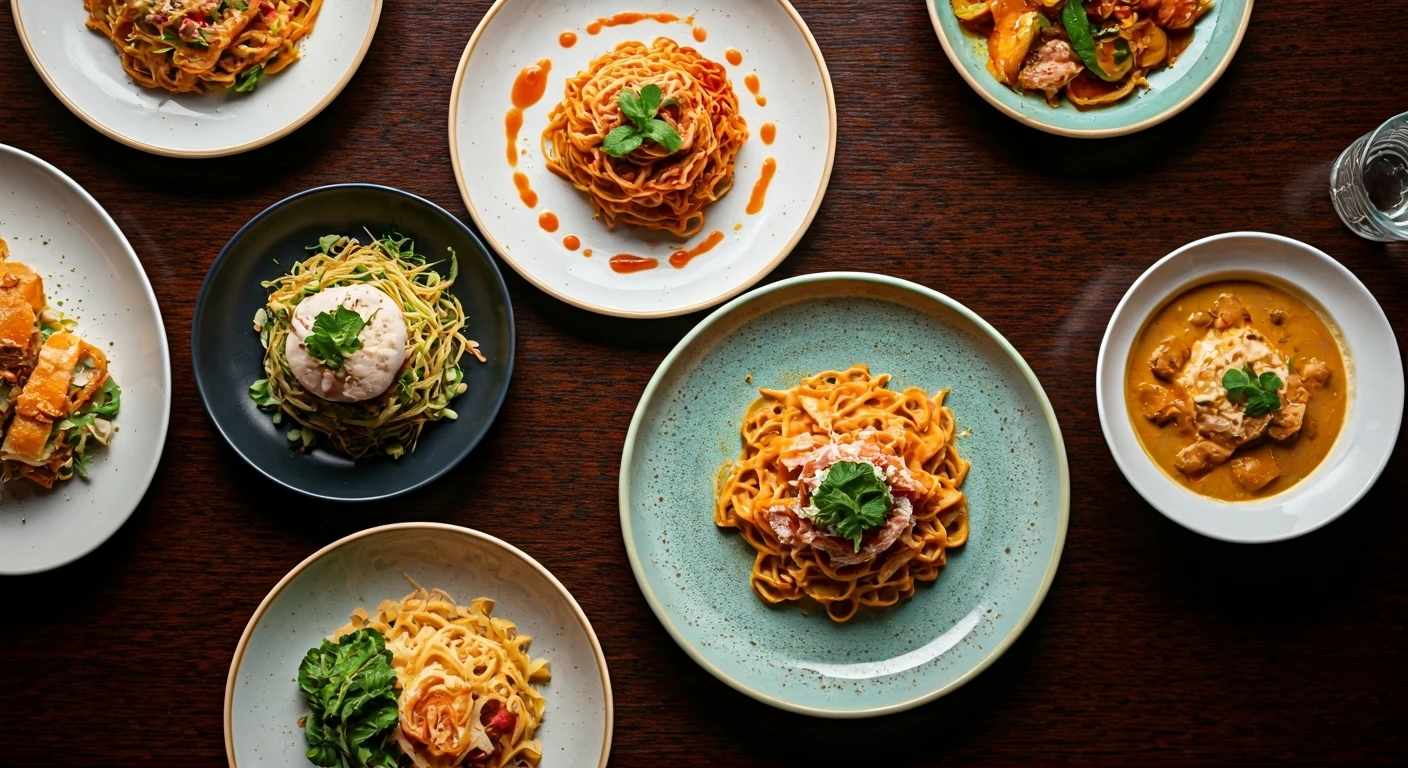
What’s most striking about this boom isn't just the quantity of new establishments, but the quality and diversity. The era of generic multi-cuisine restaurants is fading. In its place is a wave of specialization and ambition. We're seeing a surge in chef-driven restaurants that celebrate India’s vast and varied culinary heritage. Diners can find authentic, elevated dishes from lesser-known regions like Nagaland or Bihar, served in spaces that are as thoughtfully designed as the menus. At the same time, the global palate is more sophisticated than ever. Omakase counters offering whisper-fresh Japanese seafood, buzzy pan-Asian bistros, and authentic Neapolitan pizzerias are no longer novelties but neighborhood staples in affluent areas like Bandra and Colaba. This dual embrace of deep regional roots and global fine dining shows a scene that has truly come of age.
The Paradox of Plenty
Herein lies the problem suggested by the headline. When every week brings a new “must-try” spot, the joy of discovery can curdle into anxiety. For the dedicated foodie, it creates a kind of social and culinary FOMO (Fear Of Missing Out). Did you manage to snag a table at the new Peruvian-Japanese place before it was cool? Have you tried the 12-course tasting menu everyone is talking about? The pressure is immense, and the hype cycle, turbocharged by food bloggers and Instagram, is shorter than ever. This saturation creates challenges for restaurateurs, too. With so much competition, it’s harder to stand out and build a loyal following. A restaurant can be celebrated one month and forgotten the next, leading to a precarious environment where only the most resilient, well-funded, or viral-worthy concepts survive.
Dinner as the New Night Out
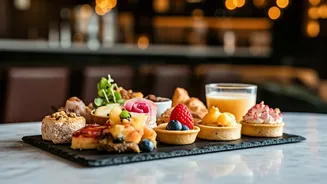
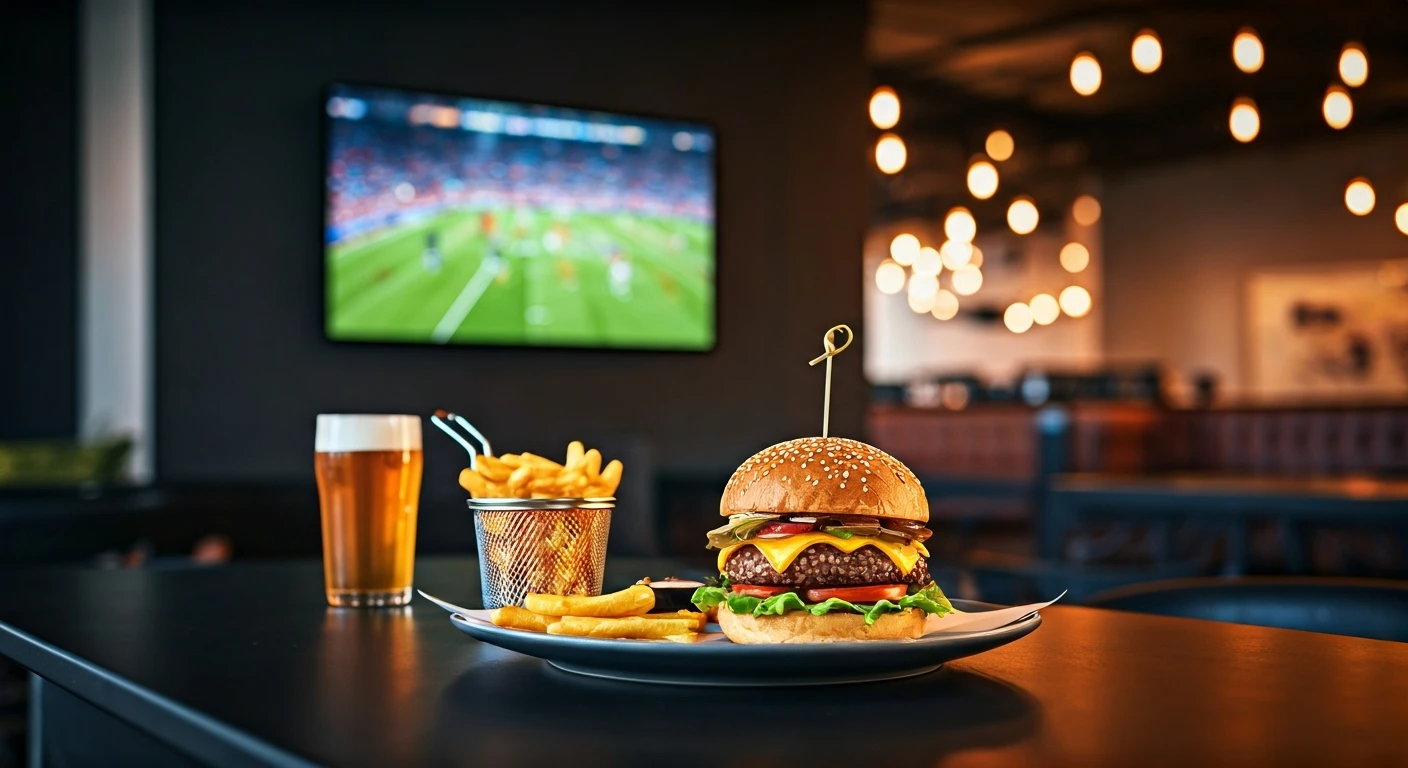
In Mumbai, a city with a complex relationship with nightlife regulations, restaurants have become the de facto entertainment venues. They are not just places to eat but to see and be seen. A great meal is table stakes; the experience is everything. This means meticulously curated playlists, theatrical cocktail presentations, and, above all, an “Instagrammable” aesthetic. The design of the space—from the lighting to the art on the walls—is as crucial as the food on the plate. Dining has become a performance, both for the staff and the patrons. This has turned chefs into celebrities and diners into critics, documenting every course for their online followers. While some lament the loss of simple, unpretentious dining, there’s no denying the energy this creates. It’s a city dining out on its own ambition, and for now, everyone wants a seat at the table.