

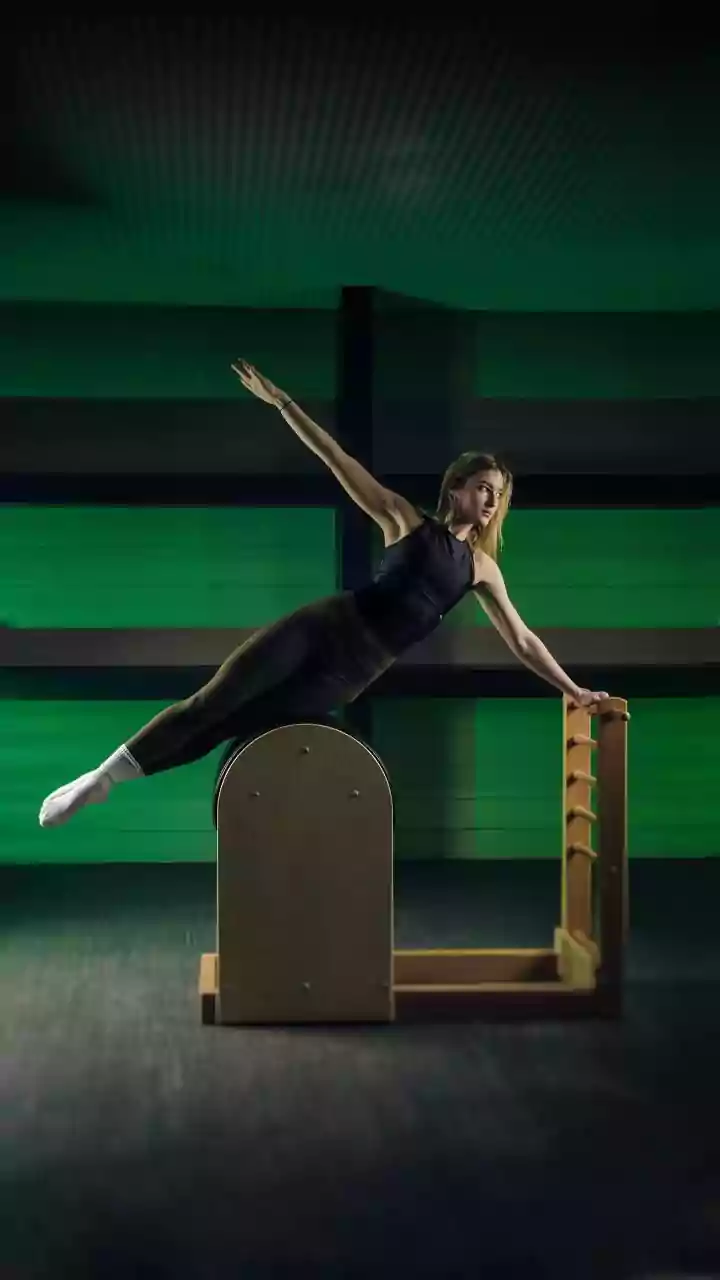





The Death of the 5 p.m. Gym Rush
Remember the pre-pandemic ritual of squeezing into a packed gym after work? Every treadmill occupied, a waiting list for the squat rack, and a yoga class where your mat is practically overlapping your neighbor’s. For freelancers, that chaos is a choice,
not a requirement. The single greatest fitness advantage of a flexible schedule is the ability to sidestep peak hours. A 10 a.m. weightlifting session or a 2 p.m. swim means more space, less waiting, and a far more focused and enjoyable workout. You can use the equipment you want, when you want it. This isn't just a minor convenience; it fundamentally changes the workout experience from a stressful obligation into a peaceful, productive part of the day.
Turning Commute Time into Workout Time
The average American commute hovers around one hour per day, round-trip. That's a significant chunk of life spent in traffic or on a crowded train. For freelancers who work from home, that time is immediately returned to their control. Instead of staring at the bumper in front of you, you can be on a spin bike, rolling out your yoga mat, or heading out for a run in your neighborhood. An extra 30 to 60 minutes each morning or evening creates a substantial, consistent window for exercise that office-bound workers have to fight for. This reclaimed time is one of the most tangible assets of the freelance lifestyle, and dedicating it to physical health offers a massive return on investment for long-term well-being.
The Rise of 'Movement Snacking'
The traditional model of fitness involves a single, hour-long block of intense activity. But modern exercise science suggests that shorter, more frequent bursts of movement—often called “movement snacking”—can be just as effective. This is where freelancers thrive. Stuck on a difficult project? Take a 15-minute break for a brisk walk. Waiting for a client to email back? Do a quick set of push-ups or kettlebell swings. This approach is nearly impossible in a conventional office environment, but it's seamless for a home-based freelancer. By scattering activity throughout the day, you keep your metabolism engaged, your mind fresh, and avoid the negative health effects of sitting for eight hours straight. It reframes exercise as an integrated part of the day, not a separate, monolithic task.
Aligning Workouts with Your Energy
Not everyone is a morning workout person. Some people hit their physical peak in the afternoon, while others prefer to de-stress with an evening session. A rigid work schedule forces you to exercise when you can, not necessarily when you're at your best. Freelancing allows for bio-individuality. You can listen to your body and schedule workouts during your personal high-energy windows. If you feel most powerful at 3 p.m., you can hit the gym then. If a morning run clears your head for a productive day, the option is always there. This autonomy not only leads to better performance and results during the workout itself but also increases the likelihood that you'll stick with the routine because it feels natural, not forced.
Your Kitchen as Your Personal Fuel Station
Fitness isn't just about what happens in the gym; it's profoundly influenced by nutrition. The office lifestyle often leads to hurried, unhealthy choices: catered lunches, vending machine snacks, and takeout dinners after a long commute. Freelancers with a home base have constant access to their own kitchen. This makes it infinitely easier to prepare healthy, whole-food meals that align with fitness goals. You can make a protein-rich smoothie after a workout, prep a balanced lunch without spending a fortune, and control every ingredient that goes into your body. This level of nutritional control is a powerful tool for optimizing recovery, building muscle, and maintaining a healthy body composition, making fitness goals more attainable.