





The New Definition of Luxury
The travel industry is undergoing a quiet revolution. As Americans prioritize wellness more than ever, hotels are pivoting from selling escapism to marketing genuine restoration. The infinity pool and rooftop bar are still there, but the real investment
is happening behind the blackout curtains. The goal is no longer just to provide a bed, but to engineer a perfect night’s rest. This shift has given rise to a new breed of hotel amenity, from on-call “sleep concierges” to entire suites designed to optimize your REM cycle. It’s a calculated response to a growing market: the “sleep economy,” a sector valued in the tens of billions, fueled by a populace desperate to combat the effects of chronic stress and screen time.
The High-Tech Tuck-In
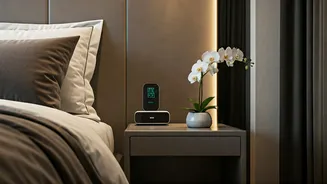
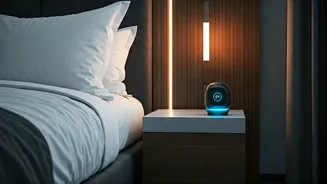
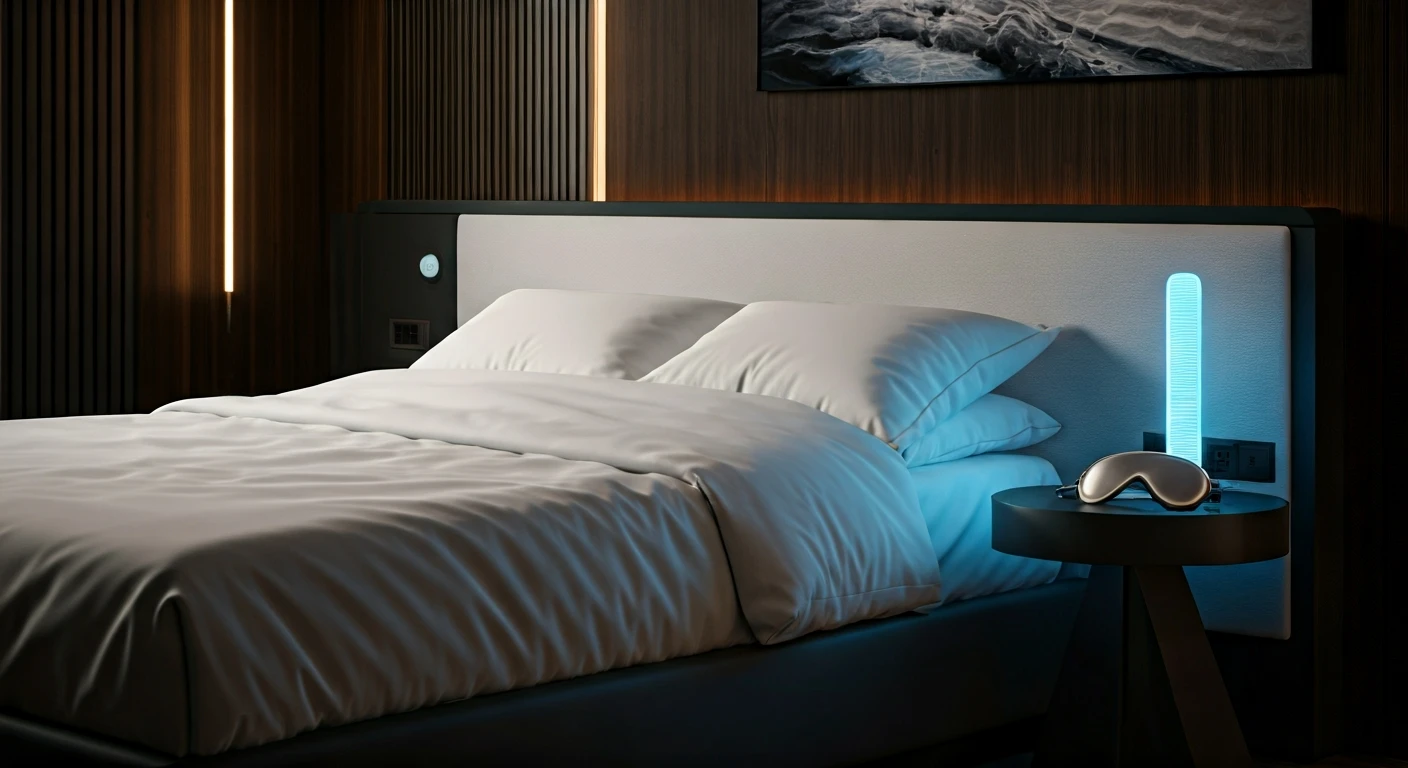
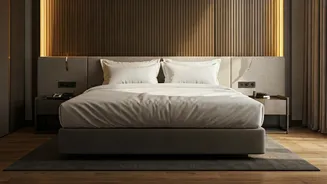
So what does a sleep-focused hotel room actually look like? Forget a simple pillow menu. We're talking about a suite of technologies designed to lull you into a deep slumber. Brands like Park Hyatt and Rosewood are installing AI-powered mattresses, such as the Bryte Restorative Bed, which dynamically adjusts its firmness and temperature throughout the night to match your sleep phases. Circadian lighting systems are becoming more common, designed to mimic natural daylight patterns to help regulate your internal clock, especially after a long flight. Advanced soundproofing, curated white noise machines, and even specialized air purifiers that remove allergens are becoming standard issue in these high-tech havens. It’s a far cry from a simple mint on the pillow; this is a fully managed, data-driven approach to rest.
Beyond Gadgets: A Holistic Approach
While technology is a major component, the most sophisticated sleep programs are taking a more holistic approach. Luxury hotel group Six Senses, for instance, offers multi-day sleep programs developed with medical professionals. Guests receive a sleep tracker and a consultation with a wellness expert who creates a personalized plan. This might include guided meditations, yoga nidra sessions, or specific spa treatments designed to calm the nervous system. The minibar is also getting a makeover. Instead of sugary sodas and whiskey, you might find calming herbal teas, magnesium-rich snacks, and CBD-infused sleep aids. Even the room service menu may feature “sleep-friendly” dishes, low in stimulants and rich in nutrients like tryptophan that promote relaxation. This approach recognizes that good sleep isn't just about a comfortable bed—it's about mind, body, and environment.
Why Now? The Post-Pandemic Awakening
This trend didn’t appear in a vacuum. The collective stress of the last few years has left many Americans feeling frayed and exhausted. The pandemic, in particular, amplified our focus on health and immunity, with sleep being a critical component of both. As a result, travelers are no longer content with vacations that leave them needing a vacation. They are actively seeking experiences that contribute to their well-being. Hotels have recognized that by offering a genuinely restorative stay, they can command premium prices and build fierce loyalty. In a world where a good night’s sleep feels like an unattainable luxury, hotels are positioning themselves as the ultimate providers of this precious commodity. It's a savvy business move that aligns perfectly with the cultural shift towards self-care and tangible wellness outcomes.