





Beyond the Tourist Trail
For decades, the travel script for Delhi has been remarkably consistent. Visitors flock to the grandeur of the Red Fort, wander the serene grounds of Humayun's Tomb, and get lost in the labyrinthine alleys of Chandni Chowk. The city’s identity is steeped
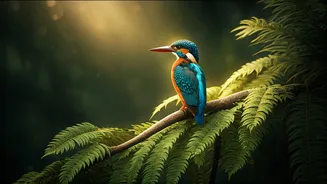
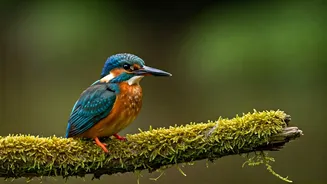
in history, food, and a palpable, high-energy hustle. It’s a place you experience with all senses on high alert. Yet, a burgeoning movement is quietly rewriting this script. A growing community of local and international birdwatchers is bypassing the monuments in favor of wetlands, scrub forests, and biodiversity parks, revealing a side of India's capital that few tourists—or even residents—know exists. They are trading the cacophony of car horns for the distinct calls of parakeets and kingfishers, proving that one of the world's most crowded megacities is also a surprising haven for wildlife.
The City's Hidden Sanctuaries
The magic of Delhi's birding scene lies in its sheer improbability. Tucked behind industrial parks, nestled along the heavily polluted Yamuna River, and preserved in the city's southern ridge are pockets of ecological gold. The Okhla Bird Sanctuary, for instance, is a sprawling wetland that attracts thousands of migratory birds each winter. Here, against a backdrop of distant high-rises, birders can spot Northern Shovelers and Gadwalls from Central Asia swimming alongside resident Sarus Cranes, the world's tallest flying bird. Further north, the Yamuna Biodiversity Park is a testament to successful ecological restoration. A once-barren floodplain has been transformed into a thriving ecosystem of wetlands and forests that now serves as a vital corridor for birds. These sanctuaries aren't just quiet refuges; they are living laboratories where the tension and harmony between urban development and nature play out every day.
A Cast of Feathered Characters
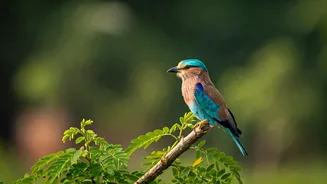
The allure isn’t just the existence of these green spaces, but the astonishing variety of life they hold. Delhi’s avian checklist boasts over 450 species, a number that rivals many entire countries. For a birdwatcher, a day out can feel like a treasure hunt with a constantly changing prize. In the city's leafy Lutyens' Delhi, the flash of a Coppersmith Barbet or the acrobatic display of a Black Drongo is a common sight. In the scrublands of the Asola Bhatti Wildlife Sanctuary, one might find the elusive Sirkeer Malkoha or the brightly colored Indian Paradise Flycatcher, with its impossibly long tail ribboning through the air. During the winter migration, the scene becomes even more spectacular. Bar-headed geese that have flown over the Himalayas descend upon Delhi's wetlands, offering a profound sense of connection to the planet's great natural rhythms, all within the limits of a bustling metropolis.
The New Urban Explorer
The people driving this trend are as diverse as the birds they seek. They are students, tech professionals, retired government officials, and visiting expatriates, all united by a shared passion. Armed with little more than binoculars, a field guide, and a smartphone app like eBird to log their sightings, they form a dedicated community. They lead early-morning walks, share tips on WhatsApp groups, and contribute to citizen science projects that help monitor bird populations. For them, birdwatching is more than a hobby; it’s a form of urban exploration and a meditative practice. It forces a slower, more observant pace, encouraging a connection to the environment that is often lost in the rush of city life. This community provides an accessible entry point for beginners, transforming a solitary activity into a shared experience of discovery.
A Quieter, Greener Perspective
This focus on avitourism is giving Delhi a fresh, compelling travel narrative. It champions a form of tourism that is sustainable, educational, and deeply local. It encourages visitors to see the city not as a collection of sites to be checked off a list, but as a complex, living ecosystem. By seeking out its green lungs, travelers gain a more nuanced understanding of the challenges and triumphs of modern India. This perspective shift is also influencing residents, fostering a greater appreciation for local biodiversity and strengthening the case for conserving these vital urban habitats. It proves that even in the most unexpected places, a rich natural world is waiting to be discovered—if you just know where, and how, to look.