



The New Office Staple
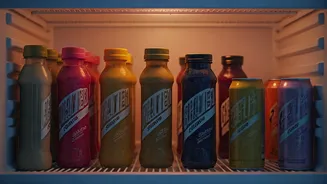
In the gleaming high-rises of Mumbai’s Bandra Kurla Complex and the bustling tech parks of Bengaluru, a quiet revolution is happening in the communal kitchen. Where once you might have found containers of homemade food, you’ll now see rows of sleek, colorful
bottles and Tetra Paks. These aren’t juices or sodas; they are ready-to-drink protein shakes, meal replacements, and plant-based smoothies. Brands like The Whole Truth, Kapiva, and Plix have become the new currency of convenience for a generation of time-poor, health-conscious Indian professionals. The midday hum of the office is no longer just about deadlines and conference calls; it's punctuated by the vigorous shaking of a bottle, a liquid lunch that promises efficiency and nutrition in one gulp.
From Tiffin Boxes to Tetra Paks
This shift is a dramatic departure from tradition. For over a century, Mumbai's office lunch was dominated by the dabbawalas, a famously efficient network of deliverymen who transport hot, home-cooked meals in tiered metal containers called tiffins. This system was a marvel of logistics, ensuring workers received a fresh, familiar taste of home in the middle of a chaotic workday. The tiffin represented a connection to family, tradition, and slow food. The protein shake represents its antithesis: speed, individualism, and global wellness culture. While dabbawalas still operate, their core clientele is changing. The new generation of consultants, coders, and marketers views lunch not as a communal ritual but as a 'fueling opportunity'—a quick pit stop to be optimized before diving back into work.
The Economics of Aspiration
So, what's driving this change? It’s a cocktail of economic growth, urban hustle, and cultural aspiration. India’s burgeoning middle and upper-middle class has more disposable income than ever before, and they are spending it on wellness. In a city like Mumbai, where commutes are long and work hours are longer, convenience is the ultimate luxury. A protein shake that costs ₹200-300 (about $2.50-$3.50) is an affordable, time-saving alternative to either preparing a meal or dealing with food delivery apps. But it's also a status symbol. Carrying a trendy, direct-to-consumer (D2C) wellness brand signals that you are modern, health-conscious, and in control—a key part of the personal brand for ambitious young professionals navigating India's competitive corporate landscape.
India's Booming Wellness Market
This fridge takeover is the visible edge of a massive commercial boom. India's health and wellness market is exploding, with the protein supplement category leading the charge. Foreign brands like Optimum Nutrition and Myprotein once dominated, but a new wave of Indian D2C startups has cracked the code. They offer products tailored to local tastes—think Mango Lassi or Kesar Badam (saffron-almond) flavored protein—and market them brilliantly on social media platforms like Instagram. They speak the language of 'clean eating,' 'no added sugar,' and 'plant-based,' tapping directly into global wellness narratives while giving them a distinctly Indian twist. This has created a hyper-competitive market where grabbing fridge space is as important as capturing online mindshare.
A Global Trend with Local Flavor
In many ways, this story isn't unique to India. American and European offices have long been familiar with the 'sad desk lunch,' the rise of meal replacements like Soylent, and the omnipresent wellness smoothie. What makes the Mumbai story so compelling is the speed of the transition and the cultural weight of what is being replaced. The protein shake isn't just displacing a sandwich; it’s displacing the multi-generational tradition of the home-cooked tiffin. It represents a fundamental rewiring of the relationship between work, food, and home. It's a small, plastic bottle that contains a much bigger story about ambition, globalization, and the relentless pace of modern life in one of the world's most dynamic cities.