




The Rise of the Urban Box
Walk through any major Indian metropolis, and you’ll see the architectural story of a nation in hyper-drive. The traditional, sprawling family home—often built around a central, open-air courtyard or *aangan*—is being replaced by vertical towers of concrete
and glass. These apartments are symbols of economic aspiration and modern convenience, offering security, amenities, and breathtaking views. Yet, for all their sleekness, they can also feel sterile and disconnected from the earth. The very materials, the sealed windows, and the uniform layouts can create a sense of artificiality, a space that could be anywhere in the world rather than distinctly Indian. This feeling is compounded by the loss of direct access to nature—the scent of rain on soil, the shade of a mango tree, the daily ritual of tending to a garden—that was once an integral part of domestic life for millions.
Reclaiming the Courtyard, Pot by Pot
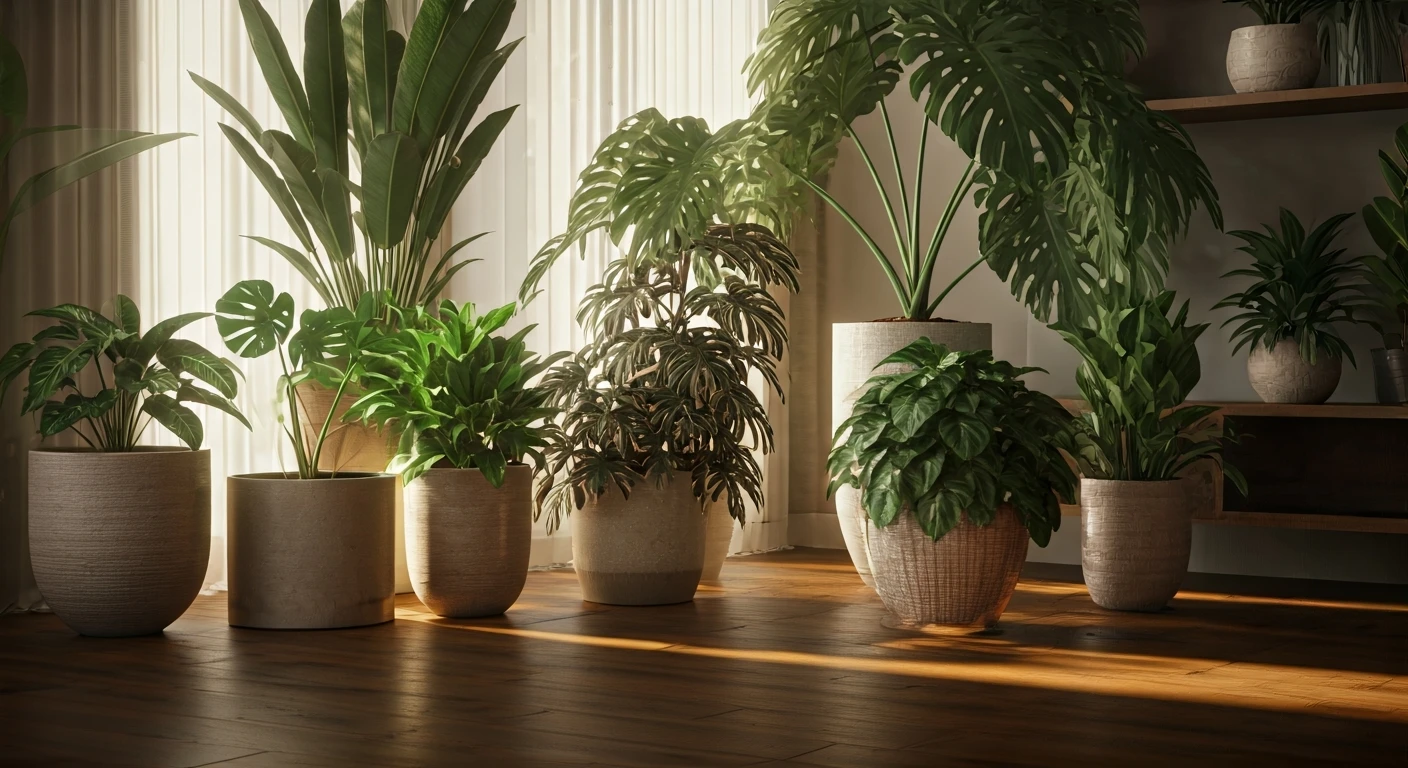
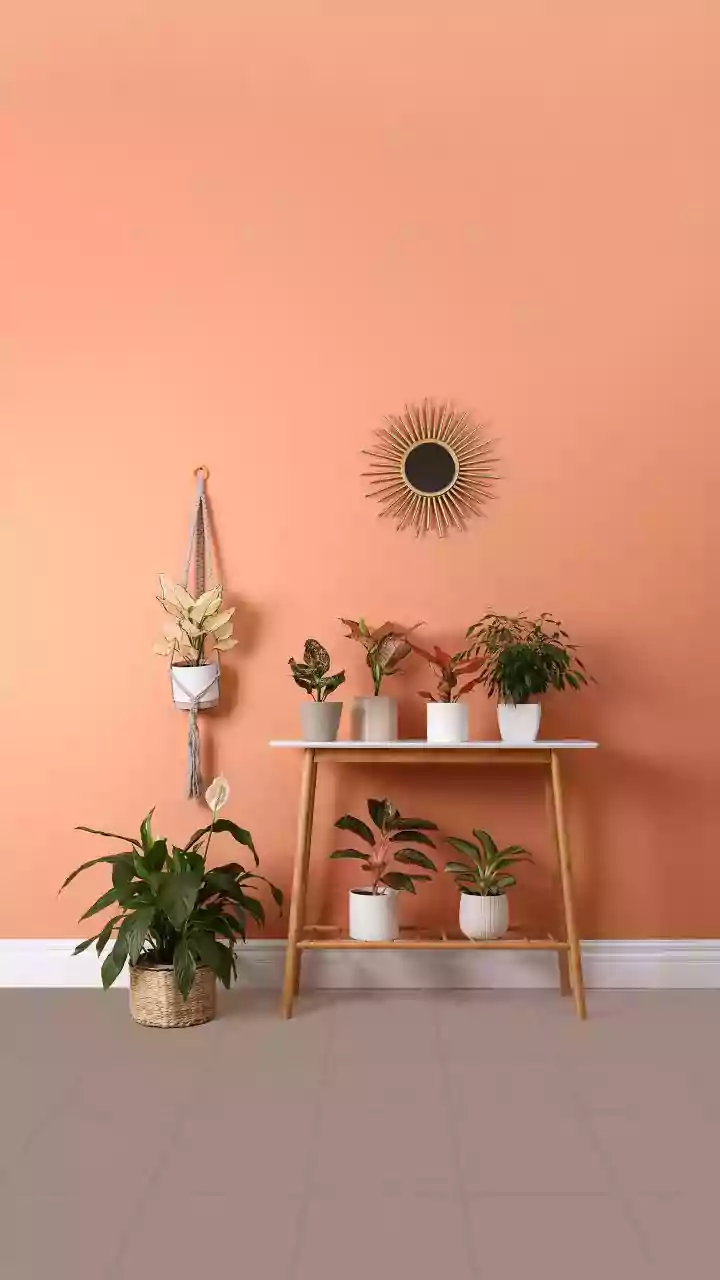
The houseplant boom in urban India isn't just about aesthetics; it’s a deeply felt response to this architectural and emotional shift. For many, a balcony overflowing with potted plants or a living room corner transformed into a miniature jungle is a way to reclaim a piece of that lost natural world. It’s a modern reinterpretation of the *aangan*. That traditional courtyard was the heart of the home, a multi-functional space for socializing, chores, and quiet contemplation, always bridging the gap between indoors and outdoors. Today's urbanites are recreating that bridge on a smaller scale. A collection of terracotta pots holding marigolds, jasmine, or even just hardy snake plants becomes a psychological anchor, a living, breathing element in an otherwise static environment. It’s a nod to a more organic way of life that feels increasingly distant but is still deeply embedded in the cultural memory.
Biophilia with an Indian Soul
While the global wellness trend of biophilia—the idea that humans have an innate need to connect with nature—is certainly at play, the movement in India has its own unique flavor. It’s not just about adding a fiddle-leaf fig for a design magazine look. Certain plants carry deep cultural and spiritual significance. A Tulsi (Holy Basil) plant, for instance, is a common sight on balconies and near entrances, revered in Hinduism and considered a sacred, protective presence in the home. Similarly, money plants are ubiquitous, believed to bring good fortune and prosperity. This blend of modern wellness concepts and age-old traditions makes the trend particularly potent. The act of caring for plants—watering them, watching them grow, fighting off pests—provides a tangible, rewarding routine that counters the digital saturation and abstract pressures of modern professional life. It’s a form of mindfulness that feels both ancient and utterly contemporary.
A Generational Response to Change
This green wave is being led by Indian millennials and Gen Z, a generation that has grown up amidst unprecedented urbanization and technological change. They are digitally connected, globally aware, and fluent in the visual language of social media, where #UrbanJungle and #PlantParenthood are global phenomena. They see the lush, plant-filled apartments of creators in New York or London and feel a kinship. Yet, their motivation is often more specific. They are navigating the tension between their parents' more nature-integrated upbringing and their own reality in crowded, polluted cities. For them, cultivating a home filled with greenery is an act of environmentalism, self-care, and identity-building. It’s a way to assert control over their immediate environment and to craft a personal sanctuary that feels authentic, alive, and rooted in something real—even if it's just in a small pot on a windowsill, twenty stories high.