
Beyond the Throwback Aesthetic
For years, fashion was dominated by a top-down model. Runways dictated trends, fast-fashion giants churned out cheap replicas, and everyone ended up wearing a variation of the same thing. The recent explosion of vintage and secondhand clothing represents
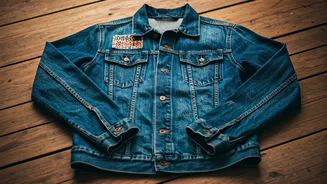
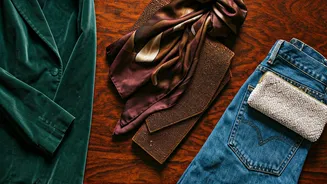
a fundamental rebellion against that uniformity. It’s a conscious move away from the disposable nature of fast fashion and toward something with more substance. This isn't just about dressing like a character from a '90s sitcom. It's about curation. Today’s vintage enthusiast isn't passively accepting a trend; they are actively hunting for pieces that resonate with them. They are building a wardrobe that no one else can replicate, piece by unique piece. In an era where algorithms predict our every move, choosing a weathered leather jacket from the 1980s or a perfectly worn-in pair of Levi's feels like an act of individual agency. It's a declaration that personal style can't be found in a shopping cart with ten identical items.
Every Garment Tells a Story
The core of vintage's appeal lies in its inherent narrative. A mass-produced sweater from a mall has no story beyond its factory origin. A vintage Aran knit, however, carries the faint echo of its past. Who wore it? Where has it been? This sense of history imbues the clothing with a soul that new items lack. It becomes a collaboration between the past owner and the new one. When you wear a vintage piece, you aren't just wearing fabric; you're adopting a fragment of a story and adding your own chapter.
This desire for narrative is a response to our hyper-digital, often sterile, modern lives. We curate our online personas with meticulous care, so it’s only natural that we’d want our physical presence to be just as unique and interesting. A vintage find is the ultimate conversation starter, both externally and internally. It’s an instant signifier of taste, patience, and an appreciation for things that last. It says, “I didn’t just buy this; I discovered it.”
Sustainability as a Style Statement
It’s impossible to talk about the rise of vintage without talking about sustainability. As awareness grows around the staggering environmental and human cost of fast fashion—from water pollution to textile waste—consumers, particularly Gen Z and millennials, are increasingly seeking ethical alternatives. Buying secondhand is one of the most accessible and impactful ways to opt out of this destructive cycle.
But what makes this movement different is that sustainability is no longer just a virtuous, behind-the-scenes choice; it has become a key part of the aesthetic itself. Flaunting a thrifted find is a badge of honor. It signals not only good taste but also good values. This alignment of ethics and aesthetics makes choosing vintage feel deeply personal and affirming. It’s a way of wearing your principles, proving that looking good and doing good don't have to be mutually exclusive. The act of shopping becomes an expression of identity in more ways than one.
The Digital Thrift Store
Ironically, technology has been the single biggest catalyst for this old-school trend. In the past, finding good vintage required hours of sifting through dusty racks in dimly lit thrift stores. Now, platforms like Depop, Poshmark, The RealReal, and even Instagram have transformed the treasure hunt into a global, digital-first experience. Sellers curate their shops like high-fashion boutiques, and algorithms help buyers find that one-of-a-kind ‘70s prairie dress or ‘90s skate tee from anywhere in the world.
Social media platforms, especially TikTok and Instagram, have turned styling vintage into a form of content. “Thrift hauls” and “get ready with me” videos provide endless inspiration, demystifying the process of integrating older pieces into a modern wardrobe. This digital ecosystem has made vintage more accessible, more desirable, and more communal than ever before, creating a feedback loop where online discovery drives real-world style.